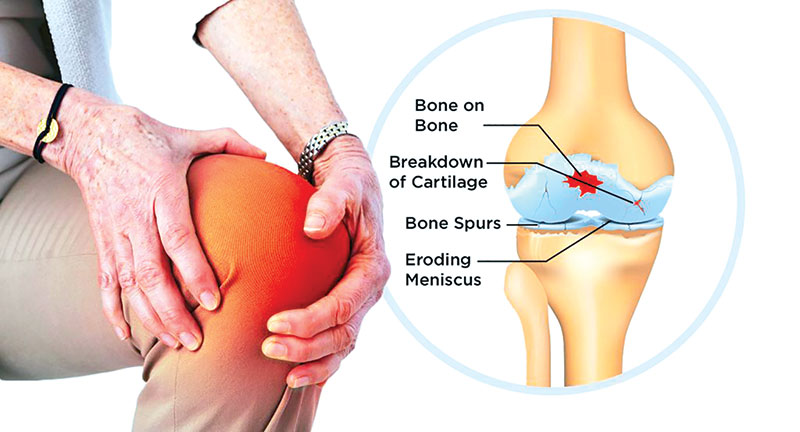
Osteoarthritis is a very common problem of elderly population worldwide. It commonly affects knee, hip and joints of hands and foot. Osteoarthritis of knee usually causes knee pain and stiffness of knee but sometimes it may leads to severe disability and loss of quality of life particularly in elderly. With progressive understanding of pathology of osteoarthritis there is perception that the process is not purely mechanical and or due to aging process. There are some precipitating factors which aggravate the onset and progress of the disease. The risk factors such as hereditary mutation, gender, age, trauma, excessive use diet and some diseases.
Although elderly people usually suffer from osteoarthritis, young people can also get it too. For some individual it may be hereditary and others can get it from previous injury or infection. Even overweight might be the cause of early osteoarthritis.
Aetiology of Osteoarthritis:
Almost everyone will eventually develop some degree of osteoarthritis in later decades of life but the predisposing factors increases the risk of

developing arthritis and also the severity of the disease.
Age: Osteoarthritis is directly connected to wear and tear on joints. More than one third of adults over the age of 65 have symptoms os osteoarthritis (OA). The ability of cartilage to heal decreases as the persons get older.
Body Weight: Weight increases the pressure on all joints specially the knees. Every pound increase in weight add a 3 to 4 pound extra weight on knee.
Hereditary: This includes genetic mutations that make a person more likely to develop osteoarthritis. It may be due to inherited abnormalities in the shape of the bone that surrounds the joints.
Gender: Women in age 55 years and older are more likely than men to develop osteoarthritis.
Repetitive Stress Injuries: People with jobs that needs lot of stress on joints such as kneeling , squatting or lifting heavy weights ( <55 pounds) are more likely to develop osteoarthritis because of constant pressure on joints.
Sports Injury: Athletes involved in soccer, tennis or long distance running may be at higher risk of developing osteoarthritis of knee in later life.
Other Diseases: People with rheumatoid arthritis are more likely to develop osteoarthritis. People with certain metabolic disorders such as an iron overload or excess growth hormone are at a higher risk of osteoarthritis.
Prevention: A number of life style factors act as risk factors for developing osteoarthritis. Certain life style changes can help to improve joint health and prevent development of osteoarthritis.
1. Exercises: Regular moderate exercise strengthens joints and can decrease the risk of osteoarthritis. In fact weak muscles around a joint can predisposes to osteoarthritis. Low impact exercise can improve joint health. Activities that include strength training and stretching can slow down and prevent osteoarthritis. Benefit of exercise:
a. Maintain healthy joint
b. Relieves stiffness of joints
c. Reduce pain and fatigue
d. Increases muscle and bone strength.
2. Healthy Weight: Excess weight is one of the biggest risk factors of osteoarthritis (OA). It puts extra stress on joints, which can speed the deterioration of joint cartilage. Losing weight also help to reduce pain and improve symptoms.
3. Adequate Rest: Exercise can help people to develop healthy joints and muscles but overuse of joints can increase the risk of OA. The key is balance. If after a prolonged sitting , journey or work, the joints involved become swollen or achy , rest them and try to avoid using a swollen joint for at least 12-24 hours which will reduce the risk of developing OA in future. In addition people with OA, fatigue can increases joint pain. Enough sleep every night is helpful to prevent such fatigue.
Control Blood Sugar: Diabetes may be a significant risk factor for developing severity of OA. High glucose level can speed up the formation of molecules that make cartilage stiff, it also trigger inflammation that can accelerate cartilage damage. Keeping the diabetes under control can help to prevent OA.
Food Habit: Type of food choosen in daily diet menu plays a significant role in producing symptom in patient suffering from arthritis. When food heated in very high temperature, grilled or even pasteurized a toxin known as advanced glycation end product appears which can damage certain protein enhancing damage to the tissue.
Excessive salt intake might result in inflammation of joints and reducing salt intake to modest amount can be helpful , likely instead of getting most of body's daily required amount of protein from meat and dairy than to get it from vegetable like spinach, nut butters , beans , lentils, quinoa might reduce the joint pain and stiffness.