



| HEADLINE |

|
The new ‘home order’
Published : Monday, 20 July, 2020 at 12:00 AM
Shahriar Feroze


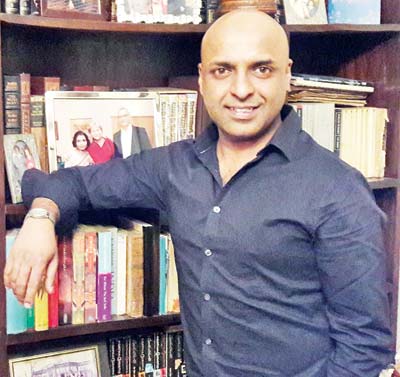 The third wave of monsoon showers for the day has just set in. The couple of vegetable vendors standing right across the street are in a rush to move their barrow quick, the lone exception being the banana vendor, for he has an umbrella fixed on top of him. And this writer is just about to finish giving final touches to the editorial for tomorrow. My mobile phone vibrates all of a sudden, and it's one of my editorial assistants seeking an approval. Having given my approval for an opinion piece for tomorrow, I hang up.
 Such out-of-office calls are not a new thing for me. In fact, when much of the world had been somewhat forced to embrace the work and study from home as a standard routine under the new normal, our editorial team had become accustomed to it ages ago. It happens quite frequently when we go to office, merely for the sake of assisting the makeup team with design layout if nothing more.
But most other professions, namely the manufacturing sector besides schools and colleges do not operate as us. Thus, physical presence is a must for millions of workers and students. So how is the work from home method changing our homes?
Many of my friends and colleagues have complained over the past three months that their privacy has vanished in the air. They have become compelled to spend lengthy hours in front of their desktops and laptops. They have become busier talking on mobile phones. And most importantly, there is no pleasure time since business has now blended with pleasure.
The unexpected and uncalled for reality of operating from home hints at a completely different future of our workplace and working habits. Let's restrict the scenario within Bangladesh.
The Corona - curse has come to stay with us and leave no time soon. And before a tried and tested vaccine becomes widely available at a cheaper cost, more and more people are likely to get connected from working and studying from home. Millions more internet gadgetry devices are about to be sold countrywide triggering a new mental order based on online functioning. That said - the typical corporate culture and many of our students are fast becoming habituated to a system completely depended on virtual reality.
Good news for the corporate sector is that its stakeholders will now have to invest more on how to draw clients and profits online. A new breed of online service providers has already entered the market. And the bad news waits for the real estate sector when corporate houses and banks will think a million times before hiring and procuring large swathes of glitzy office floors. The question is rather simple, what's the need for an office space for 50 people, if one can make 30 of those working from home? The same stands out for schools, colleges and universities.

The point in case, the growing trend of working or studying from home is likely to reshape the mindset of an individual completely in the days ahead. It would not only isolate employees from physical contact and socialising, the trend would eventually dictate our private and public lives. It's already happening.
It will not be surprising to see, if the global job market takes a dramatic shift anytime tomorrow creating millions of work- from - home opportunities, freelancers in particular will have a field day when it happens. However, coming back to the point I had made earlier on how our homes are increasingly losing their original character.
With diminishing privacy and time, it is least likely that homes will become sweeter with the physical presence of all. Please keep in mind, familiarity breeds contempt and following excessive familiarity, our homes can well turn into hell. It will be challenging to maintain a balance between professional and private life at home. When one is done with office, he is usually planning a safe return to home and privacy, but what if there is none? In that case most of us have become accustomed to shift from one day to another, hoping for the better.
The writer is Assistant Editor, News &
Editorial, The Daily Observer
Loading...
Loading...
Also read






Editor : Iqbal Sobhan Chowdhury
Published by the Editor on behalf of the Observer Ltd. from Globe Printers, 24/A, New Eskaton Road, Ramna, Dhaka.
Editorial, News and Commercial Offices : Aziz Bhaban (2nd floor), 93, Motijheel C/A, Dhaka-1000.
Phone: PABX- 41053001-06; Advertisement: 41053012; 01793317829, 01550707291, E-mail: [email protected], [email protected] Online: email: [email protected] 41053014; 01550707297 Advertisement: 01550707296
Published by the Editor on behalf of the Observer Ltd. from Globe Printers, 24/A, New Eskaton Road, Ramna, Dhaka.
Editorial, News and Commercial Offices : Aziz Bhaban (2nd floor), 93, Motijheel C/A, Dhaka-1000.
Phone: PABX- 41053001-06; Advertisement: 41053012; 01793317829, 01550707291, E-mail: [email protected], [email protected] Online: email: [email protected] 41053014; 01550707297 Advertisement: 01550707296


