



| HEADLINE |

|
All you need to know about paying Fitra
Published : Wednesday, 12 March, 2025 at 7:07 PM
Shakib Ahmed


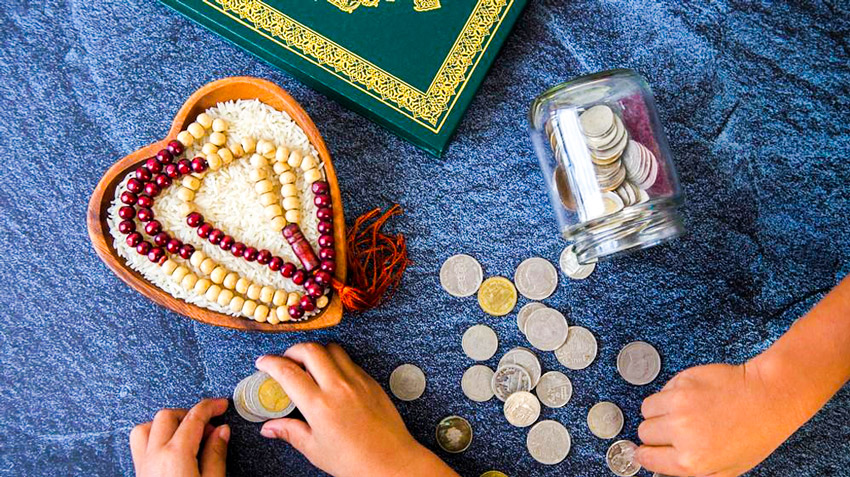
The term "Sadaqatul Fitr," derived from Arabic, refers to the charity given on the day of Eid ul-Fitr. It is also known as Zakatul Fitr or simply Fitra. This act of charity is obligatory (Wajib) for every Muslim, as mandated by the Prophet Muhammad (peace be upon him).
Abdullah ibn Umar (may Allah be pleased with him) narrated that the Prophet (peace be upon him) made it compulsory for every Muslim, whether free or enslaved, male or female, young or old, to give one Saa (approximately 3 kilograms and 270 grams) of dates or barley as Fitra. He also instructed that it should be paid before heading to the Eid prayer (Sahih Bukhari, Hadith: 1503).
Why Fitra is Given:
Fitra serves several important purposes, including:
1. Encouraging kindness and generosity towards the poor, ensuring they do not have to beg on the day of Eid.
2. Promoting a culture of empathy and solidarity within the community.
3. Purifying the fasting person from any shortcomings or mistakes committed during Ramadan.
4. Expressing gratitude to Allah for the blessings of Ramadan and the ability to fast.
Who is Obligated to Pay Fitra?
Fitra is obligatory on those who possess wealth equal to or exceeding the Nisab (minimum threshold) of Zakat. This includes owning 52.5 tolas of silver, 7.5 tolas of gold, or an equivalent amount of cash or surplus necessities at the time of Fajr on Eid day. The head of the household is responsible for paying Fitra not only for themselves but also for their dependents. Unlike Zakat, Fitra does not require the wealth to be held for a full lunar year (Fathul Qadir: 2/281).
Items and Quantity for Fitra:
During the time of the Prophet (peace be upon him), Fitra was paid using four primary items: dates, raisins, barley, and cheese. Abu Saeed Khudri (may Allah be pleased with him) reported that they used to give one Saa of food, such as barley, dates, cheese, or raisins, as Sadaqatul Fitr (Bukhari: 1506).
In modern times, the value of these items can be calculated and paid in cash. The Islamic Foundation, for instance, determines the minimum amount of Fitra based on the price of half a Saa of wheat, which is the cheapest among the prescribed items. This year, the minimum Fitra amount has been set at 110 Taka, while the maximum is 2,805 Taka. However, it is recommended for those who are financially capable to pay more, as the primary goal of Fitra is to support the poor and fulfill their needs.
When to Pay Fitra:
The best time to pay Fitra is before attending the Eid ul-Fitr prayer. However, it can also be paid during the month of Ramadan. Paying it on time ensures that the needy can benefit from it on the day of Eid, allowing them to celebrate the occasion with dignity and joy.
In conclusion, Sadaqatul Fitr is not only a religious obligation but also a means of fostering compassion and social harmony within the Muslim community. By fulfilling this duty, Muslims purify their fasts, express gratitude to Allah, and extend a helping hand to those in need.
Abdullah ibn Umar (may Allah be pleased with him) narrated that the Prophet (peace be upon him) made it compulsory for every Muslim, whether free or enslaved, male or female, young or old, to give one Saa (approximately 3 kilograms and 270 grams) of dates or barley as Fitra. He also instructed that it should be paid before heading to the Eid prayer (Sahih Bukhari, Hadith: 1503).
Why Fitra is Given:
Fitra serves several important purposes, including:
1. Encouraging kindness and generosity towards the poor, ensuring they do not have to beg on the day of Eid.
2. Promoting a culture of empathy and solidarity within the community.
3. Purifying the fasting person from any shortcomings or mistakes committed during Ramadan.
4. Expressing gratitude to Allah for the blessings of Ramadan and the ability to fast.
Who is Obligated to Pay Fitra?
Fitra is obligatory on those who possess wealth equal to or exceeding the Nisab (minimum threshold) of Zakat. This includes owning 52.5 tolas of silver, 7.5 tolas of gold, or an equivalent amount of cash or surplus necessities at the time of Fajr on Eid day. The head of the household is responsible for paying Fitra not only for themselves but also for their dependents. Unlike Zakat, Fitra does not require the wealth to be held for a full lunar year (Fathul Qadir: 2/281).
Items and Quantity for Fitra:
During the time of the Prophet (peace be upon him), Fitra was paid using four primary items: dates, raisins, barley, and cheese. Abu Saeed Khudri (may Allah be pleased with him) reported that they used to give one Saa of food, such as barley, dates, cheese, or raisins, as Sadaqatul Fitr (Bukhari: 1506).
In modern times, the value of these items can be calculated and paid in cash. The Islamic Foundation, for instance, determines the minimum amount of Fitra based on the price of half a Saa of wheat, which is the cheapest among the prescribed items. This year, the minimum Fitra amount has been set at 110 Taka, while the maximum is 2,805 Taka. However, it is recommended for those who are financially capable to pay more, as the primary goal of Fitra is to support the poor and fulfill their needs.
When to Pay Fitra:
The best time to pay Fitra is before attending the Eid ul-Fitr prayer. However, it can also be paid during the month of Ramadan. Paying it on time ensures that the needy can benefit from it on the day of Eid, allowing them to celebrate the occasion with dignity and joy.
In conclusion, Sadaqatul Fitr is not only a religious obligation but also a means of fostering compassion and social harmony within the Muslim community. By fulfilling this duty, Muslims purify their fasts, express gratitude to Allah, and extend a helping hand to those in need.
Loading...
Loading...
Also read



Editor : Iqbal Sobhan Chowdhury
Published by the Editor on behalf of the Observer Ltd. from Globe Printers, 24/A, New Eskaton Road, Ramna, Dhaka.
Editorial, News and Commercial Offices : Aziz Bhaban (2nd floor), 93, Motijheel C/A, Dhaka-1000.
Phone: PABX- 41053001-06; Advertisement: 41053012; 01793317829, 01550707291, E-mail: [email protected], [email protected] Online: email: [email protected] 41053014; 01550707297 Advertisement: 01550707296
Published by the Editor on behalf of the Observer Ltd. from Globe Printers, 24/A, New Eskaton Road, Ramna, Dhaka.
Editorial, News and Commercial Offices : Aziz Bhaban (2nd floor), 93, Motijheel C/A, Dhaka-1000.
Phone: PABX- 41053001-06; Advertisement: 41053012; 01793317829, 01550707291, E-mail: [email protected], [email protected] Online: email: [email protected] 41053014; 01550707297 Advertisement: 01550707296


