



| HEADLINE |

|
UN’s top court to issue landmark climate change ruling
Published : Wednesday, 23 July, 2025 at 12:32 PM
Observer Online Desk


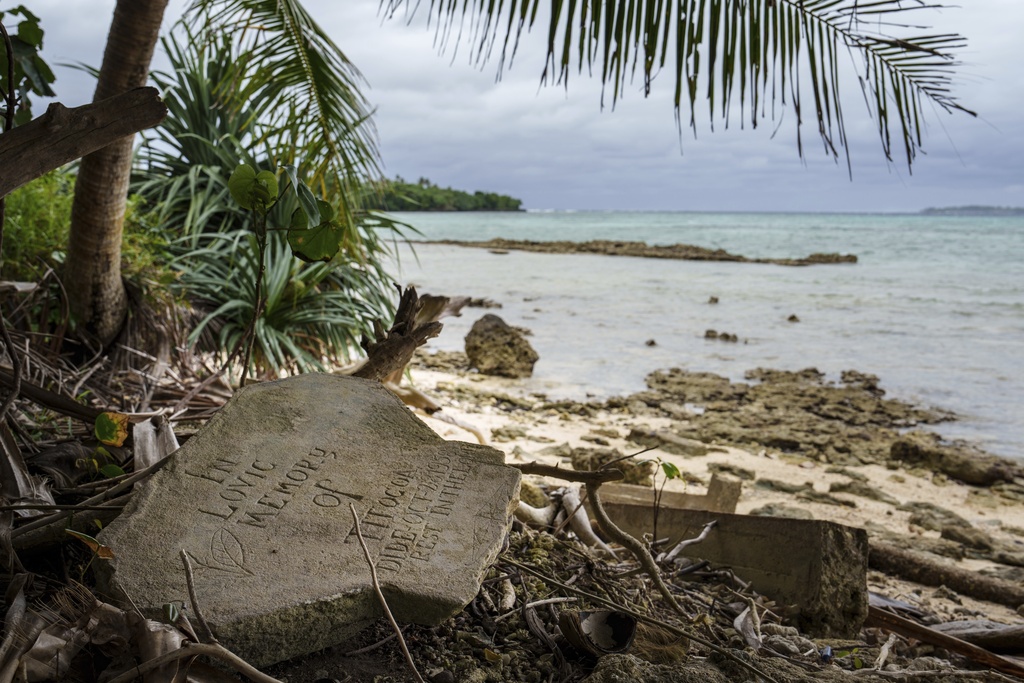
The United Nations’ highest court, the International Court of Justice (ICJ), is set to deliver a historic advisory opinion on climate change Wednesday, in a move that could establish a global legal precedent for environmental protection.
The ruling comes in response to a request made by the UN General Assembly in 2023, following years of advocacy from vulnerable island nations like Vanuatu that are under existential threat from rising sea levels. The court’s opinion, while non-binding, could significantly influence international law and domestic climate litigation.
A panel of 15 judges was asked to address two key questions:
What obligations do countries have under international law to protect the climate and environment from human-driven greenhouse gas emissions?
What are the legal consequences for nations whose actions—or inaction—cause significant harm to the environment?
“The stakes could not be higher. The survival of my people and so many others is on the line,” said Arnold Kiel Loughman, attorney general of Vanuatu, during hearings in December.
Global sea levels have risen by 4.3 cm in the past decade, with Pacific regions experiencing even greater increases. Meanwhile, global temperatures have already risen by 1.3°C above preindustrial levels due to fossil fuel use.
Ralph Regenvanu, Vanuatu’s climate change minister, said existing international agreements are progressing too slowly. The ICJ’s ruling could help accelerate action by establishing a stronger legal framework for accountability.
Although the court's opinion cannot directly force major emitters like the United States or Russia to cut emissions, it could empower civil society and national courts to demand climate action. Legal experts say it may also influence treaties, investment agreements, and future climate negotiations.
“This case is about the past, present, and future of climate responsibility,” said Joie Chowdhury, senior attorney at the Center for International Environmental Law. “It brings historical emissions and justice to the forefront.”
The ICJ opinion follows recent legal victories in other courts: the European Court of Human Rights, the Inter-American Court of Human Rights, and the Dutch Supreme Court have all ruled in favor of stronger government duties to protect people from climate change.
While today’s ruling will not be legally binding, it is expected to have sweeping influence on how nations, courts, and activists address the climate crisis moving forward.
SR
The ruling comes in response to a request made by the UN General Assembly in 2023, following years of advocacy from vulnerable island nations like Vanuatu that are under existential threat from rising sea levels. The court’s opinion, while non-binding, could significantly influence international law and domestic climate litigation.
A panel of 15 judges was asked to address two key questions:
What obligations do countries have under international law to protect the climate and environment from human-driven greenhouse gas emissions?
What are the legal consequences for nations whose actions—or inaction—cause significant harm to the environment?
“The stakes could not be higher. The survival of my people and so many others is on the line,” said Arnold Kiel Loughman, attorney general of Vanuatu, during hearings in December.
Global sea levels have risen by 4.3 cm in the past decade, with Pacific regions experiencing even greater increases. Meanwhile, global temperatures have already risen by 1.3°C above preindustrial levels due to fossil fuel use.
Ralph Regenvanu, Vanuatu’s climate change minister, said existing international agreements are progressing too slowly. The ICJ’s ruling could help accelerate action by establishing a stronger legal framework for accountability.
Although the court's opinion cannot directly force major emitters like the United States or Russia to cut emissions, it could empower civil society and national courts to demand climate action. Legal experts say it may also influence treaties, investment agreements, and future climate negotiations.
“This case is about the past, present, and future of climate responsibility,” said Joie Chowdhury, senior attorney at the Center for International Environmental Law. “It brings historical emissions and justice to the forefront.”
The ICJ opinion follows recent legal victories in other courts: the European Court of Human Rights, the Inter-American Court of Human Rights, and the Dutch Supreme Court have all ruled in favor of stronger government duties to protect people from climate change.
While today’s ruling will not be legally binding, it is expected to have sweeping influence on how nations, courts, and activists address the climate crisis moving forward.
SR
Loading...
Loading...
Also read



Editor : Iqbal Sobhan Chowdhury
Published by the Editor on behalf of the Observer Ltd. from Globe Printers, 24/A, New Eskaton Road, Ramna, Dhaka.
Editorial, News and Commercial Offices : Aziz Bhaban (2nd floor), 93, Motijheel C/A, Dhaka-1000.
Phone: PABX- 41053001-06; Advertisement: 41053012; 01793317829, 01550707291, E-mail: [email protected], [email protected] Online: email: [email protected] 41053014; 01550707297 Advertisement: 01550707296
Published by the Editor on behalf of the Observer Ltd. from Globe Printers, 24/A, New Eskaton Road, Ramna, Dhaka.
Editorial, News and Commercial Offices : Aziz Bhaban (2nd floor), 93, Motijheel C/A, Dhaka-1000.
Phone: PABX- 41053001-06; Advertisement: 41053012; 01793317829, 01550707291, E-mail: [email protected], [email protected] Online: email: [email protected] 41053014; 01550707297 Advertisement: 01550707296


