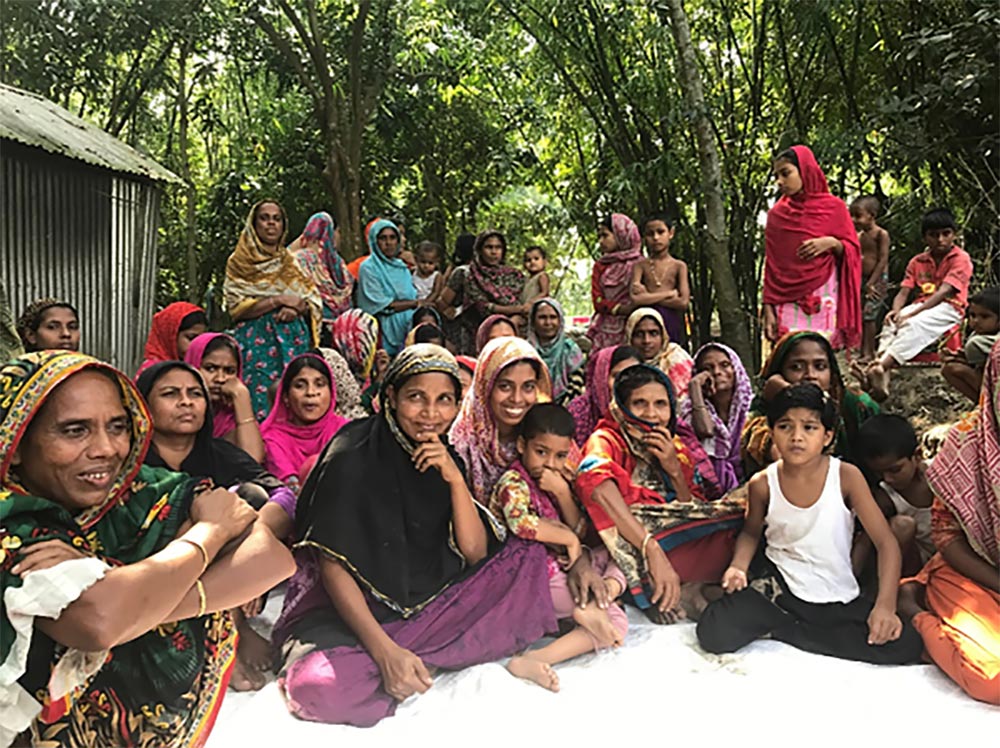
Improving the quality of life in Bangladesh's char regions is essential for achieving the Sustainable Development Goals (SDGs). The remote chars of Kurigram, Gaibandha, and Dinajpur continue to lag behind due to extreme poverty, river erosion, frequent floods, limited connectivity, and weak infrastructure. While the national poverty rate hovers around 20 percent, in char regions it exceeds 80 percent. This stark disparity reflects not only economic hardship but also deep social and educational crises. Ensuring development in these areas is crucial to the principle of leaving no one behind.
Char residents must be recognized as capable citizens rather than merely impoverished populations. Their inclusion in social safety nets and development programs is vital. Women and children, in particular, require special attention, as gender discrimination, child marriage, and low educational attainment remain pervasive. Encouraging women's participation in economic activities and promoting gender equality can pave the way for broader social development. Local training and awareness initiatives are essential to empower women and adolescents, reinforcing sustainable growth.
Education in char regions faces significant challenges, including floods, poor infrastructure, and teacher shortages. Early marriage among girls often rises sharply after primary schooling. To address these issues, establishing permanent, relocatable, and flood-resilient schools is necessary. These institutions can serve dual purposes, functioning as both learning centers and emergency shelters. Ensuring the availability of qualified teachers is critical for consistent and quality education.
Healthcare remains another major challenge in char regions. Affordable and easily accessible services are essential, particularly maternal care, vaccinations, nutrition, and emergency medical support. Innovative approaches, such as satellite clinics, floating hospitals, and low-cost boat-based healthcare programs, can effectively reach remote populations. Timely medical interventions for pregnant women, children, and vulnerable groups are critical to reducing preventable morbidity and mortality.
Limited transportation infrastructure severely restricts access to essential services. Affordable speedboats, motorized boats, improved bridges, and better road networks are urgently needed. Planned river management and char rehabilitation can enhance habitability and safety. Easier access for government officials, teachers, and healthcare providers ensures the direct delivery of social services, particularly during floods.
The fertile soils and abundant water resources of the chars present opportunities for agricultural expansion. Crops such as rice, maize, and wheat, along with livestock farming, can be enhanced through modern technology and solar-powered solutions. Establishing grain storage facilities and ensuring access to local and regional markets will increase income for char residents. Agricultural extension services and income-generating training can strengthen economic resilience and reduce poverty.
Women and children in char regions face persistent social bias, limited education, and restricted opportunities, reinforcing inequality. Empowering women, increasing their participation in economic activities, and promoting gender equality can reduce disparities. Children require safe shelter, nutritious food, clean water, and access to education. During floods, special protection measures for women, children, and adolescents are critical. Schools, playgrounds, and healthcare centers must be designed to be flood-resilient and secure.
Sustainable development in char regions requires coordinated, long-term, and evidence-based policies. Leadership from the government, in collaboration with NGOs, researchers, educational institutions, and local representatives, is essential. Establishing a dedicated ministry or national char board, providing skill development and income-generating training, ensuring participation in social safety nets, and developing sustainable transportation infrastructure are all necessary measures. Constructing flood-resilient, relocatable schools and addressing teacher shortages will maintain education during emergencies, while accessible healthcare and nutrition programs will safeguard vulnerable populations. Facilitating storage and market access for locally produced goods, reducing drowning risks, and strengthening awareness and protection programs for women and children will further promote overall development.
With accurate data, feasible planning, and effective implementation, char residents can contribute significantly to Bangladesh's socio-economic progress. Empowering these communities is key to national advancement. Implementing these measures ensures that no one is left behind in achieving the SDGs and enables char dwellers to actively participate in the country's economic and social development.
The writer is a journalist





