



| HEADLINE |

|
Scientists discover mysterious new life forms inside the human body
Published : Saturday, 23 August, 2025 at 12:34 PM
Observer Online Desk


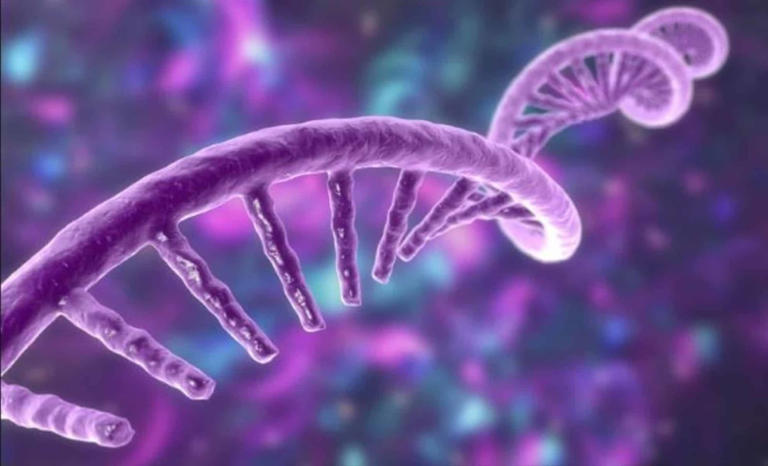
Scientists discover mysterious new life forms inside the human body
Researchers have uncovered strange and unprecedented entities living within the human body, entities they have named “obelisks.” These mysterious forms, first identified through cutting-edge genetic analysis, challenge existing definitions of life and raise questions about what else might be lurking unseen within us.
Smaller than most viruses and unlike typical microorganisms, obelisks are reshaping how scientists view life at its most fundamental level.
This discovery, led by Nobel laureate Andrew Fire from Stanford University, emerged from massive genetic datasets analyzed for unfamiliar patterns. Obelisks share some traits with viroids—infectious RNA loops known to affect plants—but exist in human-associated bacteria. These RNA-based structures lack the protective protein shells seen in conventional viruses, setting them apart as a unique class of life forms.
The Discovery and Nature of Obelisks
The journey to uncover these RNA-based entities began with the analysis of massive genomic libraries. Researchers used advanced computational tools to sift through genetic data, searching for patterns that didn’t align with any known organisms. Among the data were unique RNA loops that defied classification. These entities were named “obelisks” for their distinctive shape, and thousands of varieties have since been identified.
Mark Peifer, a cell and developmental biologist at the University of North Carolina, reflected on the magnitude of the discovery:
“The more we look, the crazier we see.”
What makes obelisks truly remarkable is their structural simplicity. Unlike viruses, which have protective protein shells, obelisks lack this feature entirely. This deviation from established norms of microbial life has left scientists questioning how obelisks function and what evolutionary pathways led to their existence.
Where Are Obelisks Found?
Obelisks have been identified in bacteria residing in various parts of the human body, including the mouth and intestinal tract. Their presence in distinct regions suggests a complex relationship with their bacterial hosts, and potentially, with human health. Initial studies indicate that different types of obelisks may prefer specific areas of the body, hinting at a specialized role within the microbiome.
Matthew Sullivan, an integrative biologist at Ohio State University, noted that while the exact health implications of obelisks remain unknown, their influence on bacterial behavior could have ripple effects on human biology. The discovery of these entities adds a new layer to the already intricate relationship between humans and the trillions of microbes that inhabit us.
What Makes Obelisks So Unique?
Obelisks are not easily categorized. They are not viruses, bacteria, or classic viroids, yet they share traits with all three. This ambiguity challenges existing frameworks for classifying life and suggests the possibility of entire categories of RNA-based organisms that have gone unnoticed.
These entities resemble viroids, infectious RNA molecules that affect plants, but differ in their structure and function. While viroids are known pathogens, the role of obelisks within the human microbiome remains unclear. They may represent an evolutionary bridge between simpler RNA molecules and more complex life forms.
The discovery of obelisks has reignited debates about the origins of viruses and RNA-based life. Some scientists believe that viruses may have evolved from simpler RNA entities, while others argue that obelisks could be remnants of an ancient evolutionary pathway that predates modern microbial life.
How Were Obelisks Discovered?
The identification of obelisks required the use of sophisticated genomic tools capable of detecting tiny, circular RNA molecules. Researchers meticulously filtered their data to ensure that what they found wasn’t just random noise but represented genuine biological structures. These efforts revealed a hidden world of RNA entities that had eluded detection for decades.
“This is one of the most exciting parts of being in this field right now,” said Simon Roux, a computational biologist at the DOE Joint Genome Institute. The discovery highlights the potential for modern genetic analysis to uncover previously unknown forms of life, pushing the boundaries of what we know about biology.
Implications for Science and Medicine
While obelisks are fascinating from an evolutionary perspective, their potential impact on human health and disease is a subject of intense curiosity. If these entities influence bacterial behavior, they could indirectly affect various aspects of human biology, from digestion to immune function. Understanding their role could open new avenues for medical research, particularly in areas related to the microbiome.
Additionally, the discovery of obelisks raises broader questions about life’s diversity and adaptability. These RNA-based entities may represent a new frontier in our understanding of how life evolves and interacts with its environment. Their simplicity and ubiquity suggest that similar forms of life might exist in other ecosystems, including extreme environments or even extraterrestrial settings.
A New Chapter in Microbial Research
The discovery of obelisks is just the beginning. As researchers continue to analyze genetic data, they expect to uncover even more surprising forms of life that challenge existing paradigms. These findings underscore the importance of exploring the human microbiome and other microbial ecosystems in greater depth.
Obelisks may be small and structurally simple, but their discovery has profound implications for science. By forcing a reevaluation of what constitutes life, they open new doors to understanding the complexities of biology and evolution. The hidden world of RNA-based life is a reminder that the boundaries of science are constantly expanding, with each discovery revealing new layers of complexity in the natural world.
TF
Loading...
Loading...
Also read









Editor : Iqbal Sobhan Chowdhury
Published by the Editor on behalf of the Observer Ltd. from Globe Printers, 24/A, New Eskaton Road, Ramna, Dhaka.
Editorial, News and Commercial Offices : Aziz Bhaban (2nd floor), 93, Motijheel C/A, Dhaka-1000.
Phone: PABX- 41053001-06; Advertisement: 41053012; 01793317829, 01550707291, E-mail: [email protected], [email protected] Online: email: [email protected] 41053014; 01550707297 Advertisement: 01550707296
Published by the Editor on behalf of the Observer Ltd. from Globe Printers, 24/A, New Eskaton Road, Ramna, Dhaka.
Editorial, News and Commercial Offices : Aziz Bhaban (2nd floor), 93, Motijheel C/A, Dhaka-1000.
Phone: PABX- 41053001-06; Advertisement: 41053012; 01793317829, 01550707291, E-mail: [email protected], [email protected] Online: email: [email protected] 41053014; 01550707297 Advertisement: 01550707296


