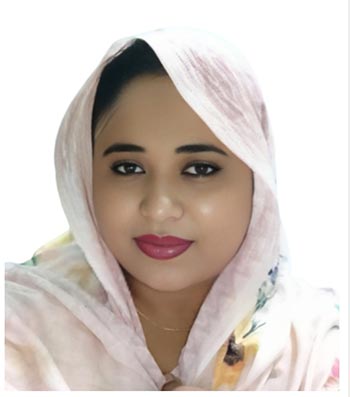
From the quiet lanes of Mehar village in Chandina upazila, Comilla, emerges an inspiring story of resilience and motherhood, the story of Golapi Akter, a simple woman whose determination has transformed the future of her family and inspired many around her.
Though she herself never had the privilege of pursuing higher education, Golapi Akter's relentless struggle, sacrifice, and foresight have made her children not only academically successful but also morally grounded and humane. In an era where many parents falter under financial and social pressures, Golapi has become an example of how a mother's courage and persistence can change an entire generation.
Her family's early days were riddled with hardship. Her husband, Osman Gani, earned a modest income from his small pharmacy business and media work. Meeting daily expenses itself was difficult yet, as her three young children reached school going age, Golapi dared to dream differently.
She refused to let poverty rob her children of education. The struggle was immense paying for books, uniforms, and school fees often meant cutting down on other basic needs. Yet, she never let her children miss a day of school.
To strengthen her family's income, Golapi joined a company (NLI Co.) Chandina branch as a development worker. With honesty and dedication, she earned recognition and steadily rose to a good position. Her earnings became the lifeline of her children's education.
Despite professional responsibilities, Golapi made her home a place of discipline and care. She cultivated organic vegetables and planted fruit trees malta, dragon, banana, mango, and atafal ensuring her children grew up eating chemical free, healthy food.
At home, she created a disciplined study routine: television turned off in the evenings, limited use of mobile phones, and study tables prepared before bedtime. More importantly, she didn't just monitor exams and grades she sat with her children daily, asking about their school life, friendships, dreams, and lessons learned.
To raise not just educated children, but good human beings. She instilled in them moral values respect for elders, compassion for the poor, and responsibility towards society. Her children today participate in community activities, help rural students, and share their resources with those in need.
"I don't want my children to be successful only in exams. If they don't become good human beings, their degrees will mean nothing to me," says Golapi.
Her philosophy has resonated beyond her home. Local teachers share her story in classrooms. Other mothers in the community are now encouraged to send their children to school after witnessing Golapi's persistence. She has become a role model not just for Chandina, but for any parent who believes education is out of reach due to hardship.
When a woman leads education in the family, a generation is transformed. Through love, sacrifice, and sheer determination, she has proven that education is not a privilege of the wealthy, it is the right of every child.
Her story is more than that of a mother; it is the story of a silent warrior shaping society's future. If every village had a Golapi, Bangladesh's tomorrow would shine brighter.





