In August 2023 Netflix released a documentary series named "Live to 100: Secrets of Blue Zone" which shows five places on planet Earth where people live much longer than average. The Places are Okinawa, Japan; Sardinia, Italy; Ikara, Greece; Nicoya, Costa Rica and Loma Linda, California. The Series is hosted and narrated by Dan Buettner who is also the author of the New York Times best-selling book "Blue Zone Kitchen". He is also a National Geographic Fellow and Three Times Guinness World Record distance cycling holder.
A total of four episodes of the documentary illustrates some common and smart practices that turn Blue Zones habitants more active, fit, and long-lived. Also, weve uncovered the profound impact of environment, lifestyle, and community on longevity. The Lessons learned from these diverse corners of the globe provide a blueprint for living longer, healthier lives and they remind us of our ability to shape our well-being.
Following the documentary, we observe some common denominators that make those certain corners to Blue Zone.
(1) Diet: Diet offers crucial insights into exceptional longevity. People of Okinawa follow an ingenious practice called "hara hachibu", which translates to "eat until you are 80% full. Where Sardinians wisely choose "good carbs which form the foundation of their diet, highlighting that "carbohydrates" don necessarily determine if prepared correctly. Plant-based diets (PBD) have been linked to a variety of health advantages, including a better metabolic and inflammatory profile.
(2) Community and Social Support: Prioritizing family, emphasizing partnership, and being part of the right community create a supportive social network that contributes to well-being. The wisdom and experiences of the older generation are treasured and valued, fostering a sense of community and activity. Volunteering provides a better sense of well-being later in life for those who do not volunteer. Community and social support prepare blue zones habitants to engage in active coping strategies when faced with stress.
(3) Plan De Vida: The necessity to move naturally, navigating the challenging terrain daily, becomes an integral part of Blue Zone Habitants. These activities not only keep them physically fit but also foster a sense of purpose and social connection. Engaging in manual labor, like chopping food and grinding corn, keeps them active and burns calories, contributing to higher metabolic rates.
(4) Public Policy: Integrated and inclusive public policy includes strong nutrition programs, bringing health to the community, adaptation of positive habits, promoting healthier food, and accessible public transport all of which are contagious enthusiasm of being in the right social circle. The public policies are a testament to the power of well-thought-out government interventions, community-building initiatives, and a shared commitment to a healthier, happier society.
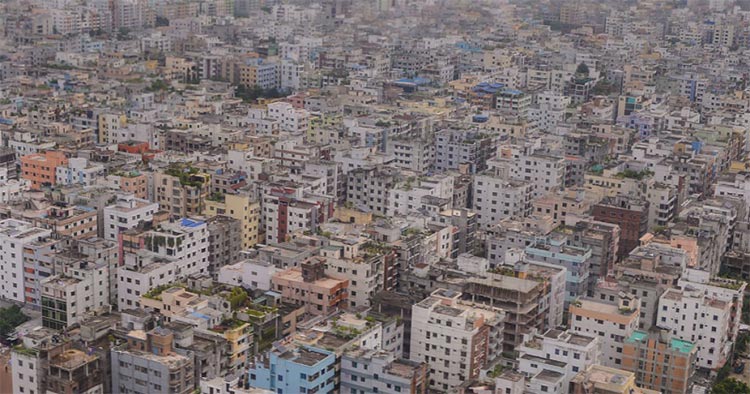
Now, what we experienced in Dhaka, is a megacity with a population of 20 million people with a high density, limited open areas for walking, regularity failure on food safety, a very lean atmosphere of social connection, and poor interventions of policies. But the most promising part of these scared contexts is that people always keep looking to change the conditions of Dhaka and they own the city like any other megacities. To Build a Blue Zonelike Albert Lea, Minnesota, USA, and Singapore it is high time for the people of Dhaka to play a significant role in fostering environments that promote longer and healthier lives. The government should lead initiatives to deliberate policies aimed at improving well-being and urbanization with nature, building a strong sense of community with a holistic approach. Which begins with a clear vision, desire, and objectives.
In the end, it all begins with listening, understanding, and embracing the lessons from these Blue Zones. Lets take the inspiration from these communities and look towards a blueprint of longevity that benefits us all. The Power to Change our destiny for the better in Dhaka is in our Hands.
The writer is a Development Professional, BHW, Brac James P Grant School of Public Health