



| HEADLINE |

|

Netanyahu offers power-sharing deal to Eisenkot
Published : Sunday, 1 November, 2026 at 9:56 AM
Observer Online Report


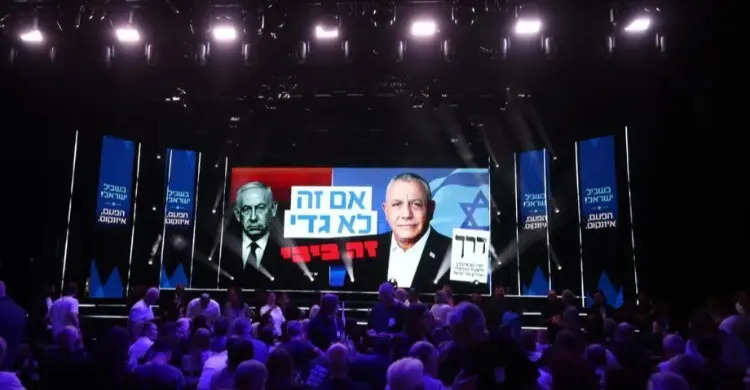
Collected Photo
With no single coalition securing a clear majority in the recent general election, Israeli Prime Minister Benjamin Netanyahu has reportedly proposed a power-sharing arrangement with opposition leader Gadi Eisenkot, under which Netanyahu would step down after two years.
According to a report broadcast by Israel's Channel 14 on Wednesday, October 28, President Isaac Herzog has been actively pushing the power-sharing initiative behind the scenes over the past two years—well before the official campaign began and election results were announced—in an effort to break the ongoing political stalemate.
Under the reported proposal, Netanyahu would serve as Prime Minister for the first two years to maintain alignment and work alongside US President Donald Trump, before handing over the premiership to Eisenkot for the remaining term.
President's Office Strongly Denies Report
The President’s Office swiftly rejected the Channel 14 report, issuing a formal statement calling the claims "completely false" and denying that any such agreement or preliminary negotiation had taken place.
The statement clarified that President Herzog is not conducting advance discussions regarding who will be tasked with forming the government. The President’s Office noted that official election results will not reach the President until Wednesday, November 4, after which Herzog will conduct constitutional consultations with all parliamentary factions before designating a candidate to form the next administration.
Election Results Keep Knesset Divided
Initial election tallies released with 85 per cent of votes counted show Netanyahu’s right-wing bloc holding 53 seats in the 120-seat Knesset, while the Zionist opposition bloc led by Eisenkot's Yesh Atid-centered alliance holds 48 seats, and Arab-led parties control 19 seats.
According to Channel 12, a minimum of 61 seats is required to form a governing majority, leaving neither main faction with a clear path to power.
The Central Elections Committee reported an overall voter turnout of 77.7 per cent—a 7.1 per cent increase from the 2022 elections and the highest voter turnout in Israel since 1999.
Final seat allocations remain subject to minor shifts as special ballots from military personnel, diplomats, prisoners, and hospitalized voters are tallied.
-SA

Loading...
Loading...
Also read






Editor : Iqbal Sobhan Chowdhury
Published by the Editor on behalf of the Observer Ltd. from Globe Printers, 24/A, New Eskaton Road, Ramna, Dhaka.
Editorial, News and Commercial Offices : Aziz Bhaban (2nd floor), 93, Motijheel C/A, Dhaka-1000.
Phone: PABX- 41053001-06; Advertisement: 41053012; 01793317829, 01550707291, 01550707296
E-mail: [email protected], [email protected]. [email protected], [email protected], [email protected], [email protected], Online-email: [email protected]


