



| HEADLINE |

|

A Goldmine of Opportunity, A Minefield of Mismanagement
Vast untapped market, rising climate and health risks offer huge growth prospects, but unpaid claims, financial irregularities and a weak regulator threaten public trust.
 “You don't need to pray to God any more when there are storms in the
IDRA UNDER FIRE
 “IN A WORLD STARVED OF FOOD, the earth becomes poetry, and the full moon looks
Gen Z’s War Against Gangster Capitalism
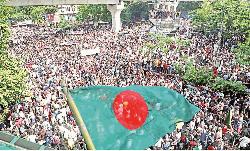 From Dhaka to Delhi and across Europe, Gen Z is demanding more than political change.
Garment Unrest Raises New Alarm
 Bangladesh cannot afford to have its export lifeline paralysed while its domestic economy struggles to
JAPAN’S $6.35 BILLION BET
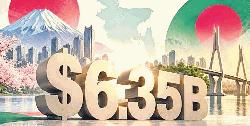 Japan’s trillion-yen investment ambition could help transform Bangladesh into a regional manufacturing and technology hub.
 One presentation. One ambitious industrial vision. And a financial prospect that could reshape Bangladesh’s economic
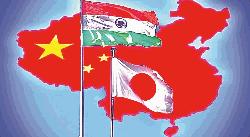 The Bay of Bengal is no longer merely a maritime corridor. It is becoming a
Bangladesh’s $1 Billion Semiconductor Gamble
Can Bangladesh turn its army of engineers into a global technology powerhouse? With semiconductor exports targeted to surge from just $6–10 million to $1 billion by 2030, the country is racing to break free from its dependence on labour-intensive exports and claim a place in the trillion-dollar chip industry.
 Bangladesh stitched its way into the global economy. Now, it wants to engineer its way
THE BIGGER PICTURE
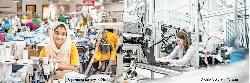 Inside the AnalysisDreams are free. Global competitiveness is earned.Bangladesh has built an export powerhouse with
A Housing Tsunami Bigger Than 2008?
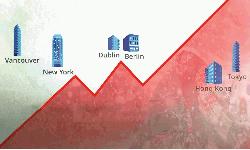
The global housing crisis is no longer just about soaring property prices; it is about mounting debt, unaffordable rents and the growing threat to financial stability. From London to Dhaka, the dream of homeownership is slipping beyond the reach of middle-income families, turning the struggle for a roof into a fight for economic survival.
 A house should be a family's fortress-a source of security, a lifetime investment and a
 Imagine spending the best years of your life earning money, raising a family and saving
For Bangladesh, the lesson is not to reject capitalism or growth, but to understand that growth without housing, social protection and accountable spending can leave prosperity sitting beside insecurity.
 Silicon Valley created fortunes, Hollywood created global glamour and California built an economic machine larger
Dhaka Draws The Line
 The stakes are enormous. A miscalculation could deepen financing pressures and unsettle investors. A carefully
The real test is whether the central bank and the government can build a credible bridge between monetary policy and bank rehabilitation—one that restores capital, recovers bad assets, protects depositors and enables healthy banks to resume productive lending.
 Bangladesh Bank has kept its policy rate unchanged at 9.5%, but its latest monetary policy
 A small business owner asks an AI assistant to manage a simple task: review outstanding
Frontier Economics report demonstrates how reducing mobile-specific taxation can accelerate digital development and expand government revenues
 Bangladesh’s ambition to build a digital economy is running into a stubborn obstacle: the mobile

Loading...
Loading...

Editor : Iqbal Sobhan Chowdhury
Published by the Editor on behalf of the Observer Ltd. from Globe Printers, 24/A, New Eskaton Road, Ramna, Dhaka.
Editorial, News and Commercial Offices : Aziz Bhaban (2nd floor), 93, Motijheel C/A, Dhaka-1000.
Phone: PABX- 41053001-06; Advertisement: 41053012; 01793317829, 01550707291, 01550707296
E-mail: [email protected], [email protected]. [email protected], [email protected], [email protected], [email protected], Online-email: [email protected]


