



| HEADLINE |

|

Tk 1,500cr allocated for 4,000MW rooftop solar push


The government has allocated Tk 1,500 crore from its existing green financing fund to support rooftop solar power installations, as it seeks to add 3,000�"4,000 megawatts of capacity before next summer.
The initiative follows approval of the draft Special Solar Power Installation Ordinance, 2026, which aims to address regulatory gaps in projects financed and operated by private investors. The government hopes the low-interest financing scheme will accelerate rooftop solar installations and reduce dependence on fossil fuel-based power plants amid rising fuel prices following the Iran-US war.
Under the Power Division's financing framework, private investors and rooftop owners will each contribute 20 per cent of the total investment, while the remaining 60 per cent will be provided as loans through designated financing institutions.
The arrangement is designed to ensure that rooftop owners have a financial stake in the projects, creating a sense of ownership and encouraging them to maintain the systems properly.
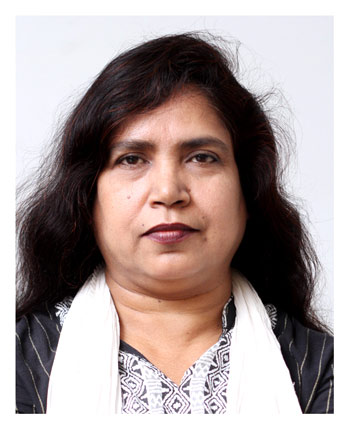
Power Division Secretary Mirana Mahrukh said the initial Tk 1,500 crore had been mobilised from the existing green fund and sources designated for low-carbon emission activities, rather than through a fresh allocation from the government treasury.
She said Bangladesh Bank would provide financing through its Green Transformation Fund (GTF), under which entrepreneurs would receive loans at an interest rate of up to 6 per cent, repayable over 12 years.
The loans will be distributed through three institutions �" Palli Karma-Sahayak Foundation (PKSF), Bangladesh Infrastructure Finance Fund Limited (BIFFL) and Infrastructure Development Company Limited (IDCOL), she said.
The secretary said the government could release additional funds in phases once the initial allocation was exhausted, with another Tk 500 crore potentially being made available.
Welcoming the low-interest financing initiative, Imran Karim, chairman of Confidence Power and Energy PLC, said the 12-year repayment facility was a positive step but stressed the need for proper fund recovery, transparency and benefits for consumers.
“The 12-year instalment facility is a positive step. However, effective measures are very important to ensure proper recovery of the fund money, transparent use, and benefits for customers,” he said.
He also called for consultations with stakeholders to develop a clear standard operating procedure (SOP) to ensure effective implementation of the initiative.
Power Division officials said loans from the three designated institutions could be relatively expensive. The government is therefore considering combining financing from different sources to lower the overall borrowing costs.
It is also holding discussions with domestic and international commercial banks, including HSBC, Citi and BRAC Bank, which have expressed interest in providing relatively affordable financing for rooftop solar projects.
According to Power Division officials, private banks are considering offering loans at an interest rate of around 5 per cent. If implemented, the arrangement would help mobilise additional funds from the domestic financial market.
International development partners are also being approached to support the expansion. The World Bank has promised $500 million, while the Asian Infrastructure Investment Bank (AIIB) has initially committed to providing another $500 million. The Asian Development Bank (ADB) is also considering an initial financing package of $250 million.

Loading...
Loading...
Also read



Editor : Iqbal Sobhan Chowdhury
Published by the Editor on behalf of the Observer Ltd. from Globe Printers, 24/A, New Eskaton Road, Ramna, Dhaka.
Editorial, News and Commercial Offices : Aziz Bhaban (2nd floor), 93, Motijheel C/A, Dhaka-1000.
Phone: PABX- 41053001-06; Advertisement: 41053012; 01793317829, 01550707291, 01550707296
E-mail: [email protected], [email protected]. [email protected], [email protected], [email protected], [email protected], Online-email: [email protected]


