



| HEADLINE |

|

Disappearing Playgrounds, Denying Right to Play
Published : Saturday, 7 November, 2026 at 12:00 AM
Simanta Bardhan


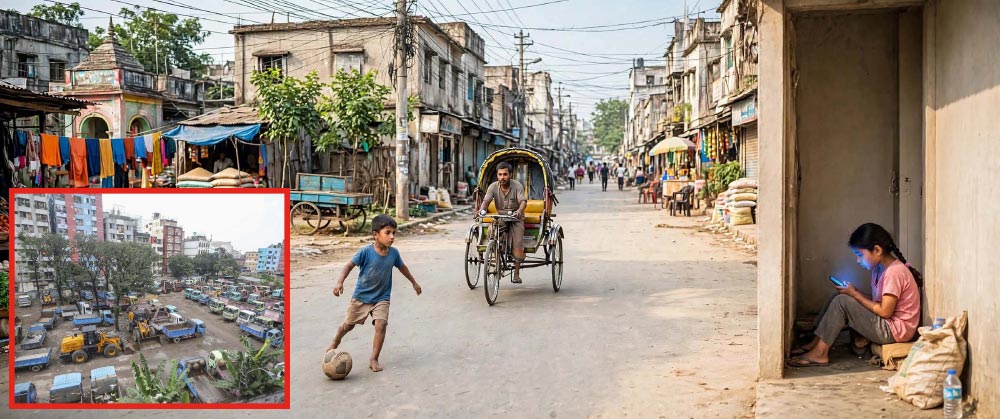
A playground is more than an open field; it is where childhood finds friendship, discipline, teamwork and confidence. Yet, thousands of children across Dhaka and elsewhere in Bangladesh are growing up deprived of safe spaces to play.
A City Starved of Playgrounds
Dhaka's rapid urbanisation has come at the expense of playgrounds and open spaces, increasingly swallowed by buildings, roads and commercial establishments.
The Bangladesh Institute of Planners (BIP) reports that the two city corporations have 235 playgrounds across 129 wards, but 41 wards have none and only 42 grounds are reportedly open to the public. Nationwide, more than 15,000 primary and secondary schools reportedly lack playgrounds, while some existing school grounds remain locked after classes.
These figures expose how children's right to play is routinely overlooked in urban planning and education management.
Play Shapes Childhood
Play is not a distraction from education but an essential part of childhood. Through sports, children learn teamwork, discipline, respect, leadership and resilience, while outdoor activities strengthen physical health and foster social and emotional development. A 2024 review in the International Journal of Behavioral Nutrition and Physical Activity also highlighted playgrounds' contribution to children's physical activity, mental well-being, social interaction and cognitive growth. Conversely, excessive screen time and limited outdoor activity can undermine their health and social skills.
Playground Shortages Fuel Teen Gang Risks
The playground shortage is also a social concern, leaving adolescents with fewer opportunities for healthy friendships, discipline and a sense of belonging. Without sports clubs or safe recreational spaces, some spend long hours indoors or gather in public places, potentially increasing their exposure to harmful peer groups.
Time for Action
Occupied playgrounds must be recovered by removing illegal structures and commercial activities. Public grounds should remain accessible to all children, regardless of economic background. Schools should open their playgrounds to local children after classes and during holidays. New residential projects and educational institutions must provide adequate open spaces, while unused public land should be developed into playgrounds. All playgrounds must be safe and accessible to girls and children with disabilities. Local authorities, schools and sports organisations should also arrange regular sports activities and provide trained coaches.
A city's progress cannot be measured by roads and buildings alone; it must also provide children with safe spaces to play. Parents can limit screen time, but creating playgrounds is the responsibility of the government, local authorities and society. Instead of merely policing children's behaviour, we must offer positive alternatives. Every child, regardless of gender or income, deserves access to a safe playground. Protecting these spaces is not simply an urban planning issue but a matter of children's rights, public health and social justice. Restoring playgrounds means restoring an essential part of childhood.

Loading...
Loading...
Also read




Editor : Iqbal Sobhan Chowdhury
Published by the Editor on behalf of the Observer Ltd. from Globe Printers, 24/A, New Eskaton Road, Ramna, Dhaka.
Editorial, News and Commercial Offices : Aziz Bhaban (2nd floor), 93, Motijheel C/A, Dhaka-1000.
Phone: PABX- 41053001-06; Advertisement: 41053012; 01793317829, 01550707291, 01550707296
E-mail: [email protected], [email protected]. [email protected], [email protected], [email protected], [email protected], Online-email: [email protected]


