



| HEADLINE |

|

Musk and tech giants face data centre curbs
Published : Monday, 9 November, 2026 at 10:58 AM
Observer Online Report


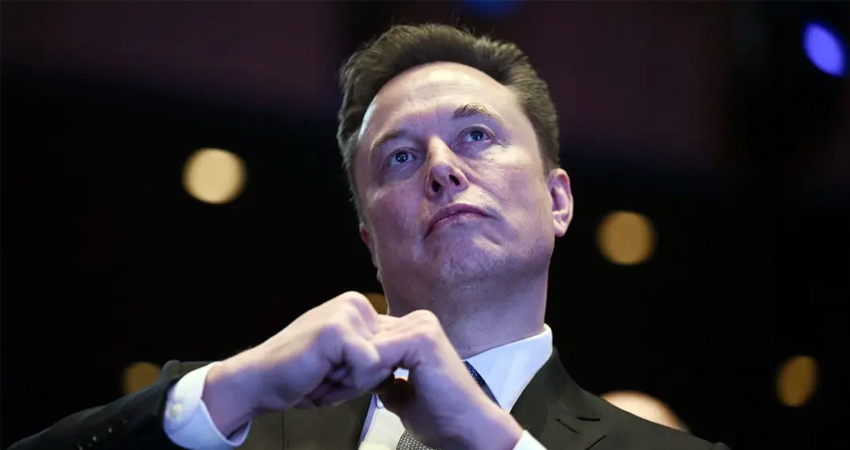
Collected Photo
Major tech companies face mounting hurdles in expanding artificial intelligence infrastructure across the United States following the mid-term elections, as local ballot measures and incoming lawmakers push for stricter controls on data centre developments.
According to a report by tech news outlet TechCrunch, public dissatisfaction over data centre construction has evolved into a key political issue spanning Democratic, Republican, and independent voter bases.
The shift poses immediate operational challenges for high-profile tech ventures, including those backed by billionaire Elon Musk. Despite Musk contributing an estimated $500 million to Republican campaign funds, political dynamics have shifted in Texas—home to several of his corporate headquarters—where Governor-elect Gina Hinojosa campaigned on promises to regulate data centre expansion.
Discontent has largely been driven by non-disclosure agreements (NDAs) signed between tech firms and local officials, which restrict public access to details regarding project scale, land usage, and environmental impacts.
Industry analysts noted that proposals to build energy- and water-intensive facilities in drought-prone areas across the American Southwest have intensified public opposition.
In response to growing pushback, AI developer OpenAI recently unveiled a "Compute Campus Policy Blueprint", proposing greater transparency, community engagement, and an end to strict NDA practices. However, industry observers express skepticism over whether rebranding data centres as "compute campuses" will alleviate public concerns regarding heavy resource consumption.
Alongside regulatory and political hurdles, tech firms also face changing sentiment from Wall Street investors cautious about capital expenditure on massive AI infrastructure, complicating efforts to scale up computing capacity to meet surging demand.
-EM

Loading...
Loading...
Also read









Editor : Iqbal Sobhan Chowdhury
Published by the Editor on behalf of the Observer Ltd. from Globe Printers, 24/A, New Eskaton Road, Ramna, Dhaka.
Editorial, News and Commercial Offices : Aziz Bhaban (2nd floor), 93, Motijheel C/A, Dhaka-1000.
Phone: PABX- 41053001-06; Advertisement: 41053012; 01793317829, 01550707291, 01550707296
E-mail: [email protected], [email protected]. [email protected], [email protected], [email protected], [email protected], Online-email: [email protected]


