



| HEADLINE |

|

Chickpea prices jump Tk 20 per kg months ahead of Ramadan
Published : Monday, 9 November, 2026 at 12:32 PM
Observer Online Report


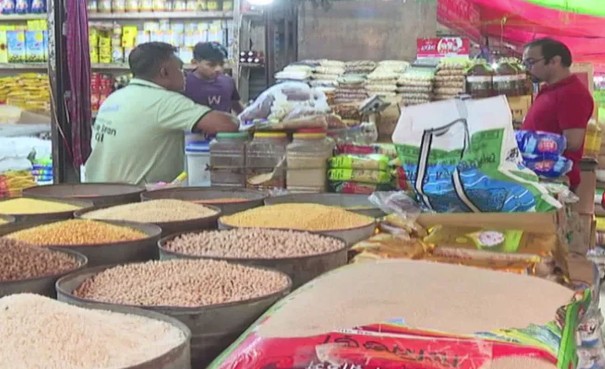
With nearly three months still to go before Ramadan, chickpea prices in the country have already started climbing, rising by more than Tk 20 per kilogram within a week and triggering concerns over possible market manipulation.
Traders have attributed the price hike to rising import and transportation costs, while consumers suspect artificial supply shortages are being created to push up prices. Market analysts have called for digital monitoring of the entire supply chain, from imports to retail sales, to prevent syndicate-driven price manipulation.
Bangladesh requires an average of 10,000 to 12,000 tonnes of chickpeas every month. Demand, however, surges to between 80,000 and 100,000 tonnes during Ramadan.
Chickpeas are currently selling at Tk 110-115 per kg, compared with less than Tk 100 just a week ago. Split chickpeas are being sold at Tk 120-130 per kg.
"I bought chickpeas at Tk 100 per kg just a week ago. Now retailers are charging Tk 110. The price may rise further in the coming days," said a consumer.
Another buyer expressed concern over the early price hike, saying essential commodities commonly consumed during Ramadan were becoming more expensive well ahead of the holy month.
Importers at Chattogram's Khatunganj wholesale market said lower chickpea production in Australia had pushed up import booking prices to around $850 per tonne over the past two months. Shipping costs have also increased.
Ahsan Ullah Zahedi, former general secretary of the Chaktai-Khatunganj Traders' Welfare Association, said chickpeas were entirely dependent on imports.
"Prices in the international market have increased by $700 to $800 per tonne, and the impact has been felt in our domestic market," he said.
Market analysts, however, argue that high import duties on chickpeas, despite being an essential commodity, add to the pressure on consumers. They also allege that traders begin stockpiling supplies three to four months before Ramadan and later cite supply shortages to justify higher prices.
As a result, even when the National Board of Revenue (NBR) withdraws import duties ahead of Ramadan, the benefits often fail to reach consumers, they said.
AHM Shafiquzzaman, president of the Consumers Association of Bangladesh (CAB), questioned the credibility of traders' explanations for rising prices.
"Traders provide various kinds of information to justify price increases. But how much of that information is actually true, and how much have the prices of the chickpeas imported into our country really increased? There are also different grades of premium-quality chickpeas in the market," he said.
Nearly 99 per cent of chickpea imports and marketing in Bangladesh are controlled by the private sector, limiting the government's direct influence over the market.
Analysts believe that digitising and monitoring transaction data across the supply chain—from importers and wholesalers to retailers—could help authorities identify irregularities, curb artificial shortages and ensure more effective market oversight.

Loading...
Loading...
Also read







Editor : Iqbal Sobhan Chowdhury
Published by the Editor on behalf of the Observer Ltd. from Globe Printers, 24/A, New Eskaton Road, Ramna, Dhaka.
Editorial, News and Commercial Offices : Aziz Bhaban (2nd floor), 93, Motijheel C/A, Dhaka-1000.
Phone: PABX- 41053001-06; Advertisement: 41053012; 01793317829, 01550707291, 01550707296
E-mail: [email protected], [email protected]. [email protected], [email protected], [email protected], [email protected], Online-email: [email protected]


