



| HEADLINE |

|

Inflation Eases to 8.27pc in October as Food Prices Fall
Published : Tuesday, 10 November, 2026 at 12:00 AM
Business Correspondent


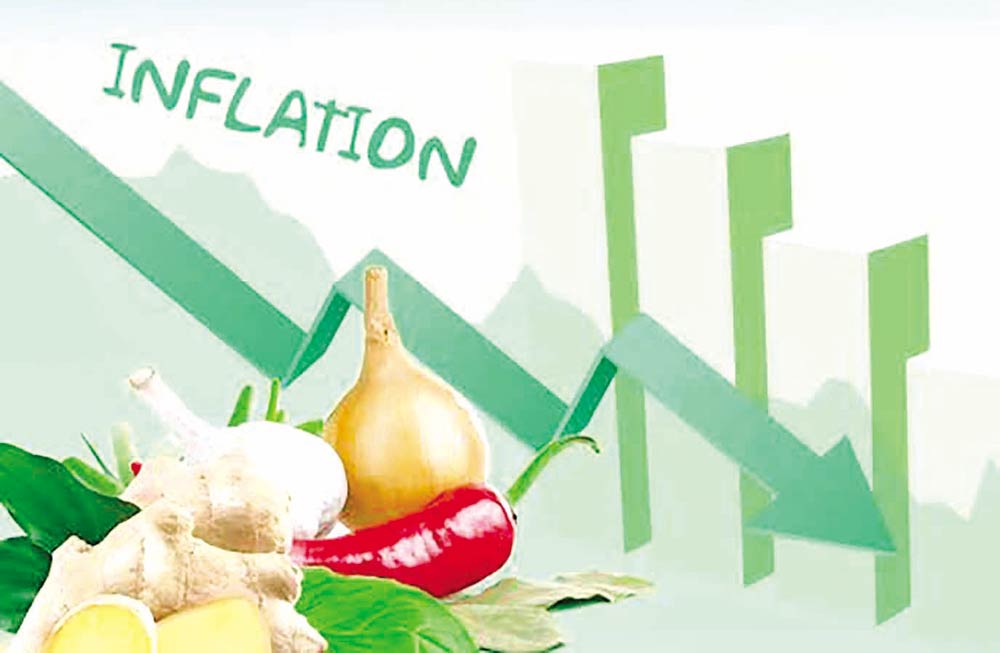 Overall inflation in Bangladesh eased slightly to 8.27 per cent in October from 8.34 per cent in September, mainly due to a decline in food prices. However, rising non-food inflation continued to put pressure on household budgets.
The latest figures were released by the Bangladesh Bureau of Statistics (BBS) on Monday.
According to BBS data, food inflation declined to 6.80 per cent in October from 7.22 per cent in the previous month. In contrast, non-food inflation increased to 9.89 per cent from 9.30 per cent over the same period.
The rise in non-food inflation indicates that consumers are facing higher costs for essential services and daily necessities, including housing, transport, healthcare and education.
The gap between inflation and wage growth also remains a major concern for households. According to the latest BBS wage index, the national wage growth rate stood at 7.90 per cent in September, below the inflation rate of 8.34 per cent. Wages have remained below inflation for 56 consecutive months, indicating a continued erosion of people's purchasing power.
Economists say a marginal decline in overall inflation does not necessarily translate into meaningful relief for consumers. Sustained price stability in both food and non-food items is essential to ease the cost-of-living burden.

Loading...
Loading...
Also read



Editor : Iqbal Sobhan Chowdhury
Published by the Editor on behalf of the Observer Ltd. from Globe Printers, 24/A, New Eskaton Road, Ramna, Dhaka.
Editorial, News and Commercial Offices : Aziz Bhaban (2nd floor), 93, Motijheel C/A, Dhaka-1000.
Phone: PABX- 41053001-06; Advertisement: 41053012; 01793317829, 01550707291, 01550707296
E-mail: [email protected], [email protected]. [email protected], [email protected], [email protected], [email protected], Online-email: [email protected]


