



| HEADLINE |

|

No legal complications in bringing Hasina back: Dr Zahed
Published : Wednesday, 11 November, 2026 at 12:00 AM
Staff Correspondent


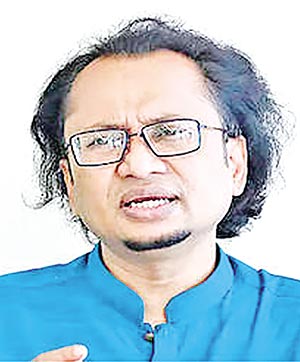 The government finds no legal complications in bringing ousted Prime Minister Sheikh Hasina back from India through the existing extradition treaty, as she herself has repeatedly expressed her willingness to return, Prime Minister’s Information and Broadcasting Adviser Dr Zahed Ur Rahman said on Tuesday.
“We want to extradite her and bring her back. Since she herself wants to return, I do not see any legal complication in the process,” he said.
Dr Zahed made the remarks while responding to journalists at a regular press briefing at the Secretariat on November 10.
He said Bangladesh had an extradition treaty with India and had already requested her handover through official channels.
Under the treaty, Bangladesh can seek information about a fugitive, request her arrest and ask the Indian government to hand her over, he said.
The adviser said legal complications could arise if the person concerned challenged the extradition process in court. However, he said he did not expect such a situation if Hasina herself wanted to return.
He described Hasina as a convicted person in a case involving crimes against humanity and said the government wanted to bring her back through legal procedures to face justice.
Responding to questions about reports that Hasina had sought a passport and national identity card, Dr Zahed said she had not personally submitted any formal application for a passport.
He said a British law firm had sent a letter to the Bangladesh mission in Delhi seeking arrangements for issuing a passport to her. However, Hasina herself had not made an application.
Regarding the full verdict of the International Crimes Tribunal, the adviser said the short verdict was already effective. Publication of the full judgment was a regular legal process and would be completed in due course.
He said the government would follow the proper legal procedures to bring Hasina back and would not take any unclear or irregular steps.
Zahed also alleged that the Awami League had substantial funds and was using them to carry out incidents such as setting fire to buses and exploding crude bombs.

Loading...
Loading...
Also read



Editor : Iqbal Sobhan Chowdhury
Published by the Editor on behalf of the Observer Ltd. from Globe Printers, 24/A, New Eskaton Road, Ramna, Dhaka.
Editorial, News and Commercial Offices : Aziz Bhaban (2nd floor), 93, Motijheel C/A, Dhaka-1000.
Phone: PABX- 41053001-06; Advertisement: 41053012; 01793317829, 01550707291, 01550707296
E-mail: [email protected], [email protected]. [email protected], [email protected], [email protected], [email protected], Online-email: [email protected]


