



| HEADLINE |

|

India buys Israeli technology to monitor citizens' phones
Published : Thursday, 12 November, 2026 at 6:33 PM
Observer Online Report


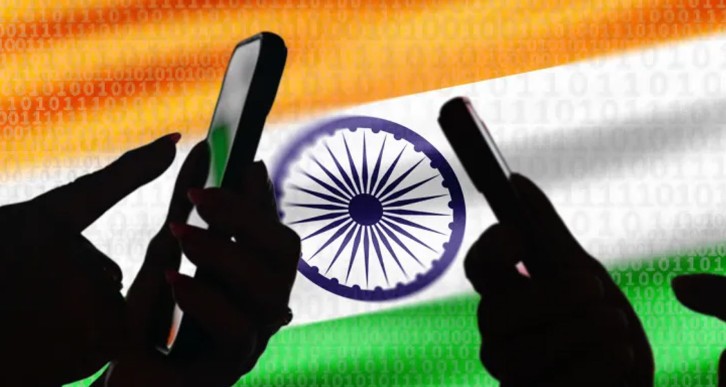
The Indian government has allowed the purchase of surveillance technology developed by Israeli companies, moving away from its policy of using domestically developed technology.
The move has raised concerns among human rights activists that government agencies will gain greater access to citizens' personal phone data, social media activities and online accounts.
The information was revealed in an investigative report by Qatar-based Al Jazeera.
According to the report, the digital rights organisation Internet Freedom Foundation (IFF) uncovered the matter after reviewing a letter signed by Indian Home Minister Amit Shah. The letter, dated January 7, granted a one-year exemption for the purchase of foreign technology products, allowing the procurement of at least 422 foreign forensic tools.
Among these technologies are mobile phone data extraction and surveillance tools developed by Israeli company Cellebrite.
In another letter dated January 20, India's National Investigation Agency (NIA) was authorised to purchase Cellebrite's premium tool under a three-year licence at a cost of around 5 crore rupees.
The investigation found that these technologies can extract data from mobile phones without passwords and recover deleted files. They can also access cloud-based information from platforms such as Instagram, X, Telegram and Tinder. The tools can even collect data from connected devices such as Amazon Alexa and Google Home.
Of the 422 products identified by the IFF, 118 are related to digital and multimedia forensics. Besides Cellebrite, the list includes technologies developed by Magnet, MSAB, Oxygen Forensics and Belkasoft.
Brinda Bhandari, a Supreme Court lawyer and digital rights expert in India, said the scope of surveillance in the country was expanding. She noted that existing laws do not clearly specify whether authorities can break passwords on seized phones to extract all data or access cloud accounts.
In 2017, India's Supreme Court recognised the right to privacy as a fundamental right. However, experts believe that effective parliamentary and judicial oversight of surveillance activities remains lacking.
Earlier, allegations emerged that Israeli-made Pegasus spyware had been used to target Indian journalists, activists and political opposition figures.
The Indian government has consistently denied allegations of unauthorised surveillance. The NIA, Home Ministry and relevant state governments were approached for comments on the latest technology purchases, but no responses had been received at the time of publication.
Source: Al Jazeera
-MT

Loading...
Loading...
Also read









Editor : Iqbal Sobhan Chowdhury
Published by the Editor on behalf of the Observer Ltd. from Globe Printers, 24/A, New Eskaton Road, Ramna, Dhaka.
Editorial, News and Commercial Offices : Aziz Bhaban (2nd floor), 93, Motijheel C/A, Dhaka-1000.
Phone: PABX- 41053001-06; Advertisement: 41053012; 01793317829, 01550707291, 01550707296
E-mail: [email protected], [email protected]. [email protected], [email protected], [email protected], [email protected], Online-email: [email protected]


