



| HEADLINE |

|

13 infants contract measles in womb in US, vaccination urged
Published : Thursday, 19 November, 2026 at 1:16 PM
Observer Online Report


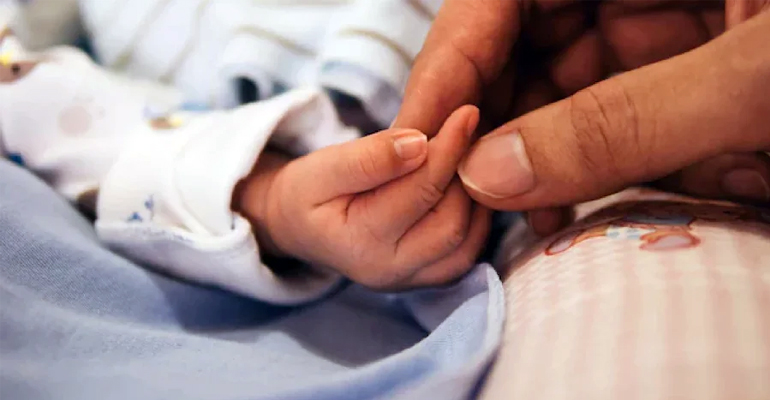
Collected Photo
Thirteen newborns in the United States have been diagnosed with congenital measles shortly after birth following maternal infections during pregnancy, according to a new study highlighting growing public health concerns.
Published on November 16, 2026, in New England Journal of Medicine Evidence, the preliminary analysis found that 112 pregnant women contracted measles between January 2025 and September 2026, resulting in 13 confirmed cases of congenital infection.
Of the affected pregnant women, 110 were either unvaccinated or had unknown vaccination status. Twenty-six women required hospitalization for reasons unrelated to childbirth, with 11 developing pneumonia, two experiencing respiratory complications, and one admitted to an intensive care unit (ICU).
The study documented outcomes for 21 pregnancies within 14 days of symptom onset in the mother, recording two miscarriages. Among the remaining 19 infants, eight were born preterm and eight required admission to a neonatal intensive care unit (NICU). Out of 16 newborns tested within 10 days of birth, 13 tested positive for measles via PCR.
Congenital measles refers to infection acquired in utero following maternal illness, confirmed through clinical or laboratory evidence within a set window after birth—typically a positive PCR test or the onset of fever and rash within 10 days of delivery. However, the U.S. currently lacks a standardized national surveillance definition for congenital measles.
Medical experts warn that measles during pregnancy elevates risks of maternal pneumonia, miscarriage, stillbirth, preterm birth, and low birth weight, while infants may face fever, rash, jaundice, pneumonia, and neurological complications. Physicians Sabine Kapasi and Aishwarya R. noted that the virus can transmit from mother to fetus across the placenta.
Vaccination Urged Before Pregnancy
Healthcare professionals advise individuals planning a pregnancy to review their immunization history and immunity beforehand. Kapasi noted that those needing protection should receive the MMR (measles, mumps, and rubella) vaccine prior to conception, as it contains live attenuated virus and is not recommended during pregnancy. Pregnancy is generally advised to be avoided for 28 days following vaccination.
Pregnant individuals exposed to measles should seek prompt medical evaluation. Clinicians may consider administering immune globulin (IG) to provide temporary antibody protection depending on exposure timing and risk, whereas the MMR vaccine should not be given during pregnancy.
Experts emphasized that safeguarding mothers protects future generations, adding that preventing infection through vaccination is far safer than managing measles complications during pregnancy.
-EM

Loading...
Loading...
Also read





Editor : Iqbal Sobhan Chowdhury
Published by the Editor on behalf of the Observer Ltd. from Globe Printers, 24/A, New Eskaton Road, Ramna, Dhaka.
Editorial, News and Commercial Offices : Aziz Bhaban (2nd floor), 93, Motijheel C/A, Dhaka-1000.
Phone: PABX- 41053001-06; Advertisement: 41053012; 01793317829, 01550707291, 01550707296
E-mail: [email protected], [email protected]. [email protected], [email protected], [email protected], [email protected], Online-email: [email protected]


