



| HEADLINE |

|

Sweden Aslam: Rise, ruin and re-arrest
Published : Tuesday, 24 November, 2026 at 12:00 AM
M A Latif


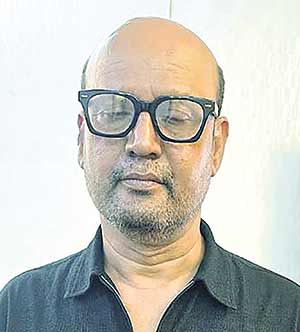 For decades, the name Sheikh Mohammad Aslam, widely known as Sweden Aslam, has been associated with Dhaka’s violent criminal underworld. His alleged involvement in murder, extortion, armed clashes and turf wars made him one of the most notorious figures in the capital’s crime history.
From the bloody territorial rivalries of the 1980s and 1990s to nearly three decades in prison, Aslam’s criminal history reflects a turbulent period when armed gangs and competing networks exercised considerable influence over commercial and residential neighbourhoods.
His latest arrest at Hazrat Shahjalal International Airport on November 22 has once again brought the former underworld figure into the spotlight, raising questions about whether criminal networks associated with him have re-emerged following his release from prison.
Rise in Dhaka’s underworld
Aslam reportedly began building his influence in the mid-1980s, particularly in Rajabazar, Indira Road, Farmgate, Karwan Bazar and surrounding areas.
His name first came to prominence following allegations of involvement in the killing of a teenage boy, Shakil, in East Rajabazar in 1987. The incident reportedly marked the beginning of his rise amid growing gang violence in the capital.
During the 1980s and 1990s, control over markets, business establishments, transport activities and residential neighbourhoods became a major source of conflict among rival criminal groups. Extortion, armed confrontations and killings became recurring features of the underworld.
Aslam gradually emerged as an influential figure in this environment. His name was subsequently linked to several murder cases, including the killings of Shakil and Rana.
His reported association with another notorious criminal, Pichchi Hannan, further strengthened his position in the underworld. Their alleged network operated in and around Karwan Bazar and neighbouring areas, where rivalries over territorial control frequently turned violent.
Arrest and 27 years in prison
Aslam was arrested on May 26, 1997, following the killing of Jubo League leader Galib. His arrest marked the beginning of an extraordinary period behind bars.
According to published reports, he faced 22 criminal cases, including nine murder cases. The cases went through different stages of judicial proceedings, with some resulting in convictions and others ending in acquittals, discharge orders or bail.
He was eventually transferred to Kashimpur High-Security Central Jail in Gazipur, where he spent much of his prolonged incarceration.
Despite his imprisonment, allegations occasionally surfaced that associates maintained links with him and that criminal activities connected to his network continued outside prison. Such claims raised questions about the ability of organised criminal groups to survive through local connections and loyal associates even after their alleged leaders were detained.
Release and renewed controversy
On September 3, 2024, Aslam walked out of Kashimpur High-Security Central Jail on bail after spending 27 years behind the bars.
His release followed legal proceedings in the remaining cases, including the murder case involving Galib, whose trial had reportedly remained incomplete for years.
His return to society renewed concerns about the possible revival of old criminal networks in Karwan Bazar, Tejgaon and surrounding areas.
After his release, his name reportedly surfaced in complaints and allegations involving extortion, intimidation and the operation of illegal detention or torture facilities. Concerns were also raised about the activities of alleged associates.
However, these allegations require independent investigation and judicial scrutiny and cannot be treated as established facts without legal findings.
Airport arrest brings him back into focus
The latest development came on Sunday night, November 22, when Aslam was detained at Hazrat Shahjalal International Airport while preparing to travel to Thailand on a Thai Airways flight.
Immigration authorities reportedly stopped him during departure procedures after finding that his passport had been blocked. He was subsequently handed over to the Detective Branch (DB) of Dhaka Metropolitan Police.
DB Chief Additional Police Commissioner Md Shafiqul Islam confirmed the arrest on Monday, November 23, saying Aslam had been taken to the DB office for interrogation.
Police sources said law enforcement agencies had been monitoring his movements and possible overseas travel plans. Further legal action would depend on the investigation and the status of relevant cases and allegations.
A wider challenge for law enforcement
Aslam’s latest arrest has revived a broader debate over Dhaka’s persistent struggle with organised crime. Over the decades, several influential underworld figures have been arrested or imprisoned, but criminal networks have often continued through associates, financial interests and local power structures.

Loading...
Loading...
Also read



Editor : Iqbal Sobhan Chowdhury
Published by the Editor on behalf of the Observer Ltd. from Globe Printers, 24/A, New Eskaton Road, Ramna, Dhaka.
Editorial, News and Commercial Offices : Aziz Bhaban (2nd floor), 93, Motijheel C/A, Dhaka-1000.
Phone: PABX- 41053001-06; Advertisement: 41053012; 01793317829, 01550707291, 01550707296
E-mail: [email protected], [email protected]. [email protected], [email protected], [email protected], [email protected], Online-email: [email protected]


