



| HEADLINE |

|

India among dozens facing fresh US tariffs over industrial subsidies
Published : Wednesday, 25 November, 2026 at 10:05 AM
Observer Online Report


Collected Photo
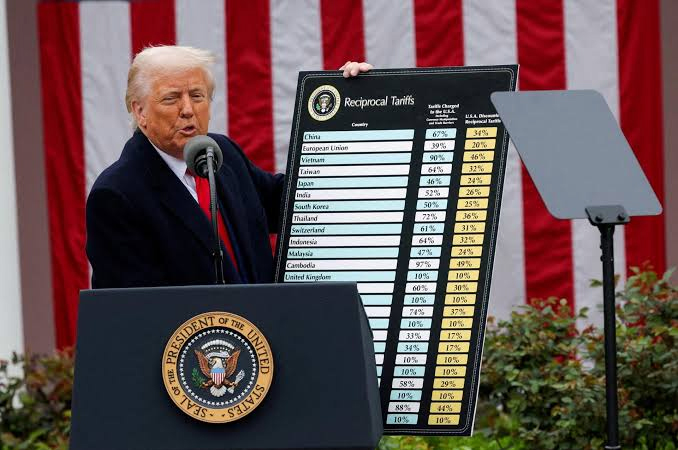
India and dozens of other countries face a fresh round of US tariffs as President Donald Trump's administration prepares to act against foreign industrial subsidies that Washington alleges are hurting American companies, according to a report by The Wall Street Journal.
The proposed levies are expected to target major economies including China, India, Japan, South Korea, and the European Union (EU) following a months-long trade investigation. US Trade Representative (USTR) Jamieson Greer is anticipated to unveil the findings of the probe this week.
Bloomberg reported that the United States could announce the new duties as early as Tuesday (November 24), though neither the White House nor the USTR has issued an official comment on the reports so far.
According to The Wall Street Journal, Greer argued that state subsidies and government support have created excess industrial manufacturing capacity in the targeted nations, enabling their companies to flood global markets with low-priced goods at the expense of US producers.
The USTR's upcoming announcement could trigger steep tariffs covering the bulk of exports from the targeted countries. However, certain industrial goods-such as steel, aluminium, and automobiles, may be excluded, as they are already subject to separate duties imposed under national security statutes.
While final tariff rates remain unclear, administration officials have repeatedly indicated plans to mirror the tariff levels Trump introduced in 2025 before the US Supreme Court struck down his initial round of duties in February 2026.
The move follows a separate USTR investigation concluded in July into forced labour in foreign supply chains, which justified tariffs of 10 to 12.5 per cent on dozens of trading partners. All 16 economies under scrutiny in the excess-capacity probe were included on that earlier list, meaning the new levies could be stacked atop the duties announced in July.
Meanwhile, India and the United States have been negotiating an interim bilateral trade agreement for several months. Although a framework was finalized in February, discussions were reopened after the Supreme Court invalidated tariffs previously imposed under the International Emergency Economic Powers Act. Under the proposed deal, New Delhi is seeking lower tariff rates for its exports in the US market compared to rival manufacturing hubs such as Bangladesh, Vietnam, and Cambodia.
-EM
-EM

Loading...
Loading...
Also read








Editor : Iqbal Sobhan Chowdhury
Published by the Editor on behalf of the Observer Ltd. from Globe Printers, 24/A, New Eskaton Road, Ramna, Dhaka.
Editorial, News and Commercial Offices : Aziz Bhaban (2nd floor), 93, Motijheel C/A, Dhaka-1000.
Phone: PABX- 41053001-06; Advertisement: 41053012; 01793317829, 01550707291, 01550707296
E-mail: [email protected], [email protected]. [email protected], [email protected], [email protected], [email protected], Online-email: [email protected]


