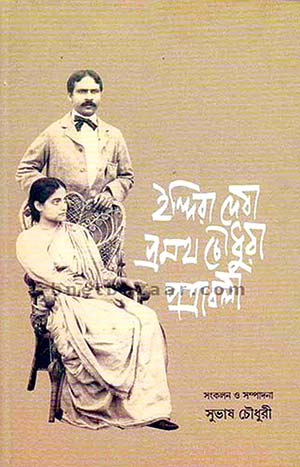
Bengali literature denotes the body of writings in the Bengali language. The earliest extant work in Bengali literature is the Charyapada, a collection of Buddhist mystic songs dating back to the 10th and 11th centuries. Thereafter, the timeline of Bengali literature is divided into two periods ? medieval and modern. Medieval Bengali literature consists of various poetic genres, including Hindu religious scriptures, Islamic epics of Syed Sultan and Abdul Hakim, translations of Sanskrit, Vaishnava texts and secular texts by Muslim poets. Novels were introduced to Bengali literature in the mid-19th century. Rabindranath Tagore, poet, playwright, novelist, painter, essayist, musician, and social reformer, is the best known figure of Bengali literature to the world. The post-Tagore poets of Buddhadeva Bose's generation never doubted that Tagore was indeed the first 'modern' poet of Bengal and held him in great veneration. At the same time, they were greatly aware of the danger of following him: they would perish under his giant shadow. He gave them the light to see the future, but they knew that they had to strive hard and relentlessly to establish their own voices and identity. They consciously and loudly declared themselves as 'modern', and amazingly it proved to be their time. The Kolkata group Kallol, and the Pragati group in Dhaka were the two most fearless groups. They published controversial authors. Buddhadeva Bose was branded as an "obscene" writer after his first major book of poems, Bandir Bandana, and his first short novel Rajani Holo Utala. He was in his 20s at the time. He also published and edited Pragati from Dhaka in which he promoted very different poets - Jibananda Das, Bishnu Dey and Pramatha Chowdhury. Pramatha Chowdhury was a litterateur, essayist, and one of the architects of Chalita Bhasa, was born in 1868 in Jessore. He was awarded the Jagattarini Gold Medal by Calcutta University (now Kolkata University). Pramatha passed the Entrance examination from Calcutta Hare School and FA from St. Xaviers' College. He stood first class first both in BA honours in Philosophy and MA in English. He was also fluent in French. He went to England to study for the Bar. After becoming a barrister he returned home and joined the Calcutta (now Kolkata) High Court. He married Indira Devi Chowdhurani, a daughter of Satyendranath Tagore. Pramatha Chowdhury served variously as lecturer at Law College, manager of the Tagore Estate and the Dakshineshwar Devottar Estate, but he was more interested in literary pursuits, either editing and publishing journals or writing. He edited and published the monthly journal Sabujpatra, which introduced and popularised Chalita prose, and promoted a host of writers, including Rabindranath Tagore. Many satirical essays of Pramatha Chowdhury, under the pseudonym 'Birbal', were also published in this journal. He was vice president of the Vangiya Sahitya Parishad and president of the All-India Bangiya Sahitya Sammelon in Delhi and the Krishvanagar Babgiya Sahtiya Sammelon. Apart from essays, he also wrote poems and short stories. Among his books are Birbaler Tippani, Rayater Katha, Pramatha Chowdhurir Granthavali, Tel Nun Lakdi, Sonnet Pavchashat, Padacharan, Ahuti, Amader Shiksa, Nana Charcha, Nila Lohit, Nil Lohiter Adi Prem, Ghare Baire, Prachin Hindustan, Galpa Sanggraha, Atmakatha, Char Yeari Katha, Birbaler Halkhata, Nana Katha and others. August 7 marked the 150th birth anniversary of Pramatha Chowdhury. The writer is a freelance contributor.
Published by the Editor on behalf of the Observer Ltd. from Globe Printers, 24/A, New Eskaton Road, Ramna, Dhaka.
Editorial, News and Commercial Offices : Aziz Bhaban (2nd floor), 93, Motijheel C/A, Dhaka-1000. Phone: PABX- 41053001-06; Online: 41053014; Advertisement: 41053012.
E-mail: district@dailyobserverbd.com, news@dailyobserverbd.com, advertisement@dailyobserverbd.com, For Online Edition: mailobserverbd@gmail.com