



| HEADLINE |

|
Liberation War
Jharuarbeel-Padmapukur genocide testifies crimes against humanity
Published : Sunday, 18 April, 2021 at 12:00 AM


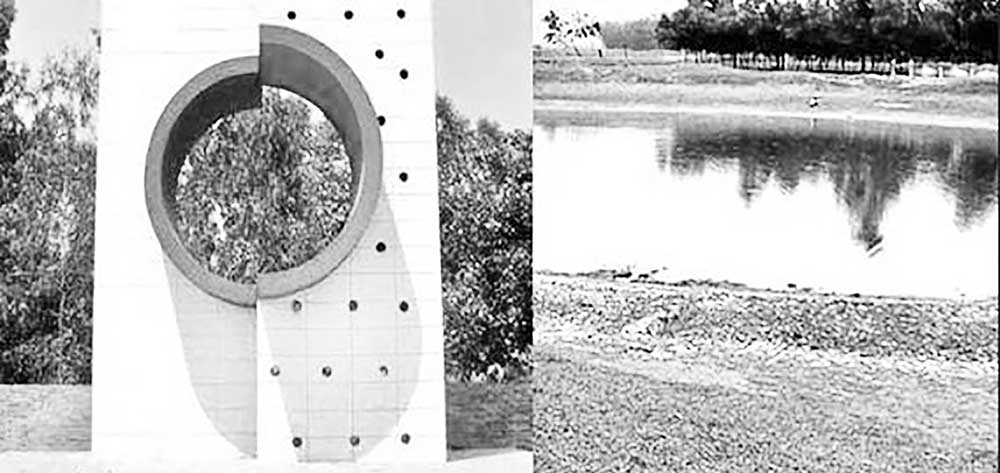 RANGPUR, April 17: The terrified genocide of around 1,200 innocent Bangalees in Badarganj upazila on April 17 in 1971 still testifies the horrific atrocities committed against humanity by the Pakistani occupation forces.
The crimes were committed concurrently when the provisional government of Bangladesh was taking oath at Baiddonathtola of present Meherpur district to give the history of Independence and War of Liberation a decisive dimension.
"The genocide was committed when the National Flag with the Map of Bangladesh was being hoisted on that day at Baiddonathtola in presence of freedom fighters (FFs) and journalists," said former District Muktijoddha Commander Mosaddek Hossain Bablu.
"Thousands of the Pakistani occupation forces with local war criminals, collaborators, razakars, al-badars and al-shams came to Badarganj from Parbatipur by a train in the morning on April 17 in 1971," Bablu said.
They instantly encircled Ghatabeel, Ramkrishnapur, Bansbari, Baniapara, Khoddabagbar, Msandoba Bakshiganj, Boiragipara, Dakshin Buzruk, Buzruk Hajipur, Khalisha Hajipur, Taxerhat, Kishamat Ghatabeel, Konapara, Mandalpara, Goydapara, Kuthirpara, Khiarpara, Telipara, Bozarapara, Kamarpara, Sarkerpara, Khijirerpara, Maddyapara, Balapara, Bittipara, Bagbar, Sarderpara and other adjoining villages.
The occupation army with local collaborators started indiscriminate killing of the Bangalee men, women, and children irrespective of caste, creed and religion, set fire and looted properties, raped, violated and tortured many daughters of the soil till noon.
"Later, they caught some 1,200 innocent Bangalees of all ages, took them to nearby Padmapukur and Jharuarbeel and opened brass fire killing them on the spot defeating all previous atrocities committed against humanity in the past world history," Bablu said.
Talking to BSS, veteran freedom fighter Majibar Rahman master and elderly people said the whole area turned into a mass slaughtering ground when fresh bloods of the innocent Bangalees flowed turning the grasses and waters there into red.
"The dead bodies were scattered all- around and the killers had been charging bayonets to the injured Bangalees to ensure their deaths amid cracking sounds of wounds when the whole nature became silent observing the unthinkable atrocities," Master said.
On charges of committing genocide at Padmapukur and Jharuarbeel areas alongwith other war crimes, the International War Crimes Tribunal has already sentenced Assistant Secretary General of Jamaat-e-Islami ATM Azharul Islam of Badarganj to death.
After conducting researches, Rangpur district administration collected names of about 400 of the martyrs of the genocide and included in the book 'History of Rangpur District' published by the district administration in 2000.
Former Rangpur city Muktijoddha Commander Sadrul Alam Dulu narrated the atrocities committed there by the Pakistani occupation forces with local collaborators and demanded immediate completion of the trial of all war criminals.
Valiant FFs Abdus Sattar, Professor Anwarul Islam, Professor Messer Uddin and Comrade Altaf Hossain (CPB leader) also described the horrendous crimes committed there against humanity on that day in Badarganj upazila.
"Parbotipur was strongholds of the occupation forces, anti-liberation forces and non-Bengali Beharis then and they had been committing frequent genocides in the region starting from there in 1971," Professor Islam said.
The Pakistani occupation forces with their local collaborators razakars, al-badars, al-shams and non-Bengali Beharis committed one of the biggest genocides in the world history at Jharuarbeel- Padmapukur in Badarganj upazila on that day.
"The Ministry of Liberation War Affairs' through the Local Government Division has constructed 'Shadhinota Smritistambha' at Jharuarbeel- Padmapukur Baddhyabhumi to make the martyrs immortal and pay due respect to them," he added. -BSS
Loading...
Loading...
Also read



Editor : Iqbal Sobhan Chowdhury
Published by the Editor on behalf of the Observer Ltd. from Globe Printers, 24/A, New Eskaton Road, Ramna, Dhaka.
Editorial, News and Commercial Offices : Aziz Bhaban (2nd floor), 93, Motijheel C/A, Dhaka-1000.
Phone: PABX- 41053001-06; Advertisement: 41053012; 01793317829, 01550707291, E-mail: [email protected], [email protected] Online: email: [email protected] 41053014; 01550707297 Advertisement: 01550707296
Published by the Editor on behalf of the Observer Ltd. from Globe Printers, 24/A, New Eskaton Road, Ramna, Dhaka.
Editorial, News and Commercial Offices : Aziz Bhaban (2nd floor), 93, Motijheel C/A, Dhaka-1000.
Phone: PABX- 41053001-06; Advertisement: 41053012; 01793317829, 01550707291, E-mail: [email protected], [email protected] Online: email: [email protected] 41053014; 01550707297 Advertisement: 01550707296


