



| HEADLINE |

|
Tips to stay hydrated even during winter
Published : Tuesday, 21 January, 2025 at 7:06 PM
Anika Fatima


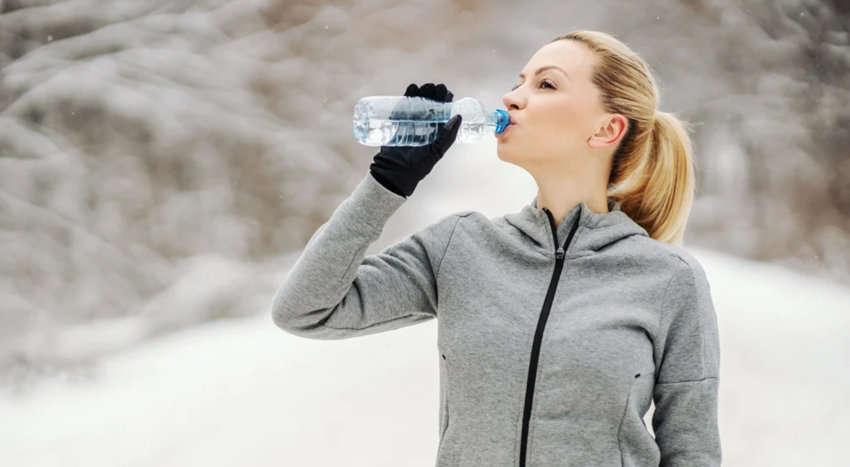
Photo: Collected
Dehydration is a common health concern that most people associate with the hot summer months. However, it can be just as dangerous during the winter, when the cold weather can mask the signs of dehydration. During this time, people tend to drink less water, unaware that they are still losing fluids through respiration, perspiration, and the dry indoor heat. Dehydration in winter can lead to a variety of health issues such as headaches, fatigue, dry skin, and even more serious complications if not managed properly. Understanding the importance of hydration during this season and adopting simple strategies to ensure you stay hydrated can go a long way in protecting your health.
As temperatures drop, many of us crave warm beverages and comfort foods. The instinct to drink a hot cup of coffee or tea is strong, but while these may provide temporary warmth and comfort, they can also contribute to dehydration. Caffeinated beverages are diuretics, meaning they increase urine production and cause the body to lose fluids more rapidly. Additionally, the dry indoor air, often due to heating systems, can lead to moisture loss from the skin and respiratory system, further exacerbating dehydration risks.
As temperatures drop, many of us crave warm beverages and comfort foods. The instinct to drink a hot cup of coffee or tea is strong, but while these may provide temporary warmth and comfort, they can also contribute to dehydration. Caffeinated beverages are diuretics, meaning they increase urine production and cause the body to lose fluids more rapidly. Additionally, the dry indoor air, often due to heating systems, can lead to moisture loss from the skin and respiratory system, further exacerbating dehydration risks.

Photo: Collected
It�s essential to recognize that dehydration isn�t always immediately noticeable. Unlike the intense thirst we feel in the summer, the body�s thirst signals can be subdued in colder weather. However, dehydration still affects body functions, from circulation to digestion, and can contribute to more severe conditions if not addressed.
One effective way to stay ahead of dehydration is by following the "2-hour hydration rule. Nutritionist recommends consuming one glass of water every two hours throughout the day. With an average of 8 hours of sleep per night, this leaves you with 16 waking hours, during which you can comfortably drink 8 glasses of water. This simple routine ensures that you consistently consume the recommended amount of fluids, even during the cold months when the urge to drink water may not be as strong.
To make this method even more effective, set reminders on your phone or use an app to track your hydration levels. The key is consistency� regular hydration will support the body�s natural functions and help you maintain optimal health.
One effective way to stay ahead of dehydration is by following the "2-hour hydration rule. Nutritionist recommends consuming one glass of water every two hours throughout the day. With an average of 8 hours of sleep per night, this leaves you with 16 waking hours, during which you can comfortably drink 8 glasses of water. This simple routine ensures that you consistently consume the recommended amount of fluids, even during the cold months when the urge to drink water may not be as strong.
To make this method even more effective, set reminders on your phone or use an app to track your hydration levels. The key is consistency� regular hydration will support the body�s natural functions and help you maintain optimal health.
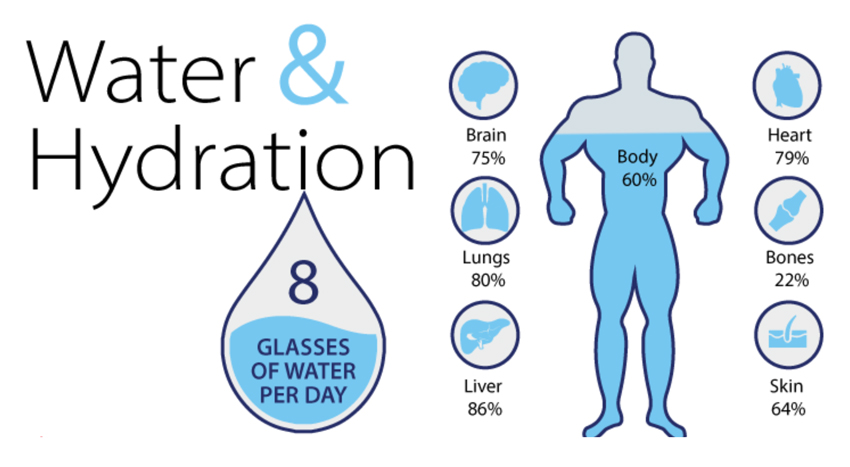
Photo: Collected
While water is the cornerstone of hydration, there are other ways to keep your fluid intake up in the winter. The cold weather is the perfect time to enjoy warm beverages and foods that contribute to your hydration while also providing comfort and warmth. Here are some simple suggestions for staying hydrated this winter:
�In winter, swap out ice-cold water for warm beverages. Hot drinks like herbal tea, hot chocolate and even warm lemon water not only hydrate but also promote a sense of relaxation and warmth. Herbal teas such as chamomile, peppermint, or ginger are great options because they are caffeine-free and can aid digestion as well. A cup of warm water with lemon can provide a refreshing start to the day, while also offering a dose of vitamin C to boost your immune system.
�Soups are a fantastic way to stay hydrated, especially in the colder months. A bowl of hot soup, whether it�s a vegetable soup, chicken broth, or lentil soup, is not only comforting but also rich in fluids. Soups often contain water or other hydrating ingredients, which can contribute significantly to your daily fluid intake. Including vegetables like carrots, spinach, and tomatoes in your soups will also provide essential nutrients that help maintain overall health and hydration.
�While hot beverages are comforting, certain drinks can actually dehydrate the body. Caffeinated drinks like coffee, cappuccino, and energy drinks should be consumed in moderation, as they are diuretics that encourage the body to expel more fluids. If you enjoy a cup of coffee, make sure to balance it out with plenty of water to counteract the dehydrating effects.
�In addition to drinking fluids, many foods have high water content and can help hydrate the body. Fruits and vegetables like cucumbers, oranges, and tangerine are excellent options for hydration. Although these might not be as popular in winter as they are in summer, they can be incorporated into meals and snacks in creative ways. For instance, a hearty salad with leafy greens, tomatoes, and cucumbers, or a fruit salad with citrus fruits, can still be refreshing and hydrating.
�Indoor heating systems often strip the air of moisture, contributing to dehydration. To mitigate this, consider using a humidifier in your home, particularly in areas where you spend a lot of time. This will add moisture to the air, helping to prevent your skin and respiratory system from drying out. It�s a small adjustment that can make a big difference in maintaining hydration levels.
�Even during the winter, it�s important to be aware of the signs of dehydration. If you begin to notice symptoms like dry skin, headaches, dizziness, fatigue, or darker-than-normal urine, it may be time to increase your fluid intake. Dehydration can have subtle effects, so it's crucial to listen to your body and act quickly to address any signs of fluid imbalance.
While winter may not immediately seem like a season for dehydration, the risks are just as real as in the summer months. Staying hydrated during the colder weather requires conscious effort, but it doesn�t have to be complicated. By incorporating a variety of hydrating fluids like warm teas, soups, and water into your daily routine, you can ensure that your body stays hydrated, healthy, and comfortable. Following simple hydration habits, such as the 2-hour hydration rule, can significantly contribute to your overall well-being.
Remember, hydration is key, no matter the season!
�In winter, swap out ice-cold water for warm beverages. Hot drinks like herbal tea, hot chocolate and even warm lemon water not only hydrate but also promote a sense of relaxation and warmth. Herbal teas such as chamomile, peppermint, or ginger are great options because they are caffeine-free and can aid digestion as well. A cup of warm water with lemon can provide a refreshing start to the day, while also offering a dose of vitamin C to boost your immune system.
�Soups are a fantastic way to stay hydrated, especially in the colder months. A bowl of hot soup, whether it�s a vegetable soup, chicken broth, or lentil soup, is not only comforting but also rich in fluids. Soups often contain water or other hydrating ingredients, which can contribute significantly to your daily fluid intake. Including vegetables like carrots, spinach, and tomatoes in your soups will also provide essential nutrients that help maintain overall health and hydration.
�While hot beverages are comforting, certain drinks can actually dehydrate the body. Caffeinated drinks like coffee, cappuccino, and energy drinks should be consumed in moderation, as they are diuretics that encourage the body to expel more fluids. If you enjoy a cup of coffee, make sure to balance it out with plenty of water to counteract the dehydrating effects.
�In addition to drinking fluids, many foods have high water content and can help hydrate the body. Fruits and vegetables like cucumbers, oranges, and tangerine are excellent options for hydration. Although these might not be as popular in winter as they are in summer, they can be incorporated into meals and snacks in creative ways. For instance, a hearty salad with leafy greens, tomatoes, and cucumbers, or a fruit salad with citrus fruits, can still be refreshing and hydrating.
�Indoor heating systems often strip the air of moisture, contributing to dehydration. To mitigate this, consider using a humidifier in your home, particularly in areas where you spend a lot of time. This will add moisture to the air, helping to prevent your skin and respiratory system from drying out. It�s a small adjustment that can make a big difference in maintaining hydration levels.
�Even during the winter, it�s important to be aware of the signs of dehydration. If you begin to notice symptoms like dry skin, headaches, dizziness, fatigue, or darker-than-normal urine, it may be time to increase your fluid intake. Dehydration can have subtle effects, so it's crucial to listen to your body and act quickly to address any signs of fluid imbalance.
While winter may not immediately seem like a season for dehydration, the risks are just as real as in the summer months. Staying hydrated during the colder weather requires conscious effort, but it doesn�t have to be complicated. By incorporating a variety of hydrating fluids like warm teas, soups, and water into your daily routine, you can ensure that your body stays hydrated, healthy, and comfortable. Following simple hydration habits, such as the 2-hour hydration rule, can significantly contribute to your overall well-being.
Remember, hydration is key, no matter the season!
The writer is Editorial Assistant at The Daily Observer and Graduate Student of Stamford University Bangladesh
Loading...
Loading...
Also read









Editor : Iqbal Sobhan Chowdhury
Published by the Editor on behalf of the Observer Ltd. from Globe Printers, 24/A, New Eskaton Road, Ramna, Dhaka.
Editorial, News and Commercial Offices : Aziz Bhaban (2nd floor), 93, Motijheel C/A, Dhaka-1000.
Phone: PABX- 41053001-06; Advertisement: 41053012; 01793317829, 01550707291, E-mail: [email protected], [email protected] Online: email: [email protected] 41053014; 01550707297 Advertisement: 01550707296
Published by the Editor on behalf of the Observer Ltd. from Globe Printers, 24/A, New Eskaton Road, Ramna, Dhaka.
Editorial, News and Commercial Offices : Aziz Bhaban (2nd floor), 93, Motijheel C/A, Dhaka-1000.
Phone: PABX- 41053001-06; Advertisement: 41053012; 01793317829, 01550707291, E-mail: [email protected], [email protected] Online: email: [email protected] 41053014; 01550707297 Advertisement: 01550707296


