



| HEADLINE |

|
DU’s ‘General Student’ politics masks violence
Published : Tuesday, 19 August, 2025 at 5:09 PM
Niemur Rahman Emon


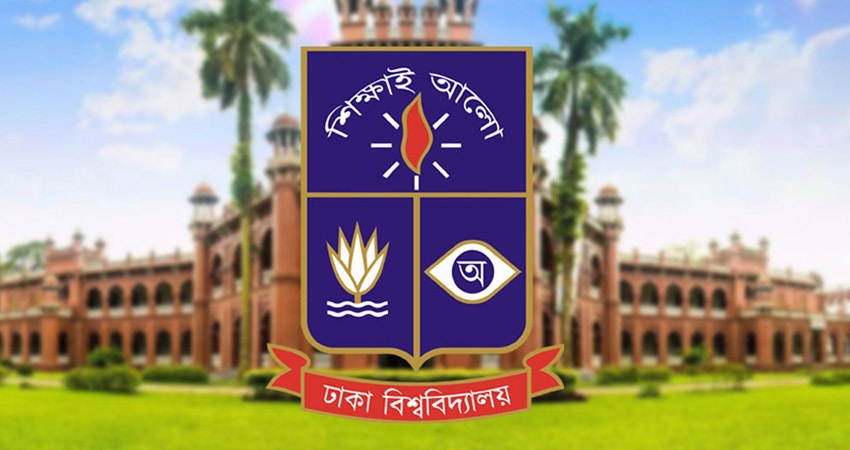
What began as hopeful calls for reform during the 2024 quota protests has, a year later, given way to a disturbing reality at Dhaka University (DU), a cycle of crude bombings, mob justice and militant factionalism that has left the campus deeply fractured.
The July 2024 student uprising initially captured the nation’s imagination, promising change and an end to discriminatory quota systems. But instead of unity and progress, the university is now haunted by the sounds of factional clashes and violence. The once spirited demands for reform have been overtaken by political infighting and bloodshed.
“We joined the quota protests hoping for a better campus, free from violence and politics. But now it feels like fear rules everything. Crude bombs, mobs… studying has become impossible”, said Sabbir Hossain, third-year student.
On 5 August 2025, DU’s Islami Chhatra Shibir unit organised a three-day exhibition at the Teacher-Student Centre (TSC) titled “36 July: We Will Not Stop”, commemorating the July uprising. The event sparked outrage when it displayed photographs of eight convicted war criminals, including Motiur Rahman Nizami, Abdul Quader Molla, Mir Quasem Ali and others sentenced by the International Crimes Tribunal.
Left-leaning student groups and many general students condemned the exhibition as a gross insult to the Liberation War’s memory. Protests erupted immediately, demanding the removal of the photos, a formal apology from Shibir and an explanation from university authorities. The administration swiftly removed the images but the incident deepened campus divisions.
“Seeing war criminals’ photos displayed on campus was shocking and hurtful. It felt like a betrayal of our nation’s history and the sacrifices made in 1971”, said Haseebul Islam, DU psychology department student
Violence has become a grim hallmark of DU’s political landscape. On 13 May 2025, Shahriar Alam Shammo, a hall-level student leader, was fatally stabbed near Suhrawardy Udyan, triggering protests led by the Jatiyatabadi Chhatra Dal (JCD).
Eight months earlier, Tofazzal Hossain was lynched by a mob at Fazlul Huq Muslim Hall over theft allegations, resulting in multiple arrests. These incidents highlight how mob justice and factional violence have poisoned campus life.
Reports suggest that Chhatra Dal seeks to advance a political agenda under the guise of an 'Anti-Terrorism Students' banner. Rights groups warn that manipulated online rumors and videos have repeatedly fueled these violent outbreaks, revealing a troubling pattern of social media-driven vigilantism.
On 16 June 2025, two crude bombs exploded on campus, with several more unexploded devices discovered. Students called for tighter security but the blasts only exacerbated existing rivalries, with factions blaming each other. Authorities linked the bombings to organised political intimidation, underscoring how student wings wield fear as a weapon.
The campus is not only a battleground of physical violence but also digital suppression. Since the 2024 protests, the government has imposed frequent internet shutdowns and throttled social media platforms. Journalists and students face harassment, cyberbullying and censorship, with protest content repeatedly removed from Facebook, YouTube and TikTok. The message is clear: dissent is not tolerated, even online.
Amid this turmoil, the reformist energy of 2024’s uprising has largely dissipated. The Bangladesh Ganotantrik Chhatra Sangsad (BAGCHAS), formed in February 2025 by leaders from the Students Against Discrimination movement, aimed to channel student activism into positive change. However, their launch was marred by factional clashes, injuries and internal splits over perceived DU-centric control. Several founding members have since been arrested on charges of extortion and violence. Media critics warn that BAGCHAS’s trajectory signals a return to the factionalism it sought to overcome.
“BAGCHAS promised real change, but instead we see the same old factional fights and corruption. It’s frustrating and disheartening for those of us who want progress”, said Nazmus Sakib Adib, final year student.
Control of DU’s 18 residential halls remains a core source of conflict. The Bangladesh Chhatra League (BCL), accused of violently suppressing quota protesters, continues to operate within the university and appear enlisted in DUCSU election voter list draft.
Meanwhile, JCD shocked campus communities on Friday by forming hall committees in 18 DU halls for the first time a year after July Revolution, defying DU’s official ban on hall politics and provoking widespread protests.
Islami Chhatra Shibir retains influence through rallies and public statements, while accusations swirl that groups like Chhatra Adhikar Parishad and individuals such as its president Bin Yamin Molla and Bangla Department student Musaddik Ali Ibn Mohammad act in Shibir’s interests. Rumors also allege that DUCSU vice-presidential candidate Umama Fatema, formerly of the Student Federation, is a follower of Maududi, with the Federation itself viewed as a soft-leftist extension of Shibir.
Amid the political chaos, education has become collateral damage. DU’s academic calendar is repeatedly disrupted by shutdowns, curfews and security threats. Exams are postponed regularly, and many faculties have struggled to complete their syllabus. Students lament that political tensions have eclipsed any focus on academic improvement, leaving their future uncertain.
“The political fights don’t just harm students, they put the entire university’s reputation at risk. We need leaders who focus on education, not power struggles”, said Dip Mallik, third year student.
A year after boldly challenging entrenched systems, Dhaka University finds itself trapped in a vicious cycle of violence, digital repression and fractured activism. The dream of meaningful reform has been overtaken by militant factionalism and political gamesmanship that threaten to undermine the university’s legacy as the country’s premier institution of higher learning.
The pressing question now is not if reform will come but whether Dhaka University can survive long enough to see it.
NRE/NSA
The July 2024 student uprising initially captured the nation’s imagination, promising change and an end to discriminatory quota systems. But instead of unity and progress, the university is now haunted by the sounds of factional clashes and violence. The once spirited demands for reform have been overtaken by political infighting and bloodshed.
“We joined the quota protests hoping for a better campus, free from violence and politics. But now it feels like fear rules everything. Crude bombs, mobs… studying has become impossible”, said Sabbir Hossain, third-year student.
On 5 August 2025, DU’s Islami Chhatra Shibir unit organised a three-day exhibition at the Teacher-Student Centre (TSC) titled “36 July: We Will Not Stop”, commemorating the July uprising. The event sparked outrage when it displayed photographs of eight convicted war criminals, including Motiur Rahman Nizami, Abdul Quader Molla, Mir Quasem Ali and others sentenced by the International Crimes Tribunal.
Left-leaning student groups and many general students condemned the exhibition as a gross insult to the Liberation War’s memory. Protests erupted immediately, demanding the removal of the photos, a formal apology from Shibir and an explanation from university authorities. The administration swiftly removed the images but the incident deepened campus divisions.
“Seeing war criminals’ photos displayed on campus was shocking and hurtful. It felt like a betrayal of our nation’s history and the sacrifices made in 1971”, said Haseebul Islam, DU psychology department student
Violence has become a grim hallmark of DU’s political landscape. On 13 May 2025, Shahriar Alam Shammo, a hall-level student leader, was fatally stabbed near Suhrawardy Udyan, triggering protests led by the Jatiyatabadi Chhatra Dal (JCD).
Eight months earlier, Tofazzal Hossain was lynched by a mob at Fazlul Huq Muslim Hall over theft allegations, resulting in multiple arrests. These incidents highlight how mob justice and factional violence have poisoned campus life.
Reports suggest that Chhatra Dal seeks to advance a political agenda under the guise of an 'Anti-Terrorism Students' banner. Rights groups warn that manipulated online rumors and videos have repeatedly fueled these violent outbreaks, revealing a troubling pattern of social media-driven vigilantism.
On 16 June 2025, two crude bombs exploded on campus, with several more unexploded devices discovered. Students called for tighter security but the blasts only exacerbated existing rivalries, with factions blaming each other. Authorities linked the bombings to organised political intimidation, underscoring how student wings wield fear as a weapon.
The campus is not only a battleground of physical violence but also digital suppression. Since the 2024 protests, the government has imposed frequent internet shutdowns and throttled social media platforms. Journalists and students face harassment, cyberbullying and censorship, with protest content repeatedly removed from Facebook, YouTube and TikTok. The message is clear: dissent is not tolerated, even online.
Amid this turmoil, the reformist energy of 2024’s uprising has largely dissipated. The Bangladesh Ganotantrik Chhatra Sangsad (BAGCHAS), formed in February 2025 by leaders from the Students Against Discrimination movement, aimed to channel student activism into positive change. However, their launch was marred by factional clashes, injuries and internal splits over perceived DU-centric control. Several founding members have since been arrested on charges of extortion and violence. Media critics warn that BAGCHAS’s trajectory signals a return to the factionalism it sought to overcome.
“BAGCHAS promised real change, but instead we see the same old factional fights and corruption. It’s frustrating and disheartening for those of us who want progress”, said Nazmus Sakib Adib, final year student.
Control of DU’s 18 residential halls remains a core source of conflict. The Bangladesh Chhatra League (BCL), accused of violently suppressing quota protesters, continues to operate within the university and appear enlisted in DUCSU election voter list draft.
Meanwhile, JCD shocked campus communities on Friday by forming hall committees in 18 DU halls for the first time a year after July Revolution, defying DU’s official ban on hall politics and provoking widespread protests.
Islami Chhatra Shibir retains influence through rallies and public statements, while accusations swirl that groups like Chhatra Adhikar Parishad and individuals such as its president Bin Yamin Molla and Bangla Department student Musaddik Ali Ibn Mohammad act in Shibir’s interests. Rumors also allege that DUCSU vice-presidential candidate Umama Fatema, formerly of the Student Federation, is a follower of Maududi, with the Federation itself viewed as a soft-leftist extension of Shibir.
Amid the political chaos, education has become collateral damage. DU’s academic calendar is repeatedly disrupted by shutdowns, curfews and security threats. Exams are postponed regularly, and many faculties have struggled to complete their syllabus. Students lament that political tensions have eclipsed any focus on academic improvement, leaving their future uncertain.
“The political fights don’t just harm students, they put the entire university’s reputation at risk. We need leaders who focus on education, not power struggles”, said Dip Mallik, third year student.
A year after boldly challenging entrenched systems, Dhaka University finds itself trapped in a vicious cycle of violence, digital repression and fractured activism. The dream of meaningful reform has been overtaken by militant factionalism and political gamesmanship that threaten to undermine the university’s legacy as the country’s premier institution of higher learning.
The pressing question now is not if reform will come but whether Dhaka University can survive long enough to see it.
NRE/NSA
Loading...
Loading...
Also read



Editor : Iqbal Sobhan Chowdhury
Published by the Editor on behalf of the Observer Ltd. from Globe Printers, 24/A, New Eskaton Road, Ramna, Dhaka.
Editorial, News and Commercial Offices : Aziz Bhaban (2nd floor), 93, Motijheel C/A, Dhaka-1000.
Phone: PABX- 41053001-06; Advertisement: 41053012; 01793317829, 01550707291, E-mail: [email protected], [email protected] Online: email: [email protected] 41053014; 01550707297 Advertisement: 01550707296
Published by the Editor on behalf of the Observer Ltd. from Globe Printers, 24/A, New Eskaton Road, Ramna, Dhaka.
Editorial, News and Commercial Offices : Aziz Bhaban (2nd floor), 93, Motijheel C/A, Dhaka-1000.
Phone: PABX- 41053001-06; Advertisement: 41053012; 01793317829, 01550707291, E-mail: [email protected], [email protected] Online: email: [email protected] 41053014; 01550707297 Advertisement: 01550707296


