



| HEADLINE |

|
How climate change affects women's health
Published : Thursday, 9 October, 2025 at 12:00 AM
PARVEZ BABUL


 Climate change negatively affects women's health by increasing their vulnerability to climate-sensitive diseases, disrupting access to healthcare and reproductive services, intensifying caregiving burdens, and exacerbating existing health inequalities, particularly for women in low- and middle-income countries. Impacts include higher rates of heat-related illnesses, adverse pregnancy outcomes, food insecurity, and mental health challenges.
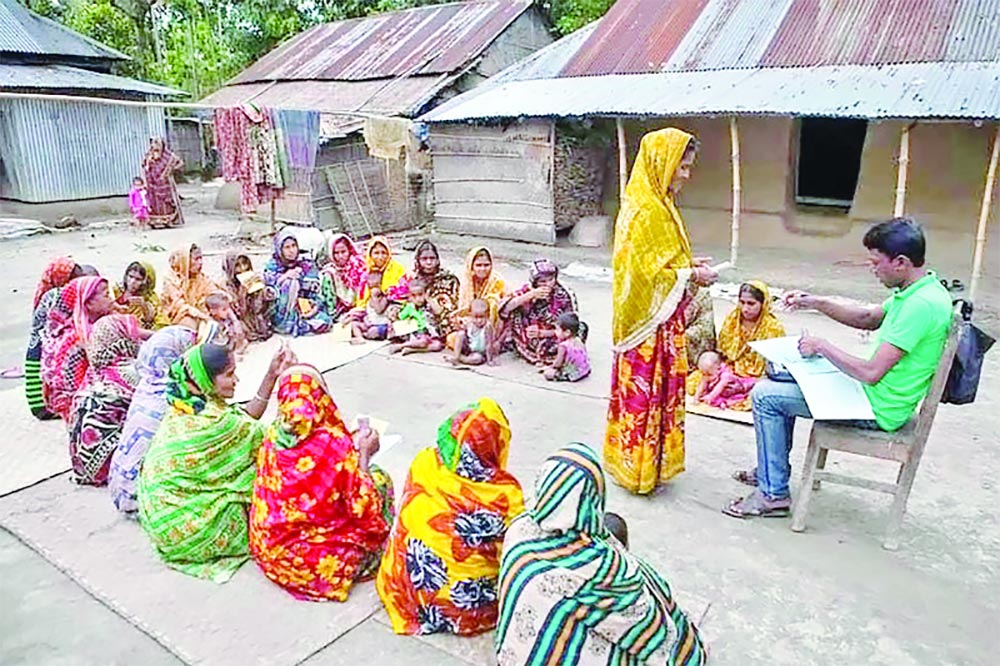
 In addition, women's reproductive health in coastal districts is jeopardized by climate change. It exacerbated by calamities, endangered women and girl's health in many ways.
Those impacts include, increased salinity from rising sea levels contaminating drinking water and causing gynecological infections and pregnancy complications, like pre-eclampsia. It disrupted access to menstrual hygiene products due to water scarcity and climate-induced displacement. Elevated risks of gender-based violence, child marriage, and unsafe abortions as economic and social pressures intensify. A general decline in access to vital healthcare services during climate-related emergencies and migration.
Over 42 million people live in Bangladesh's 19 coastal districts, which are under severe threat from climate change. According to the study of Asian Development Bank (ADB) and others reveals that rising sea levels, salinity, and other impacts could displace 20 million people in the coastal region by 2050.
IMPACTS ON REPRODUCTIVE HEALTH: Specific impacts on reproductive health: Increased salinity and waterborne diseases. High levels of salinity in drinking water from contaminated sources lead to widespread skin diseases. Women face limited access to sanitary products, healthcare services, and safe spaces for menstrual hygiene, further compounding the challenges. Climate-induced displacement and the need to travel long distances for essential services, such as accessing health centers, further compromise reproductive health outcomes.Life-threatening issues and lives and livelihoods of women and girls in the coastal region are in stake.
 The LANCET, an influential British health magazine mentioned that key considerations for research into how climate change affects sexual and reproductive health and rights.Climate change poses urgent threats to health, disproportionately to populations living in low-income and middle-income countries. Yet a key aspect often overlooked is how climate change specifically affects SRHR both directly and indirectly. Climate and SRHR experts observed that the climate crisis is a health crisis. Without considering the role that SRHR play in strengthening individual and community resilience, addressing the health impacts of the climate crisis--responses to climate change would be incomplete and ineffective. Health advocates are essential in advancing SRHR and promoting their integration into climate policy.
 SRHR are integral to universal health coverage (UHC) and must be delivered through accessible, inclusive and climate-resilient health systems. In fact, interconnected system of injustice and inequality, including colonialism, capitalism, and patriarchy, perpetuates health disparities. It is responsible for and compounds the climate crisis. While those most affected by climate impacts have contributed least to the crisis, unfortunately they bear the greatest burden!
INTERSECTIONAL HUMAN RIGHT-BASED APPROACH : Intersectional, human rights-based approach to SRHR and climate change is essential. It must recognize, respond to, and proactively transform systemic barriers and hold accountable the perpetrators who cultivate inequalities. This approach ensures the right to health is enjoyed without discrimination, and addresses the underlying systemic causes of negative health outcomes.
Global and national progress to integrate SRHR into climate action remains insufficient. United Nations Sustainable Development Goals (SDGs) and SRHR are interconnected, as it recognizes SRHR as essential for achieving global health, gender equality, and broader societal development. SRHR is explicitly covered in SDG 5
(Five) (Gender Equality) and other targets, promoting health, educational, economic opportunities and supporting vulnerable populations. Redirecting attention away from the perpetrators of climate change to controlling people's bodies, especially those already in vulnerable situations, will not solve the climate crisis. So advocate for the integration of SRHR in National Adaptation Plansand Health NAPs (HNAPs).
Lip service is not enough. So reproductive health care must wholly commit to language that truly reflects diversity, ensuring no one is made invisible. Thus, we call for clarity, rather than obscure declarations, as the foundation of equitable and inclusive reproductive health care moving forward.
The LANCET, along with other prominent health organizations, highlights the significant impact of climate change on SRHR. Climate-related factors can worsen maternal and neonatal health outcomes, influence contraceptive use, increase the prevalence of gender-based violence. And drive practices like female genital mutilation and child marriage. Addressing these interconnected issues requires comprehensive climate action that includes gender-transformative approaches to protect the SRHR of vulnerable populations.
Climate action plans, such as National Adaptation Plans (NAPs) need to incorporate SRHR, moving beyond a focus on adaptation and including both climate and sexual health components.
There is an urgent need for more cutting-edge research and greater investment in climate adaptation initiatives that address the specific SRHR needs. Community engagement, involving diverse stakeholders, development partners, youth, women's organizations, both men and women, policymakers, and journalists is crucial for developing inclusive and sustainable solutions. The message is clear that if we are not a part of the solution, we are a part of the problem.
The writer is a researcher
Loading...
Loading...
Also read



Editor : Iqbal Sobhan Chowdhury
Published by the Editor on behalf of the Observer Ltd. from Globe Printers, 24/A, New Eskaton Road, Ramna, Dhaka.
Editorial, News and Commercial Offices : Aziz Bhaban (2nd floor), 93, Motijheel C/A, Dhaka-1000.
Phone: PABX- 41053001-06; Advertisement: 41053012; 01793317829, 01550707291, E-mail: [email protected], [email protected] Online: email: [email protected] 41053014; 01550707297 Advertisement: 01550707296
Published by the Editor on behalf of the Observer Ltd. from Globe Printers, 24/A, New Eskaton Road, Ramna, Dhaka.
Editorial, News and Commercial Offices : Aziz Bhaban (2nd floor), 93, Motijheel C/A, Dhaka-1000.
Phone: PABX- 41053001-06; Advertisement: 41053012; 01793317829, 01550707291, E-mail: [email protected], [email protected] Online: email: [email protected] 41053014; 01550707297 Advertisement: 01550707296


