



| HEADLINE |

|
Longevity relies on managing diabetes, hypertension
Published : Saturday, 1 November, 2025 at 12:00 AM
PARVEZ BABUL


 While I was visiting a hospital in Dhaka city recently, I saw women, men and children there to get treatment for the diabetes and hypertension. I talked to a divorced, poor woman of 45 years. She came to the hospital from a remote village in Bangladesh with her daughter.
 She was facing diabetes for more than 15 years, and hypertension too for a decade.In Bangladesh, there are many patients of diabetes and hypertension like her suffering from inadequate treatment due to higher cost and non-friendly environment of health services.
Different studies show that diabetes and hypertension are prevalent non-communicable diseases (NCDs) in Bangladesh. A high and rising prevalence among adults, linked to factors like increasing age, urbanization, and wealth. In 2017, the prevalence was approximately 28 percent for hypertension and 10 percent for diabetes among adults. Though many cases go undiagnosed.
Risk factors such as lifestyle choices, higher BMI, and socioeconomic status play a significant role. Service delivery gaps remain in the health sector.
In Asian countries including Bangladesh, several findings mentioned that diabetes and hypertension are major public health concern. A high prevalence is there, particularly among those with diabetes, due to risk factors like obesity, sedentary lifestyles, and high salt intake. The burden is increasing, and blood pressure control is often inadequate. It causes a higher risk of cardiovascular events, especially stroke, in Asian populations with hypertension compared to other groups.
The prevalence of hypertension is high across Asia, with some studies reporting rates of 70 percent or higher in individuals with diabetes in Southeast Asia. Rapid urbanization, aging populations, and lifestyle changes are contributing to a rising prevalence, particularly in urban areas. The link between high blood pressure and cardiovascular disease is stronger in East Asian individuals compared to those from Australia or New Zealand. Hypertension is a leading risk factor for heart disease, stroke, and chronic kidney disease in the region. It is very common in people with type 2 diabetes, with rates exceeding 50 percent in many South Asian countries.
Higher socioeconomic status is a risk factor in most Asian countries, while lower social class is a risk factor in places like Japan and Australia. Smoking remains a significant issue in several Asian countries. And a higher prevalence is seen among older individuals and those with diabetes for over 10 years.
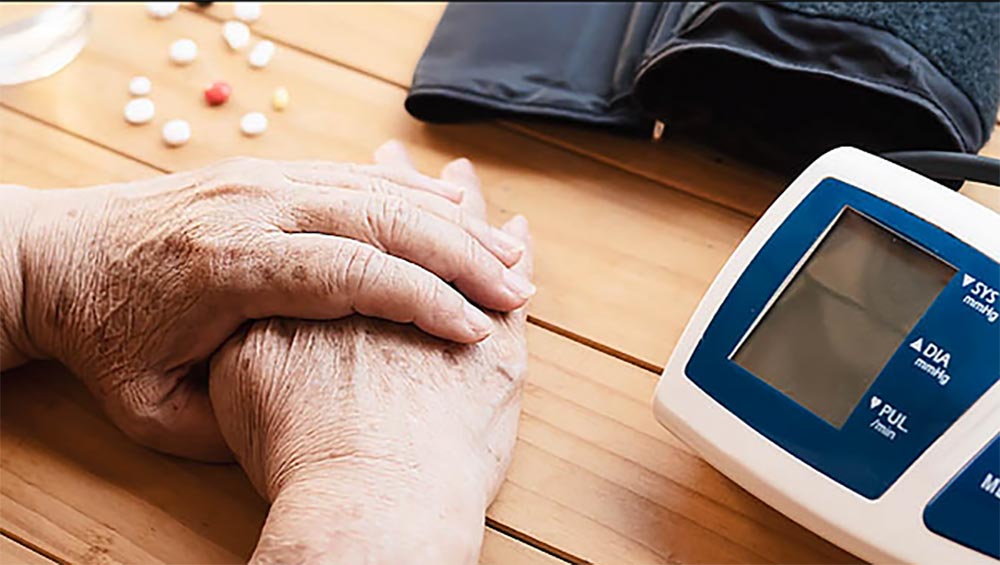 A substantial portion of individuals with hypertension and diabetes do not have their blood pressure adequately controlled, with rates below 40 percent in many Southeast Asian populations. There are gaps in public awareness, treatment rates, and blood pressure control, especially in developing Asian countries.
 Research shows that diabetes and hypertension are significant and increasing health concerns for women in Bangladesh. The prevalence rate is rising, especially in women over 35. Factors contributing to this include rising obesity, a shift to unhealthy diets, sedentary lifestyles, and socioeconomic disparities. Women are also more susceptible to hypertension than men in Bangladesh. The presence of these conditions can lead to pregnancy complications.
Diabetes and hypertension are significant health concerns for women in Bangladesh and Asia, with prevalence rates rising across the region. Risk factors like obesity, a history of preeclampsia, and lifestyle changes due to urbanization contribute to the problem. These conditions often co-occur, with diabetes, in particular, significantly increasing the risk of hypertension in women.
The World Health Organization (WHO) highlights that globally, 422 million people have diabetes and over one billion have hypertension, with cases rising. Non-communicable diseases (NCDs) are the leading cause of death worldwide, with diabetes and hypertension significantly contributing to cardiovascular disease deaths. People in low- and middle-income countries are more likely to die from these conditions, often due to lower access to diagnosis and treatment.
WHO recommends regular screening for complications and self-monitoring of blood glucose for people with diabetes.It advocates for ensuring equitable, comprehensive, and affordable access to diagnosis, treatment, and care for all people with diabetes and hypertension.
Health experts in different seminars and workshops opined that to live longer while managing diabetes and hypertension, focus on a healthy lifestyle with diet, exercise, and weight management. Also need to follow doctor's medical advice.
Key actions include eating a balanced diet low in sugar, salt, and saturated fat, regular physical activity, and not smoking. Consistent self-monitoring and regular check-ups are crucial for keeping blood pressure and blood sugar within a healthy range.
We should focus on the SDGs too specially SDG 3: Good Health and Well-being, which aims to ensure healthy lives and promote well-being for all people at all ages.
The writer is a health, climate change and environment journalist
Loading...
Loading...
Also read



Editor : Iqbal Sobhan Chowdhury
Published by the Editor on behalf of the Observer Ltd. from Globe Printers, 24/A, New Eskaton Road, Ramna, Dhaka.
Editorial, News and Commercial Offices : Aziz Bhaban (2nd floor), 93, Motijheel C/A, Dhaka-1000.
Phone: PABX- 41053001-06; Advertisement: 41053012; 01793317829, 01550707291, E-mail: [email protected], [email protected] Online: email: [email protected] 41053014; 01550707297 Advertisement: 01550707296
Published by the Editor on behalf of the Observer Ltd. from Globe Printers, 24/A, New Eskaton Road, Ramna, Dhaka.
Editorial, News and Commercial Offices : Aziz Bhaban (2nd floor), 93, Motijheel C/A, Dhaka-1000.
Phone: PABX- 41053001-06; Advertisement: 41053012; 01793317829, 01550707291, E-mail: [email protected], [email protected] Online: email: [email protected] 41053014; 01550707297 Advertisement: 01550707296


