



| HEADLINE |

|

NCP's one year journey from streets to JS
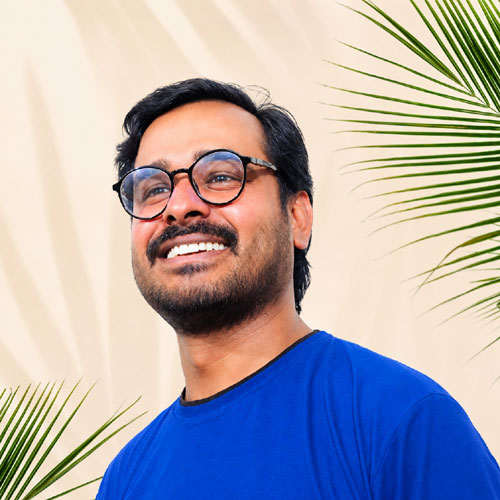


Born out of the July 2024 student uprising against state job quotas, which escalated into nationwide protests and led to the fall of the Awami League government on 5 August, the National Citizen Party (NCP) recently marked its first anniversary, reflecting both symbolic victories and structural challenges.
The party's journey began with the formation of the National Citizen Committee on 8 September 2024, uniting students, academics, and professionals across ideologies. It officially became a political party on 28 February 2025 in Dhaka, under convener Nahid Islam and member secretary Akhtar Hossain. From the outset, the NCP positioned itself as a reformist force and parliamentary actor, pledging to chart a path free from fascism.
Questions Over State Support
Critics continue to question whether the NCP enjoys state backing. Although Nahid Islam resigned from his interim government advisory role to lead the party, two other student advisers reportedly remain in office. Allegations claim administrative resources, including vehicles, were used to mobilise supporters at the party's Dhaka launch. BNP's Iqbal Hasan Mahmud Tuku described the party as operating "under the government's umbrella," while Nagorik Oikya's Mahmudur Rahman Manna and Gono Odhikar Parishad's Nurul Haque Nur referred to it as a "King's Party."
24-Point Manifesto and July March
On 4 August 2025, Nahid Islam unveiled a 24-point manifesto advocating a Second Republic through a new constitution, trials for the July coup, and democratic reforms. To translate its agenda into grassroots legitimacy, the party organised the Desh Garte July Padajatra (July March to Build the Nation), traversing all 64 districts to engage citizens directly in dialogue on democracy, justice, and equality.
Alliances, Electoral Performance, and Internal Challenges
Within months, the NCP sought alliances, first with BNP and Jamaat, then with nine other parties, ultimately forming a three-party Democratic Reform Alliance and later joining an 11-party coalition. Electoral ambitions were scaled down from 300 seats to 30, winning six seats and 3.5 percent of the vote. While leaders defended the strategic move, internal dissent grew. At least 60 leaders and activists resigned in three phases, citing ideological rifts, organisational dissatisfaction, and objections to alliances, particularly with Jamaat.
Corruption Allegations and Leadership Rift
Senior party members faced allegations of corruption, extortion, and recruitment irregularities. Key suspensions included joint member secretary Gazi Salauddin Tanvir, while other leaders were criticised for lavish expenditures and improper dealings with the Anti-Corruption Commission.
Looking Ahead
Despite these challenges, the NCP aims to expand nationwide, establishing committees and professional wings at district, upazila, and thana levels. Analysts note that the party's main challenge is maintaining internal cohesion while carving a distinct political identity amid Jamaat's influence. Nahid Islam has set a ten-year plan to consolidate the party and ultimately form a government, describing the journey "from the street to parliament" as a significant achievement, though acknowledging missed opportunities.
The party's journey began with the formation of the National Citizen Committee on 8 September 2024, uniting students, academics, and professionals across ideologies. It officially became a political party on 28 February 2025 in Dhaka, under convener Nahid Islam and member secretary Akhtar Hossain. From the outset, the NCP positioned itself as a reformist force and parliamentary actor, pledging to chart a path free from fascism.
Questions Over State Support
Critics continue to question whether the NCP enjoys state backing. Although Nahid Islam resigned from his interim government advisory role to lead the party, two other student advisers reportedly remain in office. Allegations claim administrative resources, including vehicles, were used to mobilise supporters at the party's Dhaka launch. BNP's Iqbal Hasan Mahmud Tuku described the party as operating "under the government's umbrella," while Nagorik Oikya's Mahmudur Rahman Manna and Gono Odhikar Parishad's Nurul Haque Nur referred to it as a "King's Party."
24-Point Manifesto and July March
On 4 August 2025, Nahid Islam unveiled a 24-point manifesto advocating a Second Republic through a new constitution, trials for the July coup, and democratic reforms. To translate its agenda into grassroots legitimacy, the party organised the Desh Garte July Padajatra (July March to Build the Nation), traversing all 64 districts to engage citizens directly in dialogue on democracy, justice, and equality.
Alliances, Electoral Performance, and Internal Challenges
Within months, the NCP sought alliances, first with BNP and Jamaat, then with nine other parties, ultimately forming a three-party Democratic Reform Alliance and later joining an 11-party coalition. Electoral ambitions were scaled down from 300 seats to 30, winning six seats and 3.5 percent of the vote. While leaders defended the strategic move, internal dissent grew. At least 60 leaders and activists resigned in three phases, citing ideological rifts, organisational dissatisfaction, and objections to alliances, particularly with Jamaat.
Corruption Allegations and Leadership Rift
Senior party members faced allegations of corruption, extortion, and recruitment irregularities. Key suspensions included joint member secretary Gazi Salauddin Tanvir, while other leaders were criticised for lavish expenditures and improper dealings with the Anti-Corruption Commission.
Looking Ahead
Despite these challenges, the NCP aims to expand nationwide, establishing committees and professional wings at district, upazila, and thana levels. Analysts note that the party's main challenge is maintaining internal cohesion while carving a distinct political identity amid Jamaat's influence. Nahid Islam has set a ten-year plan to consolidate the party and ultimately form a government, describing the journey "from the street to parliament" as a significant achievement, though acknowledging missed opportunities.

Loading...
Loading...
Also read



Editor : Iqbal Sobhan Chowdhury
Published by the Editor on behalf of the Observer Ltd. from Globe Printers, 24/A, New Eskaton Road, Ramna, Dhaka.
Editorial, News and Commercial Offices : Aziz Bhaban (2nd floor), 93, Motijheel C/A, Dhaka-1000.
Phone: PABX- 41053001-06; Advertisement: 41053012; 01793317829, 01550707291, E-mail: [email protected], [email protected] Online: email: [email protected] 41053014; 01550707297 Advertisement: 01550707296
Published by the Editor on behalf of the Observer Ltd. from Globe Printers, 24/A, New Eskaton Road, Ramna, Dhaka.
Editorial, News and Commercial Offices : Aziz Bhaban (2nd floor), 93, Motijheel C/A, Dhaka-1000.
Phone: PABX- 41053001-06; Advertisement: 41053012; 01793317829, 01550707291, E-mail: [email protected], [email protected] Online: email: [email protected] 41053014; 01550707297 Advertisement: 01550707296


