Saturday | 13 June 2026 | Reg No- 06
বাংলা
Bangla | Saturday | 13 June 2026 | Epaper
BREAKING: Country's future dev depends on youth: Fakhrul      Case filed over alleged assault on cricketer Nayeem; 3 cops withdrawn      PM inaugurates Patli Canal re-excavation in Cox’s Bazar      PM on way to Cox's Bazar      US defeats Paraguay 4-1 to launch home World Cup campaign      Canada saved by last-minute goal, draws with Bosnia      New Indian envoy Dinesh Trivedi arrives in Bangladesh through land route, underscoring border connectivity      

Europe’s jet fuel reserves may last only six weeks amid Hormuz disruption

Published : Friday, 17 April, 2026 at 12:52 PM  Count : 91

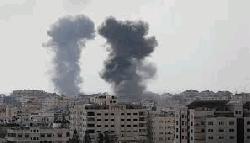
File Photo

Europe’s civil and commercial aviation sector is facing a looming crisis as jet fuel reserves across the continent are estimated to last for only about six weeks due to ongoing disruptions in the Strait of Hormuz.

Fatih Birol, Executive Director of the Paris-based International Energy Agency (IEA), warned in an interview with the Associated Press that unless the vital shipping route is reopened, flight operations across Europe could soon be severely affected.

“Europe’s current jet fuel reserves may last no more than six weeks. If the Strait of Hormuz is not freed, we may soon hear that flights between major European cities are being suspended due to fuel shortages,” Birol said.

He described the ongoing Iran-US-Israel conflict and the resulting blockade in the Strait of Hormuz as one of the most severe energy crises in Europe’s history. “We often used to refer to ‘severe situations’ in the past. We are now in such a situation. The current scenario is grave and will have significant implications for the global economy,” he added.

Birol further cautioned that prolonged disruption would negatively impact global economic growth and fuel inflation worldwide. “The longer this situation persists, the worse it will be for economic growth and inflation. No country will remain untouched by the consequences, regardless of its wealth or energy reserves,” he said.

Tensions escalated after the outbreak of the Iran-US-Israel war on February 28, following which Iran effectively blocked the Strait of Hormuz�"a key artery for global energy trade that handles nearly a quarter of the world’s fuel supply.

Although a 14-day ceasefire was declared on April 8, subsequent talks between Iranian and US representatives in Islamabad on April 11 failed, prompting the United States to enforce a blockade on Iranian ports and traffic in the region.

As a result, shipping activity in the Strait remains severely disrupted. While typically 120 to 140 commercial vessels pass through the route daily, current traffic has dropped drastically to only 10 to 12 ships per day, further intensifying concerns over global energy supply chains.


Loading...
Loading...
Also read
Editor : Iqbal Sobhan Chowdhury
Published by the Editor on behalf of the Observer Ltd. from Globe Printers, 24/A, New Eskaton Road, Ramna, Dhaka.
Editorial, News and Commercial Offices : Aziz Bhaban (2nd floor), 93, Motijheel C/A, Dhaka-1000.
Phone: PABX- 41053001-06; Online: 41053014; Advertisement: 41053012.
E-mail: district@dailyobserverbd.com, news@dailyobserverbd.com, advertisement@dailyobserverbd.com, For Online Edition: mailobserverbd@gmail.com
🔝
close