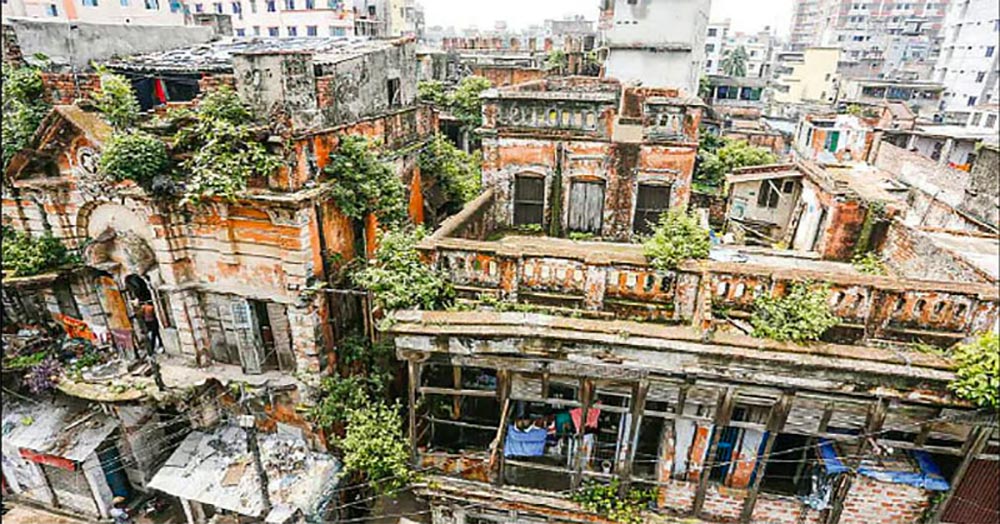
Massive corruption, rampant construction irregularities, fraud allegations, stalled projects and unchecked illegal developments are pushing thousands of Dhaka residents deeper into housing insecurity, while experts warn the overcrowded capital is sitting on the edge of a catastrophic earthquake disaster.
A recent study has painted a chilling picture of Dhaka's vulnerability, warning that a 6.9-magnitude earthquake along the nearby Madhupur Fault could reduce nearly 40 per cent of the city's buildings - around 865,000 structures - to rubble. The projected devastation could instantly place more than 210,000 lives at risk and inflict direct economic losses estimated at $25 billion.
The danger is compounded by the city's alarming lack of preparedness. Of nearly 21 lakh buildings spread across Dhaka and Gazipur, only 3,252 have undergone earthquake safety assessments, exposing a massive gap in structural monitoring in one of the world's most densely populated urban centres.
The grim warnings come as the Rajdhani Unnayan Kartripakkha (RAJUK) itself uncovers widespread violations across the capital. Following recent tremors felt in different parts of the country, the agency identified 3,382 under-construction buildings violating approved plans as of April 2025 and announced plans for demolitions, utility disconnections and legal action.
Yet critics argue the measures are little more than a delayed response to decades of systemic corruption, weak enforcement and alleged collusion between developers and officials that have allowed illegal construction to flourish unchecked across Dhaka.
Official findings reveal widespread breaches of building codes and approved designs, while allegations of fraud, project delays and illegal land development continue to leave thousands of homebuyers trapped in financial ruin and uncertainty.
Major irregularities have been detected in Old Dhaka, Mohammadpur, Bosila, Keraniganj, Rupganj and along Chittagong Road, where uncontrolled urban expansion has transformed large parts of the city into high-risk zones vulnerable to structural failure.
The 3,382 under-construction buildings recently identified by RAJUK reportedly contain serious deviations from approved plans. Industry insiders allege many of these projects advanced through bribery, political influence and direct collusion involving inspectors and enforcement officials.
A separate survey of 1,818 high-rise buildings exceeding 11 storeys uncovered even more alarming findings - 475 towers had no approval whatsoever, while another 309 illegally added extra floors beyond authorised limits, raising fears over the structural integrity of countless occupied buildings.
Amid mounting concerns that as many as 95 per cent of buildings in Dhaka may contain some form of irregularity, authorities are now scrambling to tighten enforcement and revise outdated regulations that critics say have long failed to keep pace with reckless urban expansion.
RAJUK-commissioned studies indicate that around 66 per cent of buildings in the capital violate approved plans or building regulations, though experts warn the real figure could be significantly higher once smaller unauthorised modifications are taken into account.
Thousands of structures also reportedly lack proper safety certification, intensifying fears over the livability and disaster resilience of residential and commercial buildings packed across the city.
Officials further acknowledge that a significant number of approved buildings do not possess occupancy certificates, meaning countless residents are living in structures that have never formally passed mandatory safety and compliance checks.
Enforcement drives involving notices, sealing operations and demolition orders have already targeted thousands of buildings found to be in violation of approved designs, yet illegal construction continues to spread rapidly amid accusations of bribery and administrative failure.
The capital is now home to millions of slum dwellers, reflecting widening inequality and growing pressure on an already collapsing urban housing system.
Alongside structural violations, Bangladesh's real estate sector continues to be haunted by allegations of fraud and malpractice. Investigations and court records show thousands of buyers have fallen victim to delayed or undelivered apartments, while dozens of housing projects have been declared illegal or shut down by RAJUK.
More than 12,000 cases involving property fraud, disputed ownership and financial irregularities remain pending nationwide, with losses running into thousands of crores of taka.
Victims frequently report paying full or partial amounts for flats or plots that remain unregistered for years, become trapped in legal disputes, or are linked to concealed mortgage liabilities and ownership complications.
Urban planners and disaster experts warn that unless corruption, regulatory failure and illegal construction are decisively crushed, Dhaka risks sliding towards not only a worsening housing catastrophe but also one of the deadliest urban earthquake disasters in South Asia.





