
The market for processed and packaged foods in Bangladesh is expanding rapidly. Urbanization, busy lifestyles, and changing dietary habits have significantly increased the consumption of biscuits, chips, soft drinks, instant noodles, sauces, bakery products, and other ready-to-eat foods. However, a major concern is that the information presented on many food packages often makes it difficult for consumers to clearly understand the nutritional value and potential health risks of these products.
At the same time, Bangladesh is experiencing a growing burden of non-communicable diseases (NCDs). Hypertension, diabetes, cardiovascular diseases, stroke, and kidney diseases have become some of the country's most pressing public health challenges. Health experts have long identified excessive consumption of salt, sugar, and unhealthy fats as major contributors to these conditions. Yet most consumers remain unaware of how much salt, sugar, or fat is contained in the packaged foods they consume daily.
Consumers have a fundamental right to know accurate, reliable, and easily understandable information about the food products they purchase. In reality, however, nutritional information on many food packages is often presented in a manner that is difficult for the average consumer to comprehend. In some cases, the information is printed in very small fonts, while in others, critical details are not clearly highlighted. As a result, consumers may unknowingly make choices that increase their health risks.
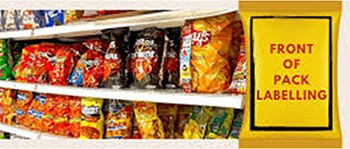
In this context, the introduction of a strong regulatory framework requiring mandatory Front-of-Pack Labelling (FOPL) and nutrition warnings on packaged food products has become an urgent necessity. Foods containing excessive amounts of sugar, sodium, saturated fat, or trans fat should carry clear, visible, and easy-to-understand warning labels that enable consumers to quickly assess potential health risks within seconds.
Many countries around the world have already implemented such measures. Countries including Chile, Mexico, Brazil, Canada, Peru, Colombia, and Sri Lanka have introduced mandatory front-of-pack warning labels. Their experiences demonstrate that clear nutrition labelling helps consumers make informed choices, reduces the consumption of unhealthy foods, and encourages manufacturers to reformulate products and offer healthier alternatives.
An equally important issue for Bangladesh is imported food products. Many countries have strict laws governing food safety and nutrition disclosure. Therefore, all imported food products entering Bangladesh should be required to comply with the country's food labelling regulations and standards.
Products that fail to provide the required nutrition information or warning labels should not be permitted to enter the market. Effective monitoring and enforcement at the import stage are essential to protect public health.
Another issue deserves particular attention. Many Bangladeshi food manufacturers provide detailed nutrition information, warning labels, and internationally compliant packaging when exporting products abroad. They do so because compliance with the importing country's regulations is mandatory. However, when marketing similar products domestically, some manufacturers provide less comprehensive information or present it in ways that are difficult for consumers to understand. Regulatory oversight in this area also remains insufficient.
This is not merely a policy inconsistency; it can also be viewed as discriminatory towards domestic consumers. If consumers in foreign markets have the right to receive comprehensive nutritional information, consumers in Bangladesh deserve the same protection and transparency. There should be no room for treating Bangladeshi consumers as second-class consumers. Companies capable of meeting international labelling standards for export markets are equally capable of maintaining those standards in the domestic market.
A healthy population is the foundation of a country's economic and social development. Every year, non-communicable diseases impose substantial financial burdens on individuals, families, and the healthcare system. Investing in preventive measures is far more effective and cost-efficient than treating diseases after they occur. Clear nutrition warning labels on food packaging represent one such low-cost yet highly effective public health intervention.
Most importantly, ensuring safe food is a clear commitment in the current government's election manifesto. Furthermore, the government's announced 180 days priority action agenda includes the development of regulations requiring clear and mandatory front-of-pack nutrition warning labels on food products. This issue is therefore no longer solely a demand from public health experts; it is also part of the government's own policy commitment.
The time has come not to debate the necessity of such measures, but to implement the commitments already made. The food labelling regulations being developed by the Bangladesh Food Safety Authority should be finalized and enforced without delay. These requirements should apply equally to both domestically produced and imported food products. Adequate monitoring, enforcement, and public awareness initiatives must also be ensured.
To protect public health, uphold consumers' right to information, and safeguard future generations from the growing burden of non-communicable diseases, decisive action is needed now. Clear and mandatory nutrition warning labels on food packaging are not a luxury; they are a fundamental consumer right and an essential component of public health protection. The government's commitments must now be translated into action through timely decisions and effective implementation.
The writer is a public health specialist





