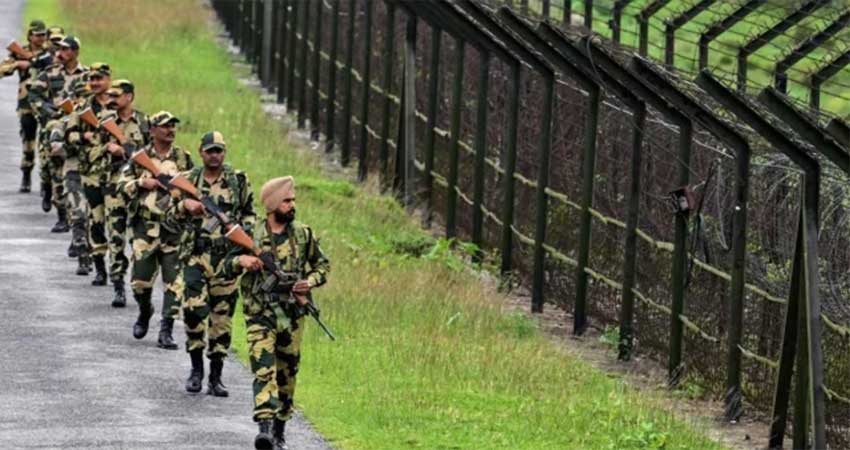
The central government of India constituted a high-level committee under Justice Prakash Prabhakar Naolekar to study the demographic changes in bordering districts, metropolitan cities and industrial hubs across Bangladesh and Pakistan.
The move follows Indian Prime Minister Narendra Modi’s remarks from the Red Fort on August 15, 2025, when he expressed concern over what he described as “unnatural demographic changes” in certain regions,
reports India Today on Tuesday, June 16, 2026 .
The central government has since identified the issue as a “matter linked not only to population trends but also to national security, social balance and administrative planning.” To examine the issue in detail, the Ministry of Home Affairs constituted the high-level committee on May 26, 2026, under the chairmanship of Justice Prakash Prabhakar Naolekar.
What is demographic change and what will the committee study?
Demographic change refers to shifts in the population structure of a region. Such changes can occur naturally due to factors such as birth rates, mortality, employment opportunities, migration and economic activity.
However, the government’s focus is on what it terms “unnatural demographic changes” that may arise from illegal infiltration, unchecked migration or other unusual factors that significantly alter the population balance of a region.
Indian officials believe such changes can have implications for social and cultural structures, resource allocation, governance and security. The committee will examine these concerns and assess whether reported changes in population patterns are supported by factual evidence.