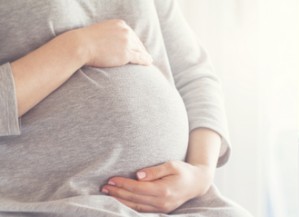
Pregnancy can be a deeply challenging time for women with eating disorders, with experts warning that the physical and emotional changes can sometimes trigger relapse or new symptoms that often go unnoticed.
When Elizabeth Claydon became pregnant at 27, she noticed rapid changes in her body that she found difficult to accept. Like many pregnant women, she experienced hormonal shifts, weight gain and physical transformation. But for her, it also triggered distressing thoughts about body image.
“Some days I was okay with the changes and other days it would be really difficult,” she said. “I would look in the mirror and I wouldn’t see myself.”
Claydon had previously suffered from anorexia nervosa in her teenage years and later experienced a relapse before becoming pregnant. She says her eating disorder thoughts returned strongly as her pregnancy progressed, creating what she described as a “battle” between her mind and her changing body.
Experts say such experiences are not widely recognised but are not rare. Research suggests about one in 20 pregnant women experience an eating disorder, either as a relapse or for the first time during pregnancy.
Professor Gemma Sharp, an eating disorder specialist at the University of Adelaide, said pregnancy can be a “perfect storm” due to rapid physical, hormonal and emotional changes. However, she added it can also become a turning point for recovery if proper support is provided.
Studies show that many pregnant and postpartum women struggle with body dissatisfaction, while eating disorders often go undetected due to stigma and lack of screening. Experts say many women avoid seeking help, fearing judgement or believing they should have outgrown such conditions.
The condition, sometimes referred to as “pregorexia,” can have serious health risks for both mother and baby, including complications during pregnancy, low birth weight, premature birth and developmental issues.
Doctors warn that poor maternal nutrition can also affect long-term child health, influencing risks of obesity, diabetes and heart conditions later in life. However, experts say more research is needed to fully understand the impact due to limited data.
The risks do not end after childbirth. Around 13% of women experience eating disorders in the postpartum period, often triggered by sleep deprivation, hormonal changes and pressure to quickly regain pre-pregnancy body shape.
Courtney Louise, a mother and fitness instructor in Australia, said she experienced severe emotional distress after childbirth linked to her past anorexia. “I felt trapped,” she said, describing intense mood swings and emotional breakdowns during the postpartum period.
Health experts say the problem is often missed in medical settings because pregnancy symptoms such as nausea can mask eating disorder behaviours. In many cases, women also avoid disclosing their condition due to shame or fear of judgement.
Specialists say awareness and non-judgemental care are key. Some researchers have developed new guidelines and support resources, but there are still no specific treatments designed exclusively for pregnant women with eating disorders.
Experts recommend better screening, sensitive communication, and multidisciplinary care involving doctors, dietitians and mental health professionals.
“Everybody has an eating disorder alone, but nobody recovers alone,” said psychologist Linda Shanti.
Published by the Editor on behalf of the Observer Ltd. from Globe Printers, 24/A, New Eskaton Road, Ramna, Dhaka.
Editorial, News and Commercial Offices : Aziz Bhaban (2nd floor), 93, Motijheel C/A, Dhaka-1000. Phone: PABX- 41053001-06; Online: 41053014; Advertisement: 41053012.
E-mail: district@dailyobserverbd.com, news@dailyobserverbd.com, advertisement@dailyobserverbd.com, For Online Edition: mailobserverbd@gmail.com