
Tanguar Haor in Sunamganj is one of Bangladesh's most valuable freshwater wetlands and an internationally recognised Ramsar Site under the Ramsar Convention. After the Sundarbans, it is the country's second Ramsar Site and covers nearly 12,665 hectares. Known for its crystal-clear waters, surrounding green hills, and proximity to the Meghalaya border, it is widely recognised as the Mother of Fisheries and the Mother of All Haors. However, this unique ecosystem is now facing increasing environmental pressure due to unregulated tourism and human activities.
Over the past few years, Tanguar Haor has become one of the most popular travel destinations in Bangladesh. Improved transportation, social media promotion, and the growing interest in nature-based tourism have attracted thousands of visitors every year. While tourism has created economic opportunities for local communities, the rapid increase in visitor numbers has also placed immense pressure on the fragile wetland ecosystem. Without proper planning and effective management, tourism is gradually becoming a major environmental challenge for the haor.
Visitors to Tanguar Haor frequently use loud sound systems, race boats across the water, and create excessive noise that disturbs the peaceful environment. Such activities disrupt the calm atmosphere for which the haor has long been admired. The continuous noise affects wildlife, particularly migratory birds and aquatic species that depend on a quiet habitat for breeding, feeding, and survival. Preserving the natural tranquillity of the wetland is essential for maintaining its ecological balance.
Tanguar Haor is home to hundreds of fish species, migratory birds, amphibians, reptiles, aquatic plants, and numerous other forms of wildlife. Excessive tourism, pollution, and habitat disturbance are placing these species under increasing stress. Many migratory birds may avoid nesting or resting in areas where human activities become too disruptive. The decline of biodiversity not only weakens the ecosystem but also threatens the ecological services that the wetland provides to surrounding communities.
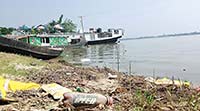
Plastic bottles, food packaging, disposable products, and other forms of waste are increasingly found around the haor after tourist visits. Improper waste disposal contaminates the water, damages aquatic habitats, and threatens fish and bird populations. Fuel leakage from boats and other recreational activities further contribute to water pollution. If waste management remains inadequate, the environmental quality of Tanguar Haor may continue to decline, affecting both biodiversity and local livelihoods that depend on clean water resources.
Tanguar Haor has long been recognised as one of Bangladesh's richest fisheries and supports thousands of local families through fishing and related occupations. Environmental degradation, declining water quality, and disturbance to aquatic habitats directly affect fish breeding and population growth. As fish resources decrease, local communities face economic uncertainty and reduced income. Protecting the ecological health of the haor is therefore essential not only for biodiversity but also for sustaining traditional livelihoods and ensuring long-term food security.
Although Tanguar Haor enjoys national and international recognition, conservation measures require stronger implementation. Authorities should strictly regulate tourist activities, control boat operations, prohibit environmentally harmful practices, and strengthen monitoring throughout the wetland. Environmental laws and conservation policies must be effectively enforced to prevent illegal exploitation of natural resources. Greater coordination among government agencies, local authorities, and conservation organisations can significantly improve the long-term protection of this internationally important ecosystem.
The people living around Tanguar Haor possess valuable knowledge about the wetland and depend directly on its natural resources. Their active participation in conservation programmes is essential for sustainable management. Community-based tourism, environmental education, and alternative livelihood opportunities can reduce pressure on natural resources while increasing public awareness. Empowering local communities to participate in conservation efforts creates shared responsibility and strengthens the long-term protection of the haor.
Tourism and environmental conservation should not be treated as conflicting objectives. With proper planning, visitor limits, eco-friendly infrastructure, designated tourism zones, and effective monitoring systems, Tanguar Haor can continue to welcome visitors without compromising its ecological health. Sustainable tourism policies should prioritise environmental protection while supporting local economic development. Maintaining this balance is essential for preserving the wetland's biodiversity and ensuring that tourism remains beneficial rather than destructive.
Tanguar Haor represents one of Bangladesh's greatest natural treasures and plays a vital role in biodiversity conservation, fisheries, water resources, and climate resilience. Its international recognition as a Ramsar Site reflects its ecological importance beyond national boundaries. Protecting this fragile wetland requires stronger environmental governance, responsible tourism, community participation, and public commitment. Conserving Tanguar Haor today is an investment in Bangladesh's environmental sustainability, ecological security, and natural heritage for generations to come.
The writer is a legal researcher





