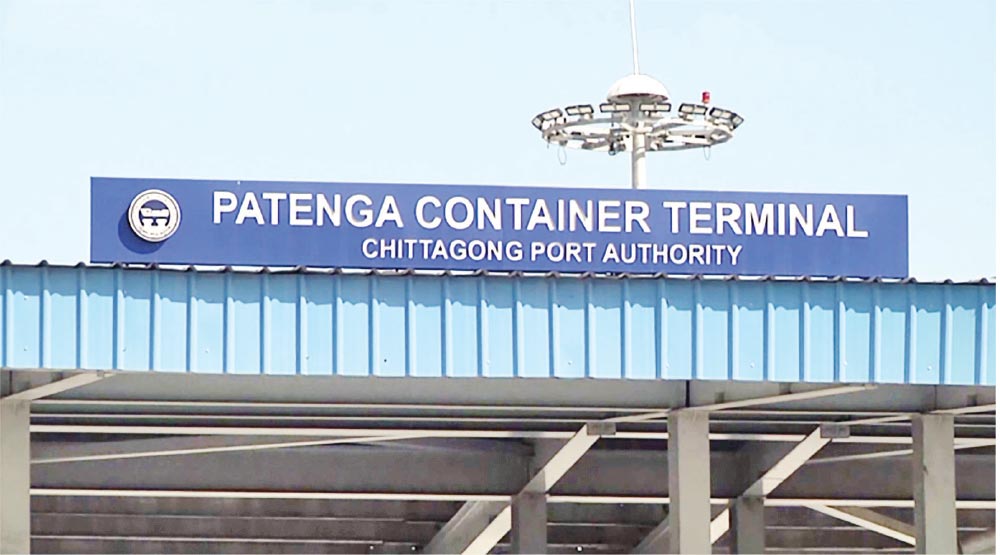
CHATTOGRAM, July 2: Saudi Arabia's Red Sea Gateway Terminal (RSGT)-operated Patenga Container Terminal (PCT) will begin full-fledged operations by the end of this month.
In this connection, RSGT has procured four ship-to-shore (STS) cranes, which arrived at Chattogram Port on 19 June, and their installation is now under way, said Alifa E. Junnurine, Manager for Marketing and Communication at RSGT, while speaking to the Daily Observer.
"After the installation of these cranes, the terminal (PCT) will have the requisite container-handling equipment," she added.
The installation of the cranes, worth $30 million, is under way with the aim of commissioning them on schedule. These cranes will enable the PCT to handle larger vessels, improve berth productivity and reduce vessel turnaround time, port and company officials said.
The custom-built cranes were manufactured by the Chinese company SANY.
"This is the first of its kind at any port in Bangladesh and will be operated entirely through green operations�"without the use of fossil fuels and powered solely by electricity," officials said.
The investment forms part of RSGT's development of the terminal under a 22-year concession agreement with the Chattogram Port Authority. The Saudi company became Bangladesh's first foreign container terminal operator after taking over the facility in 2024.
The terminal currently handles around 155,000 twenty-foot equivalent units (TEUs) annually. RSGT expects throughput to reach around 400,000 TEUs this year after the new equipment is commissioned, rising to more than 500,000 TEUs next year�"equivalent to nearly 17 per cent of the port's total container traffic.
RSGT was selected as the terminal's operator in December 2023 under a 22-year "equip, operate and maintain" contract. Partial operations began in June 2024, initially handling only export containers.
For almost a year, the terminal was unable to handle imports because the National Board of Revenue (NBR) had not provided a scanner. RSGT invested $3.5 million to install the scanner, enabling import container handling to commence in May 2025.
Officials said the average monthly container volume remained below 5,000 TEUs during the first 11 months of operation, until April this year. After import operations began in May, throughput rose to more than 16,000 TEUs and has continued to increase steadily.





