



| HEADLINE |

|

Extradition row tests Dhaka-Delhi ties
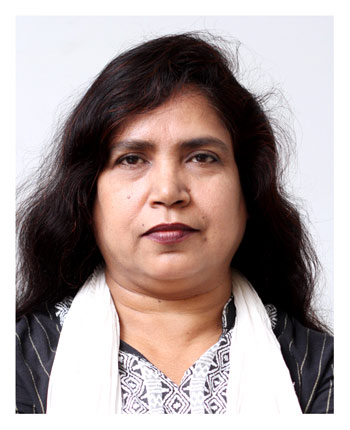


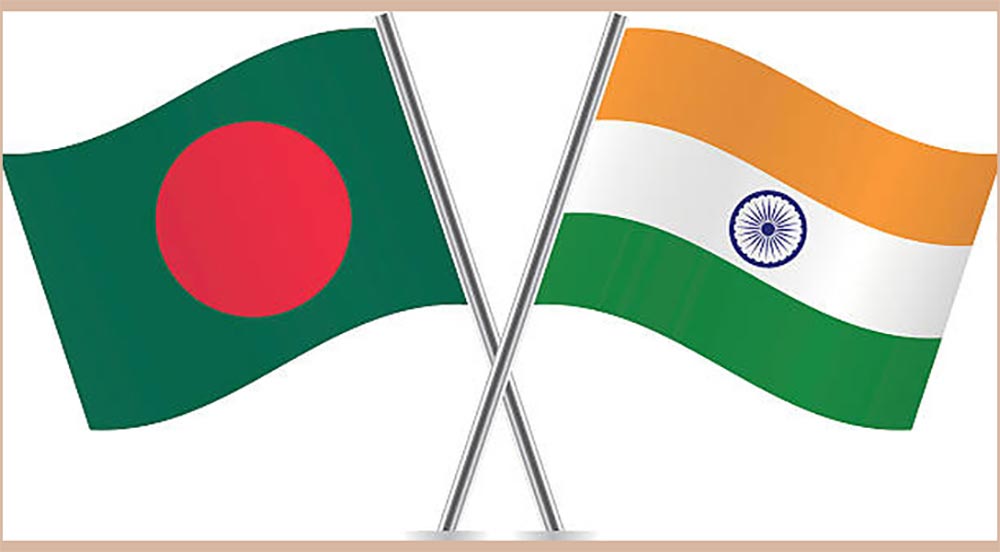 Bangladesh and India are navigating a complex diplomatic situation involving the extradition of former Prime Minister Sheikh Hasina, political concerns and economic cooperation, with both sides seeking to keep bilateral ties on track despite differences.
Amid the tensions, India has invited Prime Minister Tarique Rahman to the upcoming BRICS summit in New Delhi on September 12 and 13. The invitation, however, sparked mild controversy as it referred to him primarily as the “Chairman of BIMSTEC” rather than as the Prime Minister of Bangladesh.
New Delhi swiftly clarified that no disrespect was intended, explaining that individuals holding chairmanships of other international organisations had been invited in their respective capacities. Indian officials also reiterated that Narendra Modi’s government was eager to host Tarique Rahman as the Prime Minister of Bangladesh and strengthen bilateral relations.
“We are preparing the Prime Minister’s proposed visit to India as per the PMO’s instruction,” a senior Foreign Ministry official said, preferring anonymity.
The extradition of Sheikh Hasina emerged as a key issue during Monday’s much-awaited meeting between Prime Minister Tarique Rahman and Indian High Commissioner Dinesh Trivedi. When the Indian envoy had a meeting with Prime Minister Tarique Rahman, Chief of India's foreign intelligence agency the Research & Analysis Wing (RAW) Parag Jain came to Dhaka with a delegation for a day's visit.

Dhaka formally sought Hasina’s extradition, while New Delhi conveyed its own position on the matter, setting the stage for a crucial discussion between the two countries’ prime ministers.
Diplomatic sources said Trivedi hurriedly left for New Delhi after the Monday meeting to brief Indian government on its outcome.
The existing extradition treaty between the two countries was a focal point of the discussions. The issue was subsequently referred to Home Minister Salahuddin Ahmed, who held a detailed meeting with Trivedi at the Home Ministry.
Salahuddin formally requested the repatriation of fugitive criminals residing in India, specifically naming former Prime Minister Sheikh Hasina. He also urged India to expedite the extradition of suspects involved in the murder of Sharif Osman Bin Hadi so that they could face the judicial process in Bangladesh.
In response, the High Commissioner said India would conduct the necessary legal reviews before reaching a decision.
According to a source close to the meeting, the extradition request has also faced a procedural complication after ICT Tribunal Prosecutor Ghazi Monawar Hussain Tamim said the UN Human Rights Council had refused to share the names of witnesses mentioned in its report with the Bangladesh government, citing Bangladesh’s retention of the death penalty as a legal punishment.
New Delhi’s position is that Sheikh Hasina has expressed a desire to return to Bangladesh and that Dhaka must provide concrete assurances regarding her safe return, appearance in court and a fair trial. According to sources, Trivedi made it clear that India would not hand her over as a “convicted prisoner”.
Indian officials also made it clear that New Delhi would not hand over Hasina against her will. They said she had entered India on a Bangladeshi flight and stressed the need for positive steps from Dhaka, including ensuring a safe return path for her, withdrawing the ban on the Awami League and guaranteeing the safety of minority communities in Bangladesh.
Dhaka, meanwhile, told the Indian side that Hasina’s recent virtual press conference from India had further strained bilateral relations. Before the event, New Delhi had said it had no connection with the programme and would not endorse any remarks she made.
During the meeting, Home Minister Salahuddin stressed the deep social, political and economic interdependence between Bangladesh and India and called for a “fresh start” in bilateral relations.
He urged India to address pending issues with sincerity and on the basis of equality, saying differences were inevitable but should be resolved through cooperation to strengthen long-term ties.
Trivedi described his meeting with Prime Minister Tarique Rahman as highly positive and praised the Prime Minister’s humble leadership style and close connection with the public.
The discussions also covered Bangladesh’s severe energy crisis, including electricity shortages and fuel deficits. Dhaka is looking to New Delhi for urgent assistance, while India has increased supplies of essential commodities and indicated its willingness to provide additional diesel and electricity.
Despite the political differences and tensions, both sides are keeping the door open for economic cooperation and continued engagement.

Loading...
Loading...
Also read



Editor : Iqbal Sobhan Chowdhury
Published by the Editor on behalf of the Observer Ltd. from Globe Printers, 24/A, New Eskaton Road, Ramna, Dhaka.
Editorial, News and Commercial Offices : Aziz Bhaban (2nd floor), 93, Motijheel C/A, Dhaka-1000.
Phone: PABX- 41053001-06; Advertisement: 41053012; 01793317829, 01550707291, E-mail: [email protected], [email protected] Online: email: [email protected] 41053014; 01550707297 Advertisement: 01550707296
Published by the Editor on behalf of the Observer Ltd. from Globe Printers, 24/A, New Eskaton Road, Ramna, Dhaka.
Editorial, News and Commercial Offices : Aziz Bhaban (2nd floor), 93, Motijheel C/A, Dhaka-1000.
Phone: PABX- 41053001-06; Advertisement: 41053012; 01793317829, 01550707291, E-mail: [email protected], [email protected] Online: email: [email protected] 41053014; 01550707297 Advertisement: 01550707296


