



| HEADLINE |

|

Rooppur Unit-1 cleared for first nuclear reaction


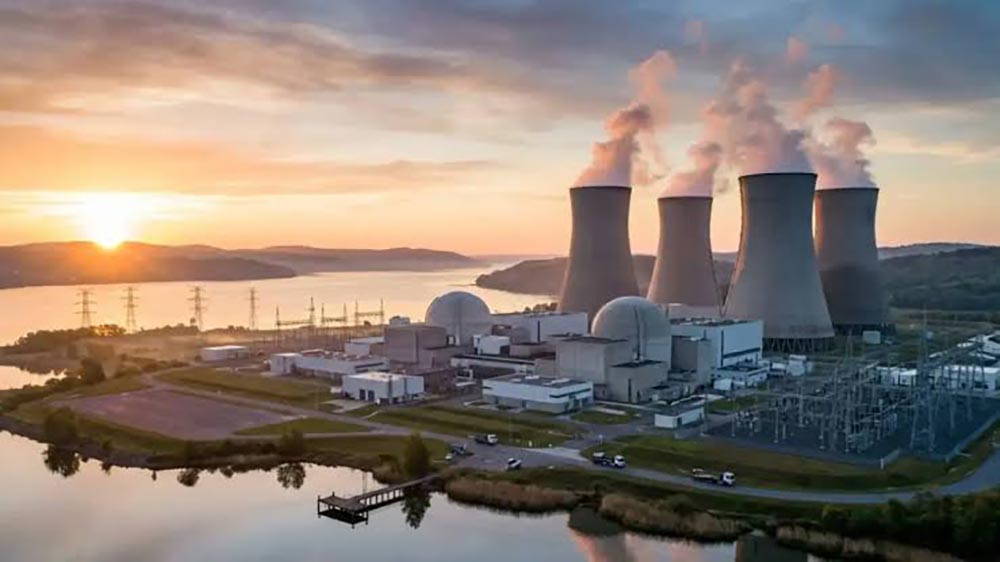 Bangladesh has cleared a major hurdle on the way to nuclear power generation, with the Bangladesh Atomic Energy Regulatory Authority (BAERA) on Thursday granting permission for a controlled nuclear reaction to begin at Unit 1 of the Rooppur Nuclear Power Plant.
The process, known as “first criticality”, marks the start of a self-sustaining nuclear chain reaction and comes after delays and technical complications involving the unit’s automatic pressure relief safety valves (PORV/POSV).
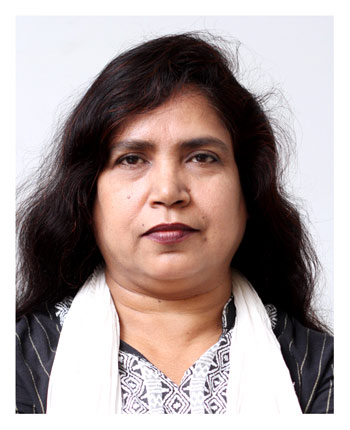
“Two more approvals would be required before the unit can be connected to the national grid,” BAERA Chairman Mahmudul Hasan told the media on Thursday evening.
Project officials said a team of Russian experts resolved the problems with the safety valves using various techniques, following which the system passed a series of tests. They said trial electricity supply to the national grid could begin by late December.
First criticality has been a major challenge for the Rooppur project. With BAERA’s permission, Unit 1 will now enter the physical start-up phase, during which the reactor will be operated at less than 1 per cent of its full rated thermal power to achieve the initial self-sustaining chain reaction.
During this phase, key reactor parameters, systems, safety features and control equipment will be closely monitored and verified. The entire physical start-up process, including first criticality, is expected to take around 30 to 40 days. If the test results are satisfactory, reactor power will then be increased in stages.
The project will subsequently enter the power start-up phase, involving a gradual increase in reactor power, turbine synchronisation and eventual connection of the generator to the national grid. The operating organisation will need to obtain a trial operational licence from BAERA before this phase.
The power start-up phase will require close coordination between the plant’s reactor, turbine and safety systems, as well as technical and regulatory coordination with entities outside the plant.
Project officials said power generation would initially be raised to 3 per cent and then gradually increased to 20-30 per cent. Electricity can then be supplied to the national grid.
Once generation begins, trial production may continue for seven to eight months.
When grid supply begins, Bangladesh will become the world’s 33rd country producing nuclear power, marking a new chapter in its energy and technological development.

Loading...
Loading...
Also read



Editor : Iqbal Sobhan Chowdhury
Published by the Editor on behalf of the Observer Ltd. from Globe Printers, 24/A, New Eskaton Road, Ramna, Dhaka.
Editorial, News and Commercial Offices : Aziz Bhaban (2nd floor), 93, Motijheel C/A, Dhaka-1000.
Phone: PABX- 41053001-06; Advertisement: 41053012; 01793317829, 01550707291, E-mail: [email protected], [email protected] Online: email: [email protected] 41053014; 01550707297 Advertisement: 01550707296
Published by the Editor on behalf of the Observer Ltd. from Globe Printers, 24/A, New Eskaton Road, Ramna, Dhaka.
Editorial, News and Commercial Offices : Aziz Bhaban (2nd floor), 93, Motijheel C/A, Dhaka-1000.
Phone: PABX- 41053001-06; Advertisement: 41053012; 01793317829, 01550707291, E-mail: [email protected], [email protected] Online: email: [email protected] 41053014; 01550707297 Advertisement: 01550707296


