



| HEADLINE |

|

Motherhood Not a Beauty Contest
Perinatal Body Shaming and the Cruel Gaze
Published : Saturday, 10 October, 2026 at 12:00 AM
Foyjuneesa Sharmin


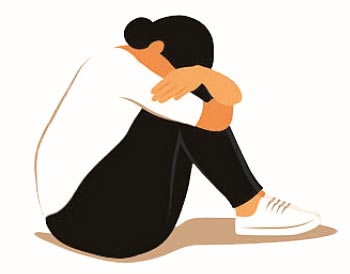 When prominent actresses of entertainment industry like Pori Moni or Anika KabirShokhreturns to the screen or posts a photo after giving birth, the public reaction is rarely a celebration of new life. Instead, our digital feeds fill with invasive click bait headlines and brutal Facebook comment sections dissecting her body-shape. If she hasn’t instantly shed the weight, she is publicly penalized.
However, this issue extends far beyond the glamorous borders of celebrity culture. Women function as a magnifying glass for how everyday Bangladeshi women are treated in their own living rooms.
Post pregnancy body changes are natural consequences of childbirth. Pregnancy brings profound hormonal and physical changes: the uterus expands and may take months to shrink; relaxin loosens ligaments and abdominal muscles, affecting hips and posture; stretched skin causes stretch marks and looseness; while extra fat and fluid support childbirth, breastfeeding and recovery.
Yet the toxic “bounce back” myth, fuelled by media, celebrity culture and social media, expects women to erase these changes quickly. Male celebrities are often praised for fatherhood, while women are judged for retaining motherhood’s physical marks.
In Bangladesh, patriarchal attitudes still tie a woman’s worth to youth, slimness and appearance, from patro-patridekha to the expectations placed on her after childbirth. A mother’s body becomes an open book on which relatives, neighbours and acquaintances feel free to write their opinions, often disguising judgement as concern. Celebrity body shaming, therefore, is not harmless gossip. When even affluent mothers with access to nutritionists and trainers are mocked for normal postpartum changes, it sends a quiet but powerful message to ordinary women: your body is public property. For the middle or working class mother, already worn down by sleepless nights, postpartum depression and a near absence of structural support, every remark can turn a natural transformation into a private shame. In joint families and conservative neighbourhoods, the pressure to become “the woman she was before marriage” can follow her like a shadow.
This is not merely about appearance. It is about women’s rights and human dignity. While society measures a mother’s waist, it rarely measures the weight she carries. We speak little of inadequate maternal healthcare, the stigma around postpartum mental health or the absence of proper maternity leave. Instead, we keep watching, commenting and judging women at the very moment when they need care, rest and understanding.
Dismantling this culture demands a change not only in journalism but also in our everyday consumption. We must stop feeding the market for “post baby body” countdowns and refuse the easy cruelty of online trolling. Motherhood should not leave a woman standing trial before the mirror. Respect means recognising the extraordinary strength required to bring a human life into the world, rather than making her ashamed of the marks that life leaves on her body. I want to draw the end line with a statement of Indian actressTwinkle Khanna that, “the world wants a woman to behave like Mother India but should look like Miss India”.
Loading...
Loading...
Also read



Editor : Iqbal Sobhan Chowdhury
Published by the Editor on behalf of the Observer Ltd. from Globe Printers, 24/A, New Eskaton Road, Ramna, Dhaka.
Editorial, News and Commercial Offices : Aziz Bhaban (2nd floor), 93, Motijheel C/A, Dhaka-1000.
Phone: PABX- 41053001-06; Advertisement: 41053012; 01793317829, 01550707291, E-mail: [email protected], [email protected] Online: email: [email protected] 41053014; 01550707297 Advertisement: 01550707296
Published by the Editor on behalf of the Observer Ltd. from Globe Printers, 24/A, New Eskaton Road, Ramna, Dhaka.
Editorial, News and Commercial Offices : Aziz Bhaban (2nd floor), 93, Motijheel C/A, Dhaka-1000.
Phone: PABX- 41053001-06; Advertisement: 41053012; 01793317829, 01550707291, E-mail: [email protected], [email protected] Online: email: [email protected] 41053014; 01550707297 Advertisement: 01550707296


