



| HEADLINE |

|

Mehazabien speaks out against AI-generated obscene videos
Published : Thursday, 15 October, 2026 at 10:00 AM
Observer Online Report



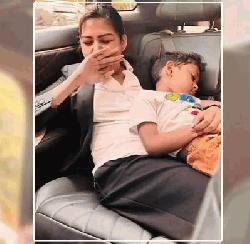
Collected Photo
Actress Mehazabien Chowdhury has condemned the creation and circulation of offensive AI-generated videos featuring celebrities, calling such content a crime rather than entertainment.
The videos have sparked widespread discussion on social media after they spread rapidly through the page of a private television channel, which was hacked. The media outlet later apologised and confirmed the hacking incident, but the controversy continued.
In a Facebook post on Thursday morning, Mehazabien said creating false and fabricated content using artificial intelligence (AI) to target someone and sharing it to humiliate them was not entertainment but a crime.
She said when hundreds or thousands of people share such content, the issue goes beyond the actions of an individual and becomes a wider social problem. She also questioned society's response to the trend.
The actress said people should consider whether they would behave the same way if someone in their own family became a victim of such deepfake content.
However, she said she no longer wanted to use the familiar argument of asking people to imagine such an incident happening to their mother or sister.
"Why should someone have to be a member of our family for us to respect them as a human being?" she asked.
Mehazabien also expressed concern over the race for views, likes, shares and trending positions on social media.
Acknowledging that content creation has become a source of livelihood for many, she said she did not dismiss the struggles and realities people face. However, she questioned how humiliating and disrespecting another person had become a means of earning money.
She said the pursuit of popularity or financial gain could not justify degrading others.
According to the actress, everyone deserves respect, and there can be no justification for creating or spreading offensive content by using someone's identity to humiliate them.
She also noted that the problem was no longer limited to women or men. Anyone could create harmful content or become a victim of it in the race for views, engagement and online trends.
Mehazabien said she was concerned not only about those who create such material but also about people who knowingly share it, discuss it and help it reach a wider audience.
At the end of her post, she urged people to reflect on their conscience before sharing such content.
She asked them to consider whether they wanted to become complicit in an offender's actions by helping spread the material.
-EM

Loading...
Loading...
Also read








Editor : Iqbal Sobhan Chowdhury
Published by the Editor on behalf of the Observer Ltd. from Globe Printers, 24/A, New Eskaton Road, Ramna, Dhaka.
Editorial, News and Commercial Offices : Aziz Bhaban (2nd floor), 93, Motijheel C/A, Dhaka-1000.
Phone: PABX- 41053001-06; Advertisement: 41053012; 01793317829, 01550707291, E-mail: [email protected], [email protected] Online: email: [email protected] 41053014; 01550707297 Advertisement: 01550707296
Published by the Editor on behalf of the Observer Ltd. from Globe Printers, 24/A, New Eskaton Road, Ramna, Dhaka.
Editorial, News and Commercial Offices : Aziz Bhaban (2nd floor), 93, Motijheel C/A, Dhaka-1000.
Phone: PABX- 41053001-06; Advertisement: 41053012; 01793317829, 01550707291, E-mail: [email protected], [email protected] Online: email: [email protected] 41053014; 01550707297 Advertisement: 01550707296


