



| HEADLINE |

|

World First
Personalised cancer vaccine stops disease returning
Published : Saturday, 24 October, 2026 at 12:00 AM
Observer Desk


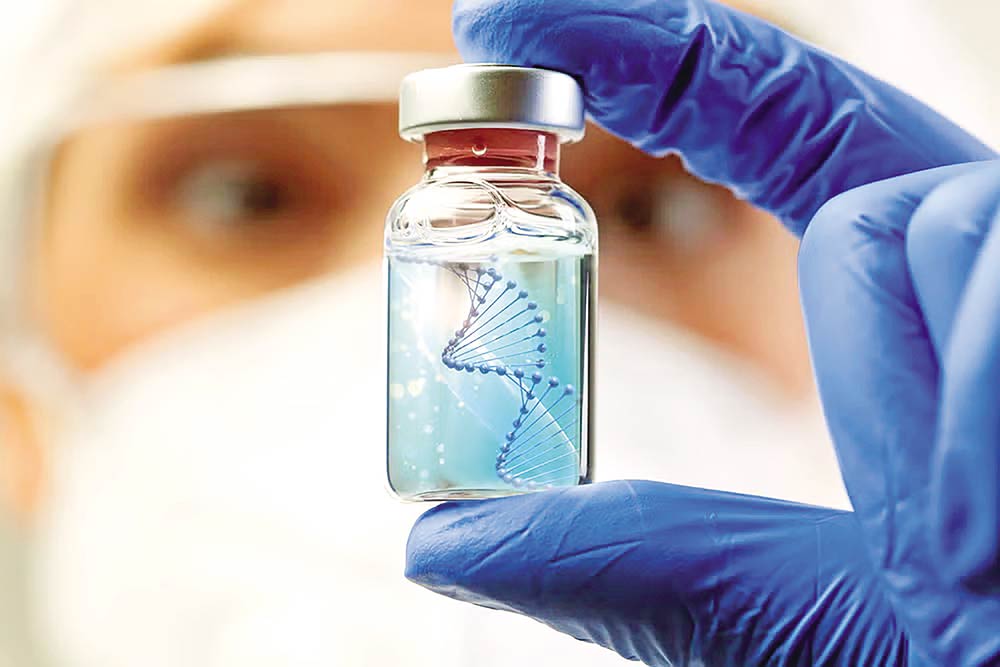 A new personalised cancer vaccine given alongside a widely used immunotherapy drug has cut the risk of patients dying or their skin cancer returning by 42% in a major clinical trial.
The researchers involved say the results could mark a turning point in cancer treatment, bringing personalised medicine a step closer, according to BBC.
The trial also found that the new drug combination reduced the risk of melanoma, a type of skin cancer, spreading by 38% over two years compared to immunotherapy alone.
The drug manufacturers MSD and Moderna say the same approach is already being tested against other tumours, including kidney, bladder and lung cancer.
Independent cancer experts described the results as impressive but said longer-term studies were still needed to establish whether the treatment really helps most patients live longer, on average.
The new approach is aimed at cancer patients who have already had their tumour removed through surgery.
In the trial, 1,137 adults were given Keytruda, an established immunotherapy drug which helps the body's immune system find and attack cancer cells.
About two-thirds also received an experimental vaccine with the rest being given a placebo or dummy drug.
The vaccine, called Intismeran, uses the same mRNA technology as some Covid jabs.
It is personalised to each patient, using information from their own tumour to help train their immune system to recognise cancer cells and target them if they return.

Loading...
Loading...
Also read



Editor : Iqbal Sobhan Chowdhury
Published by the Editor on behalf of the Observer Ltd. from Globe Printers, 24/A, New Eskaton Road, Ramna, Dhaka.
Editorial, News and Commercial Offices : Aziz Bhaban (2nd floor), 93, Motijheel C/A, Dhaka-1000.
Phone: PABX- 41053001-06; Advertisement: 41053012; 01793317829, 01550707291, E-mail: [email protected], [email protected] Online: email: [email protected] 41053014; 01550707297 Advertisement: 01550707296


