



| HEADLINE |

|

Fuel theft exposes security failures in Tk 3,699cr pipeline


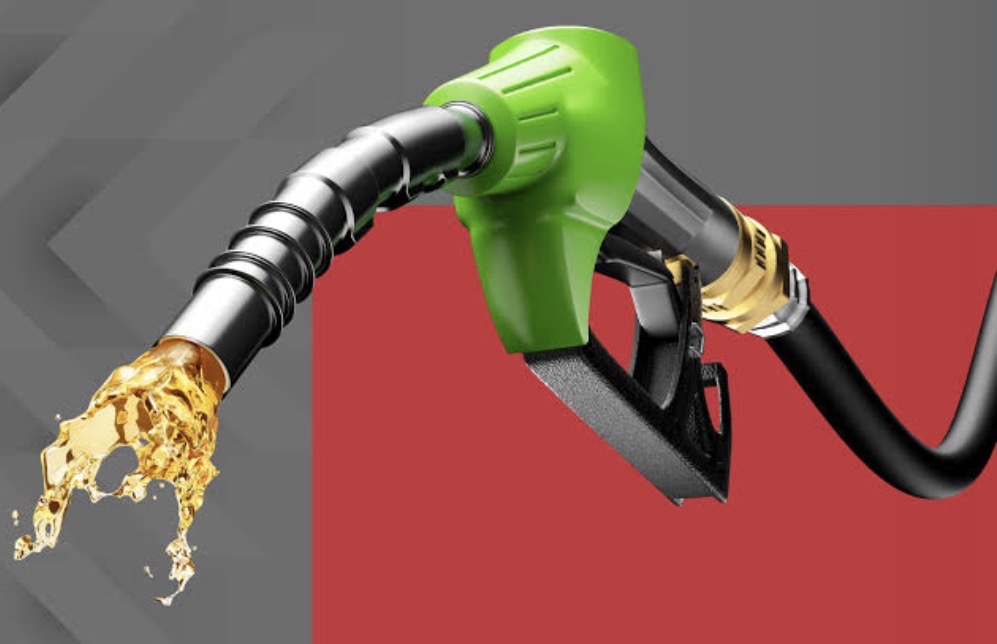
A Tk 3,699-crore pipeline built to prevent fuel theft and reduce transportation costs has itself become vulnerable to pilferage, exposing serious weaknesses in security, monitoring and operational management. Diesel was allegedly stolen by puncturing the underground pipeline in Mirsharai, Chattogram, while 375,418 litres supplied to Jamuna Oil’s Fatullah depot remain unaccounted for amid discrepancies in storage tank capacity records.
In a separate incident, a gang allegedly stole 4,292 litres of condensate, a by-product of natural gas, over two days by installing an illegal connection to a national gas grid pipeline in Madhabpur, Habiganj. Gas Transmission Company Limited (GTCL) filed a case against four to five people, including former union parishad member Islam Uddin.
An investigation into the Mirsharai incident, which came to light on January 8, revealed major failures in the Pipeline Intrusion Detection System (PIDS) and Leak Detection System (LDS). Neither system alerted the control room when the pipeline was punctured.
According to the investigation committee of Petroleum Transmission Company (PTC) PLC, PIDS malfunctioned 108 times between October 1, 2025 and January 7, 2026, while LDS remained effectively inactive for 49 days due to technical faults.
The committee also identified irregularities in optical fibre cable installation, including unauthorised additional joint kits that disrupted communication and affected PIDS, LDS, the Supervisory Control and Data Acquisition (SCADA) system and CCTV operations.
The approximately 250-kilometre Chattogram-Dhaka Petroleum Pipeline (CDPL) was built at a cost of Tk 3,699 crore. Construction began in 2018, and fuel transportation started in June 2024. Officially inaugurated on August 16, 2025, it has an annual transportation capacity of five million tonnes and was expected to save Tk 236 crore annually.
BPC Chairman Dr Md Rafiqul Islam said initiatives had been taken to strengthen security and surveillance following the theft. He said optical fibre-based monitoring had been introduced, but technical challenges remained, particularly in distinguishing ordinary vehicle noise from sounds generated by unauthorised interference.
According to Jamuna Oil’s internal documents, 262,804 litres of diesel went unaccounted for during the first supply phase between June 24 and July 4, 2025, while another 112,614 litres were missing between September 14 and 22.
Investigators found discrepancies in the calibration certificates of storage tanks No. 22 and 23 at Fatullah depot. In Tank No. 22, the recorded capacity at a height of 2,000mm decreased by 59,204 litres between the 2018 and 2025 calibration reports.
The calibration was conducted by Khulna-based contractor Messrs SM Nurul Haque. Its owner, Andalib Bin Haque, said the discrepancy of around 60,000 litres was unacceptable and might have resulted from a printing error. He acknowledged that Jamuna Oil had not properly verified the draft report.
Senior Jamuna Oil officials suspect around 250,000 litres may have been stolen through manipulation of tank capacity records. However, the actual cause of the entire discrepancy remains unconfirmed.
Meanwhile, pipeline transportation has reduced demand for river-based fuel transport, threatening the livelihoods of thousands of workers, sailors and employees engaged in operating oil tankers and lighter vessels. Vessel owners are also facing financial difficulties.
Energy experts stress that accurate measurement at both ends of the pipeline, independent tank calibration, automated inventory management and effective surveillance are essential to prevent theft and ensure accountability.










Published by the Editor on behalf of the Observer Ltd. from Globe Printers, 24/A, New Eskaton Road, Ramna, Dhaka.
Editorial, News and Commercial Offices : Aziz Bhaban (2nd floor), 93, Motijheel C/A, Dhaka-1000.
Phone: PABX- 41053001-06; Advertisement: 41053012; 01793317829, 01550707291, 01550707296
E-mail: [email protected], [email protected]. [email protected], [email protected], [email protected], [email protected], Online-email: [email protected]


