



| HEADLINE |

|

Rape cases rise, political protection under scrutiny


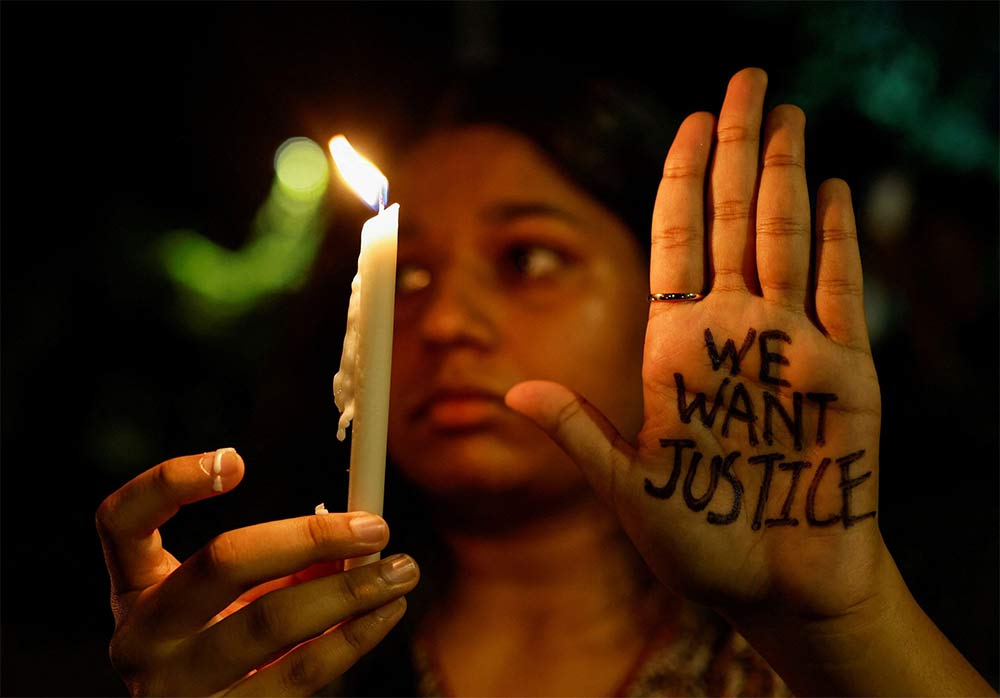 Bangladesh recorded 4,654 rape cases in the first eight months of this year, prompting alarm within the police force and raising questions about political influence, law enforcement failures and the country's ability to protect women and children.
Police Headquarters data show that 3,252 cases were filed between January and June, including 1,940 from March to June. Another 707 cases were recorded in July and 695 in August.
The March-June figure was 412 higher than the 1,528 cases recorded during the same period last year.
At a recent high-level police meeting, Additional Inspector General of Police (Crime and Operations) Khondoker Rafiqul Islam described the increase as alarming and instructed all police units to ensure thorough investigations and submit reports promptly.
Several investigations have reportedly uncovered alleged links between accused individuals and local political organisations, raising concerns about political patronage.
On August 4, police arrested Arafat Hossain, a senior leader of the Chougachha Government College unit of Jatiyatabadi Chhatra Dal, in a rape case in Jashore. Other arrests and allegations have involved leaders or activists of Chhatra Dal, Swechchhasebak Dal, BNP and Jamaat-e-Islami in different districts.
Two police superintendents from separate districts in Dhaka Division, speaking anonymously, told The Daily Observer that investigations into several rape allegations had revealed the involvement of local political activists. They alleged that some perpetrators operated under the protection of politically influential individuals.
Home Minister Salahuddin Ahmed, however, attributed part of the increase to victims' greater freedom to report crimes.
Previously, social and political pressure often prevented victims from filing complaints, but people can now approach police stations without interference, he said.
Police spokesperson AHM Shahadat Hossain said the absence of political pressure had allowed more victims to register cases. He added that police were following a zero-tolerance policy, prioritising prompt investigations, legal action and victims' safety.
A series of brutal incidents has intensified public concern. Seven-year-old Ramisa was allegedly raped and murdered in Dhaka's Pallabi on May 19, while four-year-old Faria was reportedly raped in Chattogram the following day. In September, a fourth-grade student was raped and murdered in Pabna.
According to expert the government's explanation was only partly convincing. He identified political protection, perceived leniency in law enforcement, social instability, revenge-driven violence and inadequate awareness of technology as contributing factors.
He stressed that arrests and investigations alone would not address the crisis. "Effective preventive measures must be taken before crimes occur," he said, calling for impartial investigations and punishment of perpetrators regardless of their political affiliations.

Loading...
Loading...
Also read



Editor : Iqbal Sobhan Chowdhury
Published by the Editor on behalf of the Observer Ltd. from Globe Printers, 24/A, New Eskaton Road, Ramna, Dhaka.
Editorial, News and Commercial Offices : Aziz Bhaban (2nd floor), 93, Motijheel C/A, Dhaka-1000.
Phone: PABX- 41053001-06; Advertisement: 41053012; 01793317829, 01550707291, 01550707296
E-mail: [email protected], [email protected]. [email protected], [email protected], [email protected], [email protected], Online-email: [email protected]


