



| HEADLINE |

|

Tax on savings certificate profits to be adjusted, not final


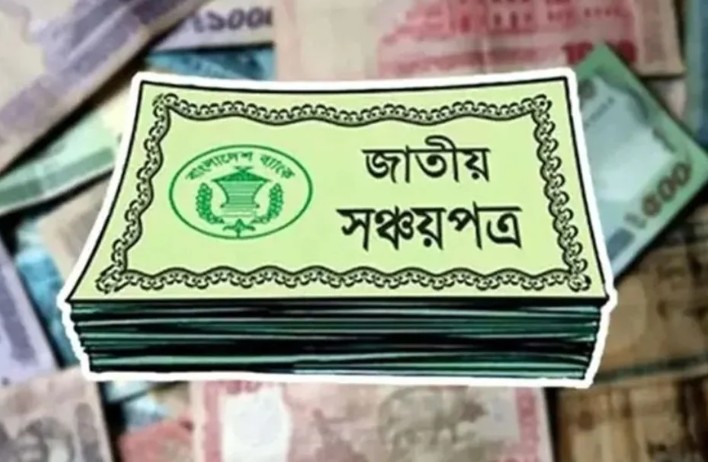
The government has changed the rules for tax deducted at source (TDS) on savings certificate profits, making the deduction an advance tax payment rather than a final tax liability.
Under the new system, investors who pay more tax at source than their actual tax liability will be able to claim a refund by filing income tax returns. However, those whose applicable tax rates are higher may have to pay additional tax.
Currently, 10 per cent tax is deducted at source from savings certificate profits for taxpayers with a Taxpayer Identification Number (TIN), while those without a TIN face a 15 per cent deduction.
Previously, the deducted amount was treated as final tax, leaving investors with no opportunity to recover excess deductions. Under the revised rules, the amount deducted will be adjusted against an individual's total tax liability at the end of the tax year.
Investors whose actual tax rates are below 10 per cent may benefit from the changes, as they can claim refunds of excess deductions. Those with tax rates above 10 per cent, however, may have to pay additional tax on their savings certificate profits.
For example, an individual earning Tk 100,000 annually from savings certificates would have Tk 10,000 deducted as tax at source. If the person's total annual income, including Tk 350,000 from other sources, is Tk 450,000, and the actual tax liability is Tk 5,000, they can claim a refund of the remaining Tk 5,000.
To receive a refund, taxpayers must file an income tax return, provide their bank account details and submit proof of tax deducted at source.
Even individuals whose income falls within the tax-free threshold must obtain a TIN and file a return to recover tax deducted from their savings certificate profits.
The tax authorities are required to verify refund claims and return eligible amounts to taxpayers' bank accounts within 120 days.
The changes mean lower-income investors may recover excess tax deductions, while those in higher tax brackets may face additional tax payments.
sks








Published by the Editor on behalf of the Observer Ltd. from Globe Printers, 24/A, New Eskaton Road, Ramna, Dhaka.
Editorial, News and Commercial Offices : Aziz Bhaban (2nd floor), 93, Motijheel C/A, Dhaka-1000.
Phone: PABX- 41053001-06; Advertisement: 41053012; 01793317829, 01550707291, 01550707296
E-mail: [email protected], [email protected]. [email protected], [email protected], [email protected], [email protected], Online-email: [email protected]


