



| HEADLINE |

|

Misuse of antibiotics during winter raises risk of drug resistance
Published : Saturday, 21 November, 2026 at 12:00 AM
Dr Muhammad Mahtab Hossain Mazed


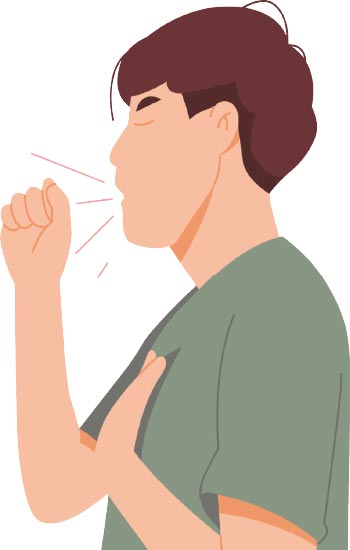 As winter approaches, cases of colds, coughs, sore throats, fever and respiratory infections increase. Many people take antibiotics for quick relief, often without consulting a doctor. However, most seasonal colds and influenza are caused by viruses, against which antibiotics are ineffective. Such misuse contributes to antimicrobial resistance (AMR), making infections increasingly difficult to treat.
Understanding Antibiotic resistance: AMR occurs when microorganisms develop resistance to medicines designed to eliminate them. Antibiotic resistance is a specific form of AMR in which bacteria become resistant to antibiotics. The human body does not become resistant; rather, the microorganisms do.
Why misuse increases during winter: Many people mistakenly believe antibiotics are necessary whenever they experience fever, cough or sore throat. Some reuse leftover medicines, buy antibiotics without prescriptions or follow advice from others.
Antibiotics do not work against common colds, influenza, most coughs or viral sore throats. Even yellow or green sputum does not necessarily indicate a bacterial infection. Antibiotics should only be taken when medically necessary and prescribed by a qualified healthcare professional.
A Growing global health threat: According to the World Health Organization's 2025 Global Antimicrobial Resistance and Use Surveillance Report, based on 2023 data, approximately one in six laboratory-confirmed bacterial infections worldwide was resistant to antibiotics. The proportion was around one in three in the WHO South-East Asia and Eastern Mediterranean regions.
Estimates for 2021 indicate that bacterial AMR was associated with approximately 4.71 million deaths globally, including 1.14 million deaths directly attributable to resistance.
Bangladesh needs greater awareness: In Bangladesh, uncontrolled antibiotic sales and inappropriate use remain major public health concerns. Self-medication, using antibiotics for viral infections and failing to follow prescribed treatment contribute to the problem.
Antibiotics for children must be prescribed according to their age, weight and health condition. Persistent fever, breathing difficulties or worsening symptoms require prompt medical attention. Doctors may recommend laboratory and culture tests to identify infections and select appropriate treatment.
Preventing Antibiotic resistance: Preventing AMR requires responsible action from individuals, healthcare professionals and policymakers. People should never take antibiotics without medical advice, reuse leftover medicines or share prescriptions. Patients must follow their doctors' instructions regarding dosage and treatment duration.
Regular handwashing, adequate rest, recommended vaccinations and proper respiratory hygiene can help prevent infections. Doctors should prescribe antibiotics only when necessary, while pharmacists must avoid dispensing them without valid prescriptions.
AMR also involves animal health and the environment. Excessive antibiotic use in livestock and poultry farming, agriculture and poor waste management can contribute to the spread of resistant microorganisms. A coordinated One Health approach involving medical, veterinary and agricultural professionals is therefore essential.
World Antimicrobial Resistance Awareness Week reminds us that irresponsible antibiotic use today can threaten the effectiveness of life-saving medicines tomorrow. Awareness, proper diagnosis and responsible treatment are essential to protecting public health and ensuring effective medicines remain available for future generations.
The author is a columnist and public health analyst, and founder and chairman of Jatiya Rogi Kalyan Society.

Loading...
Loading...
Also read



Editor : Iqbal Sobhan Chowdhury
Published by the Editor on behalf of the Observer Ltd. from Globe Printers, 24/A, New Eskaton Road, Ramna, Dhaka.
Editorial, News and Commercial Offices : Aziz Bhaban (2nd floor), 93, Motijheel C/A, Dhaka-1000.
Phone: PABX- 41053001-06; Advertisement: 41053012; 01793317829, 01550707291, 01550707296
E-mail: [email protected], [email protected]. [email protected], [email protected], [email protected], [email protected], Online-email: [email protected]


