



| HEADLINE |

|
(History of Hundred Years of Mujib, 1920-2020)
Mujib Shotoborsher Itihash (1920-2020)
Dr. A H M Mahbubur Rahman
Published : Saturday, 11 December, 2021 at 12:00 AM
Reviewed by Dr Matiur Rahman


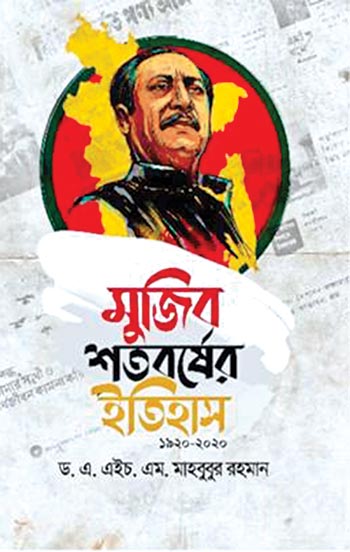 Bangladesh's independence is a hard-won achievement through the long nine-month struggle of our people. This freedom, which was obtained in exchange for a lot of blood, respect and sacrifice of men, women and children of Bangladesh, is a brilliant chapter in building our identity. And one of the artisans of this independence is the Father of the Nation, the best Bengali for thousands of years Bangabandhu Sheikh Mujibur Rahman. On the occasion of the birth centenary of this short-lived greatest personality, Dr A.H.M Mahbubur Rahman, a teacher in the Department of Social Work, Bangamata Sheikh Fajilatunnesa Mujib Science and Technology University, wrote a book titled "Mujib Shotoborsher Itihash, 1920-2020" (History of Hundred Years of Mujib, 1920-2020) to present the real and brief history of our independence, its earlier and aftermath history and the contribution of Bangabandhu to the young generation. The book was written under the research project titled Bangabandhu Foundation on the occasion of `Mujib 100 years'.
 The introduction of this book was written by the Hon'ble Foreign Minister of the Government of the People's Republic of Bangladesh Dr A.K Abdul Monem who is also the chairman of Bangabandhu Foundation. In addition, two Hon'ble Vice-Chancellors of public universities in Bangladesh has also made valuable comments about the book. The Foreign Minister commented that the author has tried to present the overall life of Bangabandhu Sheikh Mujibur Rahman in a brief but informative way in the book. By reading the book written in a simple and fluent language, the young generation will grow up with Bangabandhu's non-communal ideology and the spirit of the liberation war. Vice-Chancellor of Jatio Kabi Kazi Nazrul Islam University Prof. Dr A. H. M Mustafizur Rahman commented that the book will play a significant role for school, college and university students. Vice-Chancellor of Bangamata Sheikh Fojilatnunnessa Mujib Science and Technology University, Prof. Dr Syed Shamsuddin Ahmed mentioned that the book will be helpful to know the history of Bangabandhu, Liberation War and Bangladesh.
This 56 pages book contains a preface, introduction and a long reference list. The author has tried to present the brief history and events in the politics of the Indian subcontinent from the beginning of Bangabandhu's birth. He also tried to portray the pre-war history and subsequent events and history of Bangladesh after the liberation. Especially Bangabandhu's contribution has been highlighted in a very objective way in light of the history. The author has mentioned that if someone wants to know about Bangladesh, he or she must have to know about Bangabandhu and the war of liberation. Bangladesh would not have been born without the birth of Bangabandhu Sheikh Mujibur Rahman, the best son of the Bengali nation. The long 100-year history from March 17, 1920, to March 17, 2020, is briefly mentioned in this book.
The author has covered the birth of Bangabandhu, education life, student politics in Islamia College in Kolkata, student politics in Dhaka University, family life including marriage and children, Bangabandhu's adolescent period and contemporary politics, anti-British movement and Bangabandhu's role, language movement and Bangabandhu's role, the establishment of East Pakistan Awami Muslim League in 1949. Jukto front election in 1954, Ayub Khan's rule (1956-1969), Bangabandhu's 6 point declaration, Agartala conspiracy case and mass movement; Yahya Khan's rule and general elections in Pakistan (1969-1971); conspiracy to transfer power; historic 7 March speech of Bangabandhu in 1971; riots and non-cooperation movements; Operation Search Light and Bangabandhu's declaration of independence; Bangabandhu's arrest and Mujibnagar government; All-party advisory committee; Sector Commanders; Liberation Army, People's Army; Anti-independence forces Peace Committee, Razakar, Al-Badr, Al-Shams forces; Refugees of the liberation war; the contribution of women in the liberation war; Swadhin Bangla Betar Kendra; liberation war in the media; Dr. Malik's cabinet; The role of the international world in the liberation war; the birth of independent Bangladesh; Bangabandhu in Pakistan jail; Bangabandhu's return home; Bangabandhu's reign (1972-1973); World politics and Bangabandhu's thoughts; Bangabandhu's reign (1973-1975); Conspiracy against Bangabandhu government; Bangabandhu assassination 1975; Khandaker Mushtaq at Bangabhaban; Zia and President Sayem; People's Leader Sheikh Hasina's return home; Justice Sattar and HM Ershad and President Ahsanuddin; BNP regime (1991-1995); Awami League regime (1996-2000); BNP and the four-party alliance regime (2001-2006); Caretaker government (2006-2007); Awami League regime (2008-2014); Awami League regime (2014-2018); Awami League's tenure (2018-present) etc. has been discussed briefly but objectively.
One of the strengths of this book is the addition of vast references. The author has added 160 references of books and essays on Bangabandhu and the war of liberation published in the country and abroad, which has helped to increase the credibility of the book. Above all, interested readers will be able to read any book or article included in this reference to know more about our liberation war and Bangabandhu's contribution. The book will help the young generation to acquire knowledge about the best Bengali for thousands of years and the Father of Nation Bangabandhu Sheikh Mujibur Rahman and our great liberation war and independence.
The reviewer is research consultant, Human Development Research Centre (HDRC), Dhaka
Loading...
Loading...
Also read



Editor : Iqbal Sobhan Chowdhury
Published by the Editor on behalf of the Observer Ltd. from Globe Printers, 24/A, New Eskaton Road, Ramna, Dhaka.
Editorial, News and Commercial Offices : Aziz Bhaban (2nd floor), 93, Motijheel C/A, Dhaka-1000.
Phone: PABX- 41053001-06; Advertisement: 41053012; 01793317829, 01550707291, E-mail: [email protected], [email protected] Online: email: [email protected] 41053014; 01550707297 Advertisement: 01550707296
Published by the Editor on behalf of the Observer Ltd. from Globe Printers, 24/A, New Eskaton Road, Ramna, Dhaka.
Editorial, News and Commercial Offices : Aziz Bhaban (2nd floor), 93, Motijheel C/A, Dhaka-1000.
Phone: PABX- 41053001-06; Advertisement: 41053012; 01793317829, 01550707291, E-mail: [email protected], [email protected] Online: email: [email protected] 41053014; 01550707297 Advertisement: 01550707296


