



| HEADLINE |

|
Preserve cultural heritage of our Bede community
Published : Wednesday, 3 July, 2024 at 12:00 AM
ASM Riad Arif


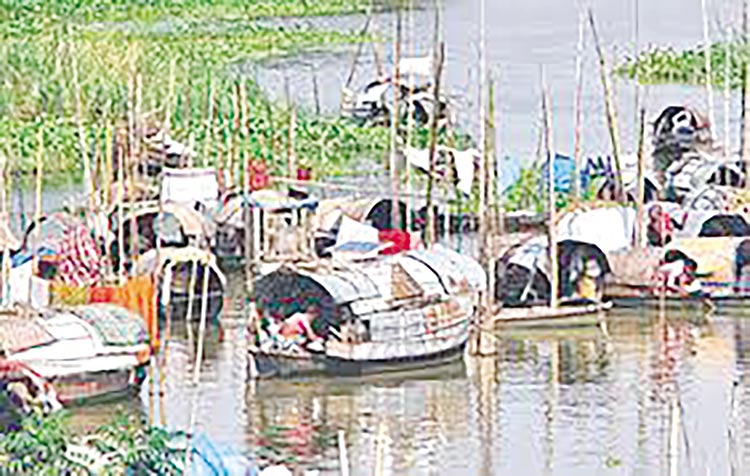 The Bede community is an occupation-based group in Bangladesh, whose traditional professions have significantly shaped their lifestyle, social status, and integration. Historically marginalized due to their unique occupations, the Bede have faced social exclusion for centuries. In recent decades, this marginalization has prompted many within the community to seek alternative professions. There are approximately 1.5 million Bede in Bangladesh, whose culture and lifestyle differ markedly from other ethnic groups, highlighting the countrys rich cultural diversity.
Despite the unique cultural identity of the Bede, development strategies in Bangladesh have often overlooked their specific needs and realities. This oversight stands in contrast to the UNESCO Declaration on Cultural Diversity, which asserts that "cultural diversity is one of the driving forces of development." The Bede community faces multifaceted exclusion and an identity crisis as marginalized Muslims in Bangladesh. Their native language, Thar, is now spoken by very few, and Bede children often lack the opportunity to study in their mother tongue, leading to its potential extinction.
The British colonial era contributed to the problematic categorization of diverse groups, a legacy that persists today. This has cast suspicion on the Bedes religious authenticity, despite their overwhelming identification as Muslims. According to Banglapedia, "As they claim to be Muslims, they tend to maintain minimal relationships with local Muslims and practice many Hindu rites and rituals."The Bedes nomadic nature and cultural distinctiveness from other ethnic groups in Bangladesh are key aspects of their identity.
Modernization has marginalized their traditional professions, affecting both their income and cultural identity. Traditional occupations like snake charming and healing have become less viable due to deforestation and reduced snake populations, leading to decreased earnings and social standing. In Bangladesh, occupations often define identity, with certain professions conferring privilege while others lead to exclusion.
Despite various projects by the government, UN agencies, and NGOs aimed at poverty alleviation, no significant development programs specifically target the socially excluded and stigmatized Bede community. The lifestyle of the Bede is poetically captured in the songs of Jasim Uddin, which describe their life on houseboats, charming snakes, and performing for the public. Historically, the Bede were itinerant entertainers and healers, navigating Bangladeshs waterways and relying on their traditional skills for income.
However, technological advancements and infrastructural developments have diminished public reliance on their services. Pollution and changes in river conditions have forced the Bede to abandon their houseboats and traditional lifestyle, leading to permanent settlement and the erosion of their rich cultural heritage. The Bedes unique folklore and literature, reflecting their nomadic past, are now under threat.
The study of the Bedes lifestyle, traditions, and social status dates back to James Wises 19th-century work, which noted the similarities between the Bede and European gypsies. H.H. Risley described the Bede as a generic term for vagrant, gypsy-like groups, questioning their classification as a caste. The Islamization process, which intensified over sixty years ago, has not integrated them into mainstream society, as their traditional occupations continue to stigmatize them. Carmen Brandt (2016) highlights the religious dilemma faced by the Bede, considered "bad Muslims" in a predominantly Muslim society. This religious ambiguity contributes to their cultural and professional transformations as they navigate their identity within a societal framework that does not fully accept them.
Similar to the Dalit community, the Bede are economically disadvantaged and socially excluded in Bangladesh, facing barriers to education, healthcare, and political participation. A woman from Savar Bede Palli described the duality of their social experience: while her children face no discrimination at school, outside of school, they are ostracized due to their Bede identity.Historically, the Bede have been known for their itinerant lifestyle, which involved traveling by boat along the rivers of Bangladesh. Their unique cultural practices, including snake charming, traditional healing, and magical performances, have been significant aspects of their identity.
However, with the advent of modern medicine and changing social attitudes, the demand for these traditional practices has declined. This shift has forced many Bede to abandon their traditional professions and seek alternative livelihoods, often resulting in further marginalization and economic hardship.
Modernization and urbanization have profoundly impacted the Bede community. Infrastructure projects have disrupted their traditional travel routes and living spaces, while environmental pollution and changes in river ecosystems have adversely affected their way of life. As the Bede transition to more sedentary lifestyles, they face new challenges in adapting to urban environments and accessing basic services such as education, healthcare, and employment.
The Bede communitys ongoing struggle to preserve their cultural heritage and identity in the face of modernization and social exclusion requires concerted efforts to document and celebrate their unique traditions, language, and folklore. Initiatives aimed at promoting social inclusion and economic empowerment are crucial for helping the Bede navigate the challenges of a rapidly changing world while preserving their distinct cultural identity.
Various government and non-governmental organizations (NGOs) have undertaken initiatives to improve the socio-economic conditions of the Bede community. These efforts include providing education, healthcare, and vocational training programs tailored to their unique needs. However, more targeted and culturally sensitive interventions are needed to address the specific challenges faced by the Bede. Collaborative efforts involving the Bede community in the planning and implementation of development programs can enhance the effectiveness and sustainability of these initiatives.
The writer is with Communications Department of an international organization, background in Sociology from South Asian University, New Delhi
Loading...
Loading...
Also read








Editor : Iqbal Sobhan Chowdhury
Published by the Editor on behalf of the Observer Ltd. from Globe Printers, 24/A, New Eskaton Road, Ramna, Dhaka.
Editorial, News and Commercial Offices : Aziz Bhaban (2nd floor), 93, Motijheel C/A, Dhaka-1000.
Phone: PABX- 41053001-06; Advertisement: 41053012; 01793317829, 01550707291, E-mail: [email protected], [email protected] Online: email: [email protected] 41053014; 01550707297 Advertisement: 01550707296
Published by the Editor on behalf of the Observer Ltd. from Globe Printers, 24/A, New Eskaton Road, Ramna, Dhaka.
Editorial, News and Commercial Offices : Aziz Bhaban (2nd floor), 93, Motijheel C/A, Dhaka-1000.
Phone: PABX- 41053001-06; Advertisement: 41053012; 01793317829, 01550707291, E-mail: [email protected], [email protected] Online: email: [email protected] 41053014; 01550707297 Advertisement: 01550707296


