



| HEADLINE |

|
Primary education holds the key for a progressive nation
Published : Tuesday, 24 December, 2024 at 12:00 AM
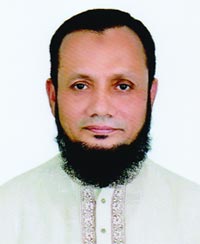
MIR MOSHARREF HOSSAIN PAKBIR


 Primary education is the foundation upon which a nation builds its future. In Bangladesh, where socio-economic challenges are deeply intertwined with cultural and political dynamics, primary education holds immense potential for shaping a cohesive and progressive society. But unfortunately, the quality of primary education is not globally competitive and does to prioritize moral teachings in Bangladesh, especially outside major cities and it also lacks humanitarian or moral education. Moreover, a large part of our children gets dropped out before completing the primary education as well as while moving from primary to secondary education. Hence, our academics need to focus on this area to improve the lives of our next generations.
According to the Bangladesh Bureau of Educational Information and Statistics (BANBEIS), the net enrollment rate in primary education reached 97.74% in 2021. However, dropout rates remain a pressing concern. A UNICEF report from 2020 highlights that around 17% of children enrolled in primary schools do not complete their education. This translates to approximately 2.2 million children dropping out each year, many of whom face uncertain futures. Here it is important to note that, around 13.95% students from general schools, around 15% students from English medium schools and around 20% of madrasa students drop out from primary level education in Bangladesh.
The transition from primary to secondary education in Bangladesh presents significant challenges, with notable dropout rates during this period. Furthermore, the dropout rate at the higher secondary level was reported at 21.51%, with a higher rate among girls at 22.45%. This suggests that over one-fifth of students enrolled in higher secondary education discontinue their studies before completion.
These statistics highlight the critical need for targeted interventions to address the factors contributing to student attrition during these educational stages. Efforts to reduce dropout rates are essential for improving educational outcomes and ensuring that students can progress through the education system to higher levels of learning. These dropouts often fall prey to socio-economic vulnerabilities, leading to involvement in criminal activities, substance abuse, and other anti-social behaviors. Addressing these issues requires an education system that not only imparts academic knowledge but also instills values that foster social harmony and individual responsibility.
In today's world, the children and teens are getting more exposed to different types of crimes along with the high use of technology, especially social media. Hence, it is imperative that, we focus greatly on moral education in the primary education, which will create nationalism, humanity, moral and ethics among the students to guide them to a brighter and glorious future, contributing to the welfare of the country and the fellow countrymen.
Moreover, the curricula of all the primary schools should include modern and globally competitive syllabus as if the English medium student is taught a better curriculum than the general school students, then it is a sort of inequality, which we must avoid at least at primary levels. Along with that, like many developed countries, we can eliminate any competitive exam at the primary level of education and should engage the children in proactive and enjoyable learning experiences. Eliminating competition and judgment at primary level will enable a student to learn with joy and will influence them to pursue higher education with more interest. It is scientifically proven that, such initiatives can improve children's learning and development to a great extent.
Nationalism, when taught inclusively, can be a powerful tool for uniting a diverse population. Introducing nationalism in primary education means teaching children to appreciate their country's history, culture, and achievements while understanding their roles as responsible citizens. For example, lessons on the Language Movement of 1952, Liberation War of 1971 as well as the Anti-inequality movement of 2024 can help children grasp the values of sacrifice, unity, and justice. Encouraging pride in the Bengali language, cultural heritage, and national achievements can build a collective identity that transcends divisions. This sense of unity can deter young people from joining groups or activities that threaten societal harmony, such as gangs or extremist organizations.
Bangladesh's constitution upholds secularism as a fundamental principle. By incorporating secularism into primary education, children can be taught to respect all religions and beliefs, fostering mutual understanding and reducing communal tensions. Teaching secularism involves promoting moral and ethical values that are universal-such as honesty, empathy, and fairness-without aligning them with any specific religious doctrine. Activities like learning about diverse cultural practices can help children appreciate diversity from a young age.
Teaching tolerance in primary education can equip children with the skills to navigate differences in opinion, culture, and lifestyle. This can be achieved through interactive learning methods such as group discussions, role-playing, and community service projects. Additionally, introducing conflict resolution techniques can empower children to handle disputes peacefully, reducing the likelihood of violence as they grow older. By fostering a culture of tolerance, the education system can play a pivotal role in preventing the formation of teen gangs and other anti-social groups.
Teenage delinquency is a growing concern in Bangladesh, particularly in urban areas. Many teenagers join gangs due to a lack of guidance, economic hardship, or the allure of power and camaraderie. These gangs often engage in criminal activities such as drug trafficking, eve teasing, extortion, and violence, posing a significant threat to social stability. Value-based education can serve as a preventive measure against these issues. Extracurricular activities such as sports, arts, and community service can also channel their energy into constructive pursuits, reducing the appeal of gangs.
Similarly, addressing drug abuse requires early intervention. Schools can organize awareness programs about the dangers of substance abuse, involving parents and community leaders to create a supportive environment at the primary classes. Children must be taught to respect their elders and love their youngers as these values will make them socially committed, which will ultimately benefit the nation. Eve-teasing and gender-based violence are pervasive issues in Bangladesh, rooted in deeply ingrained patriarchal attitudes. Primary education can play a transformative role in addressing these problems by promoting gender equality and respect for all individuals. Curriculums should include lessons on gender sensitivity, emphasizing that boys and girls are equal and deserve mutual respect.
The high dropout rate in primary education is a significant contributor to social challenges in Bangladesh. Children who leave school prematurely are more likely to face unemployment, poverty, and social marginalization. Many become involved in illegal activities, burdening society and the economy. Poverty is a leading cause of school dropouts. Providing stipends, free meals, and educational materials can alleviate the financial burden on families, encouraging them to keep their children in school. Schools must accommodate children from diverse backgrounds, including those with disabilities, ethnic minorities, and those living in remote areas.
Educating parents about the long-term benefits of education can motivate them to prioritize their children's schooling. Teachers should be trained to adopt child-friendly teaching methods and address bullying or discrimination effectively. Most importantly, the schools need to create excellent options for the children to participate in different games at playgrounds as that will keep the children, teens and youths engaged in activities, which boosts positive physical and mental growth. Our academics also need to focus on developing good, caring and committed teachers as a good educator can push a child to a positive direction easily.
The recent anti-equality movement of 2024 calls for equality of everyone and that requires to ensure primary education for every child of the country. If we cannot ensure that all children of Bangladesh receive the basic education as it is their fundamental right, then the main principle of the 2024 anti-inequality movement will fail. Hence, the government and anyone related to the movement must try to ensure that the children are not victims of any inequality and their rights are properly served for the welfare of the nation.
When children remain in school and receive education that emphasizes nationalism, humanity, secularism, morality, ethics and tolerance, they are more likely to become responsible and productive citizens. Hence, the primary education system in Bangladesh holds the key to addressing many of the nation's social challenges. Addressing the high dropout rate requires a holistic approach that includes financial support, inclusive education, and parental involvement. By keeping children in school and equipping them with the tools to navigate life's challenges, Bangladesh can transform its youth from potential social burdens into valuable assets.
Investing in value-based primary education is not just a moral imperative but a strategic necessity for building a prosperous and harmonious nation. Bangladesh is going through a huge reform now with an interim government in power. The government should reform this area of primary education as a critical priority. If they can do so and can decrease the dropout rate significantly, then Bangladesh will have nationalistic, ethical and humanitarian future generations to take nation to new heights. We hope, Bangladesh will always remain on the path of progress and achievements.
The writer is Chief Editor at Mohammadi News Agency (MNA) and Editor at Kishore Bangla
Loading...
Loading...
Also read





Editor : Iqbal Sobhan Chowdhury
Published by the Editor on behalf of the Observer Ltd. from Globe Printers, 24/A, New Eskaton Road, Ramna, Dhaka.
Editorial, News and Commercial Offices : Aziz Bhaban (2nd floor), 93, Motijheel C/A, Dhaka-1000.
Phone: PABX- 41053001-06; Advertisement: 41053012; 01793317829, 01550707291, E-mail: [email protected], [email protected] Online: email: [email protected] 41053014; 01550707297 Advertisement: 01550707296
Published by the Editor on behalf of the Observer Ltd. from Globe Printers, 24/A, New Eskaton Road, Ramna, Dhaka.
Editorial, News and Commercial Offices : Aziz Bhaban (2nd floor), 93, Motijheel C/A, Dhaka-1000.
Phone: PABX- 41053001-06; Advertisement: 41053012; 01793317829, 01550707291, E-mail: [email protected], [email protected] Online: email: [email protected] 41053014; 01550707297 Advertisement: 01550707296


