



| HEADLINE |

|

ICJ starts hearing of Rohingya case filed by Gambia
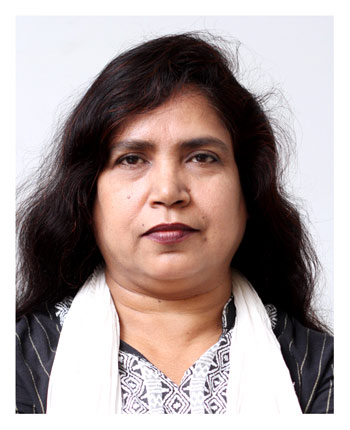


The International Court of Justice (ICJ) kicked off the public hearings in the genocide case filed by The Gambia against Myanmar over atrocities committed against the Rohingya community on Monday, at The Hague.
The case stems from Myanmar's 2017 military crackdown in northern Rakhine State, Myanmar's armed forces launched an offensive in 2017 that forced at least 730,000 Rohingya from their homes and into neighbouring Bangladesh, where they recounted killings, mass rape and arson.
However, in November 2019, The Gambia brought the case before the world court, accusing Myanmar of violating the Genocide Convention. The proceedings seek a legal determination of Myanmar's state responsibility, not criminal liability of individuals, In total, the hearings at the ICJ will span three weeks. The ICJ is the U.N.'s highest court and deals with disputes between states.
"They have been targeted for destruction," Gambia's Minister of Justice Dawda Jallow told ICJ judges the Rohingya were simple people with dreams of living in peace and dignity.
The predominantly Muslim West African country of Gambia filed the case at the ICJ - also known as the World Court - in 2019, accusing Myanmar of committing genocide against the Rohingya, a mainly Muslim minority in the remote western Rakhine state.
Meanwhile, Canada has said it remains steadfast in its support for efforts to advance accountability, dignity and justice for the Rohingya.
Canadian High Commissioner to Bangladesh Ajit Singh met three Rohingya survivors who will be travelling to The Hague to testify in the upcoming International Court of Justice (ICJ) hearings in the landmark genocide case brought by The Gambia against Myanmar for atrocities committed against the Rohingya.
Speaking in The Hague before the hearings, Rohingya victims said they want the long-awaited court case to deliver justice.
"We are hoping for a positive result that will tell the world that Myanmar committed genocide, and we are the victims of that and we deserve justice," Yousuf Ali, a 52-year-old Rohingya refugee who says he was tortured by the Myanmar military.
"Myanmar has denied them their dream, in fact it turned their lives into a nightmare subjecting them to the most horrific violence and destruction one could imagine," Jallow told the court.
Gambia told judges at the United Nations' top court that Myanmar targeted minority Muslim Rohingya for destruction and made their lives a nightmare in a landmark case accusing Myanmar of genocide.
It is the first genocide case the International Court of Justice is hearing in full in more than a decade. The outcome will have repercussions beyond Myanmar, likely affecting South Africa's genocide case at the ICJ against Israel over the war in Gaza.
Human rights groups said the hearings mark a critical step toward justice for the Rohingya. "Seeing Gambia's landmark case finally enter the merits phase delivers renewed hope to the Rohingya that our decades-long suffering may finally end," said Wai Wai Nu of the Women's Peace Network.
In the 2019 preliminary hearings in the ICJ case, Myanmar's the then leader, Aung San Suu Kyi, rejected Gambia's accusations of genocide as "incomplete and misleading".
The hearings at the ICJ will mark the first time that Rohingya victims of the alleged atrocities will be heard by an international court, although those sessions will be closed to the public and the media for sensitivity and privacy reasons.
The ICJ had earlier ordered provisional measures in January 2020, requiring Myanmar to prevent genocidal acts and preserve evidence. Rights groups say serious abuses against Rohingya have continued, especially since the 2021 military coup and renewed fighting in Rakhine State.
In July 2022, the court rejected Myanmar's objections to its jurisdiction, allowing the case to proceed. Observers say the hearings could have far-reaching implications for accountability and the protection of persecuted minorities worldwide.
The Canadian High Commission on Monday said, the long-standing persecution and violence faced by the Rohingya in Myanmar, their ongoing struggle for rights and justice, and the importance of international accountability.
The Rohingya representatives expressed their appreciation for Canada's support, including support to ensure Rohingya victims voices are heard in the landmark ICJ case.
The High Commissioner acknowledged their courage in testifying and reaffirmed Canada's commitment to human rights, accountability and international justice.
Bangladesh is currently hosting over 1.3 million Rohingya in Cox's Bazar camps and Bhasan Char.
The case stems from Myanmar's 2017 military crackdown in northern Rakhine State, Myanmar's armed forces launched an offensive in 2017 that forced at least 730,000 Rohingya from their homes and into neighbouring Bangladesh, where they recounted killings, mass rape and arson.
However, in November 2019, The Gambia brought the case before the world court, accusing Myanmar of violating the Genocide Convention. The proceedings seek a legal determination of Myanmar's state responsibility, not criminal liability of individuals, In total, the hearings at the ICJ will span three weeks. The ICJ is the U.N.'s highest court and deals with disputes between states.
"They have been targeted for destruction," Gambia's Minister of Justice Dawda Jallow told ICJ judges the Rohingya were simple people with dreams of living in peace and dignity.
The predominantly Muslim West African country of Gambia filed the case at the ICJ - also known as the World Court - in 2019, accusing Myanmar of committing genocide against the Rohingya, a mainly Muslim minority in the remote western Rakhine state.
Meanwhile, Canada has said it remains steadfast in its support for efforts to advance accountability, dignity and justice for the Rohingya.
Canadian High Commissioner to Bangladesh Ajit Singh met three Rohingya survivors who will be travelling to The Hague to testify in the upcoming International Court of Justice (ICJ) hearings in the landmark genocide case brought by The Gambia against Myanmar for atrocities committed against the Rohingya.
Speaking in The Hague before the hearings, Rohingya victims said they want the long-awaited court case to deliver justice.
"We are hoping for a positive result that will tell the world that Myanmar committed genocide, and we are the victims of that and we deserve justice," Yousuf Ali, a 52-year-old Rohingya refugee who says he was tortured by the Myanmar military.
"Myanmar has denied them their dream, in fact it turned their lives into a nightmare subjecting them to the most horrific violence and destruction one could imagine," Jallow told the court.
Gambia told judges at the United Nations' top court that Myanmar targeted minority Muslim Rohingya for destruction and made their lives a nightmare in a landmark case accusing Myanmar of genocide.
It is the first genocide case the International Court of Justice is hearing in full in more than a decade. The outcome will have repercussions beyond Myanmar, likely affecting South Africa's genocide case at the ICJ against Israel over the war in Gaza.
Human rights groups said the hearings mark a critical step toward justice for the Rohingya. "Seeing Gambia's landmark case finally enter the merits phase delivers renewed hope to the Rohingya that our decades-long suffering may finally end," said Wai Wai Nu of the Women's Peace Network.
In the 2019 preliminary hearings in the ICJ case, Myanmar's the then leader, Aung San Suu Kyi, rejected Gambia's accusations of genocide as "incomplete and misleading".
The hearings at the ICJ will mark the first time that Rohingya victims of the alleged atrocities will be heard by an international court, although those sessions will be closed to the public and the media for sensitivity and privacy reasons.
The ICJ had earlier ordered provisional measures in January 2020, requiring Myanmar to prevent genocidal acts and preserve evidence. Rights groups say serious abuses against Rohingya have continued, especially since the 2021 military coup and renewed fighting in Rakhine State.
In July 2022, the court rejected Myanmar's objections to its jurisdiction, allowing the case to proceed. Observers say the hearings could have far-reaching implications for accountability and the protection of persecuted minorities worldwide.
The Canadian High Commission on Monday said, the long-standing persecution and violence faced by the Rohingya in Myanmar, their ongoing struggle for rights and justice, and the importance of international accountability.
The Rohingya representatives expressed their appreciation for Canada's support, including support to ensure Rohingya victims voices are heard in the landmark ICJ case.
The High Commissioner acknowledged their courage in testifying and reaffirmed Canada's commitment to human rights, accountability and international justice.
Bangladesh is currently hosting over 1.3 million Rohingya in Cox's Bazar camps and Bhasan Char.

Loading...
Loading...
Also read



Editor : Iqbal Sobhan Chowdhury
Published by the Editor on behalf of the Observer Ltd. from Globe Printers, 24/A, New Eskaton Road, Ramna, Dhaka.
Editorial, News and Commercial Offices : Aziz Bhaban (2nd floor), 93, Motijheel C/A, Dhaka-1000.
Phone: PABX- 41053001-06; Advertisement: 41053012; 01793317829, 01550707291, E-mail: [email protected], [email protected] Online: email: [email protected] 41053014; 01550707297 Advertisement: 01550707296
Published by the Editor on behalf of the Observer Ltd. from Globe Printers, 24/A, New Eskaton Road, Ramna, Dhaka.
Editorial, News and Commercial Offices : Aziz Bhaban (2nd floor), 93, Motijheel C/A, Dhaka-1000.
Phone: PABX- 41053001-06; Advertisement: 41053012; 01793317829, 01550707291, E-mail: [email protected], [email protected] Online: email: [email protected] 41053014; 01550707297 Advertisement: 01550707296


