



| HEADLINE |

|
Falling potato prices fans farmers' woes
Published : Tuesday, 17 March, 2026 at 12:00 AM
Osman Gani


 Bangladesh is an agrarian country, and the lifeblood of its economy lies in its hardworking farmers. Every year they toil relentlessly, shedding sweat and enduring hardship to produce golden harvests-not merely to feed their own families but to ensure the food security of the entire nation. This year was no exception. Across the vast fields of Bengal, there was a bumper yield of potatoes. From the northern districts to Munshiganj, lush green fields stretched far and wide. Beneath those green plants lay the golden dreams of farmers. Yet today, those dreams have turned into nightmares. A cruel twist of nature combined with weaknesses in market management has pushed potato farmers into a deep abyss. Where there should have been celebration, there is now only despair. The lines of worry on farmers' foreheads are growing deeper as their year-long labour and investment now face uncertainty.
This year's potato cultivation had a different context compared to previous years. After suffering consecutive losses in recent seasons, many marginal farmers cultivated potatoes with renewed hope. In rural Bangladesh, potatoes are often considered a "cash crop." Farmers depend on its sale to arrange their daughters' marriages, repair their homes, or repay long-standing debts. With such hopes, many farmers took loans from NGOs at high interest rates, while others borrowed from local moneylenders, believing that a good harvest would allow them to repay everything and bring smiles back to their families. The harvest indeed exceeded expectations. However, the tragedy began just when the time for harvesting arrived. Sudden, untimely rainfall poured down from the sky. What could have been a blessing turned into a curse. Potato fields were submerged in rainwater within moments. The healthy potatoes hidden beneath the soil are now at risk of rotting in muddy water.
Farmers now find themselves in a state of utter helplessness. Even those who managed to salvage some potatoes are facing serious difficulties. Potatoes that have been exposed to rainwater cannot be stored for long periods. Cold storage facilities are reluctant to accept such potatoes due to the risk of spoilage. Even if they are stored somehow, the decaying potatoes can contaminate and damage the healthy ones. Meanwhile, the market situation is even more alarming and unfair. Due to the bumper production, potato prices have dropped drastically. At the same time, doubts about the quality of rain-affected potatoes have made wholesalers reluctant to purchase them. Farmers thus face a double crisis. If they sell their produce at throwaway prices, they will not even recover the cost of seeds, fertilizers, and cultivation. If they refuse to sell, the potatoes will rot within days. Trapped in this dilemma, marginal farmers are now desperate. They worry about how to repay bank loans or meet the weekly installments demanded by NGOs. The burden of debt is pushing many farmers into deep frustration and humiliation. If they fail to repay loans on time, they may face legal complications or social embarrassment. Ironically, these are the very farmers who tirelessly work under the scorching sun and heavy rains to ensure food reaches our plates.
To overcome the current crisis, the Ministry of Agriculture and relevant authorities must take immediate and effective steps. First, a proper list of farmers affected by floods or untimely rainfall must be prepared. Agricultural officers should conduct field inspections at the upazila and union levels so that genuine victims receive government support. Special financial incentives or direct cash assistance for affected farmers are now urgently needed. Second, the issue of agricultural loans is extremely sensitive. Banks and NGOs should be instructed to temporarily suspend loan installments and seriously consider waiving interest. Additionally, the government should directly purchase potatoes from farmers at fair prices. If the state buys potatoes directly from farmers, middlemen and market syndicates will not be able to manipulate prices.
To overcome the current crisis, the Ministry of Agriculture and relevant authorities must take immediate and effective steps.
For long-term solutions, major reforms in storage and processing systems are essential. Modern cold storage facilities should be established where even rain-affected potatoes can be preserved using special techniques. Investment in potato processing industries is also necessary. If potatoes can be processed into chips, starch, or potato powder for export, farmers will not be devastated by price crashes in the local market. Industrial entrepreneurs must come forward to utilize potatoes in diverse ways.
In conclusion, the heartbreaking cries of potato farmers must not remain confined to the fields. Their tears must reach the ears of policymakers. If immediate measures are not taken to address the present crisis, the country's agricultural system may face a serious structural breakdown. We must remember that regardless of the advancements of the Fourth Industrial Revolution or technological innovations, the food on our tables ultimately comes from the harvests grown by farmers. Robots or artificial intelligence cannot produce rice or potatoes to feed humanity. Therefore, standing beside farmers during their difficult times is not merely an act of compassion-it is a fight for our national survival. The government should urgently assess the losses of potato farmers and announce a special relief package, along with a comprehensive long-term agricultural protection plan. Only then can farmers once again smile in the fields, agricultural products receive the dignity they deserve, and Bangladesh regain its rural prosperity. Protecting agriculture and farmers must become our national commitment. If we fail to stand with farmers today, tomorrow's food crisis will be our collective responsibility.
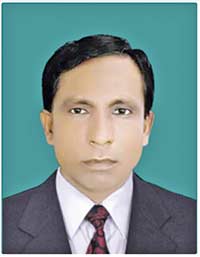
The writer is Vice president, Chandina Press Club
Loading...
Loading...
Also read



Editor : Iqbal Sobhan Chowdhury
Published by the Editor on behalf of the Observer Ltd. from Globe Printers, 24/A, New Eskaton Road, Ramna, Dhaka.
Editorial, News and Commercial Offices : Aziz Bhaban (2nd floor), 93, Motijheel C/A, Dhaka-1000.
Phone: PABX- 41053001-06; Advertisement: 41053012; 01793317829, 01550707291, E-mail: [email protected], [email protected] Online: email: [email protected] 41053014; 01550707297 Advertisement: 01550707296
Published by the Editor on behalf of the Observer Ltd. from Globe Printers, 24/A, New Eskaton Road, Ramna, Dhaka.
Editorial, News and Commercial Offices : Aziz Bhaban (2nd floor), 93, Motijheel C/A, Dhaka-1000.
Phone: PABX- 41053001-06; Advertisement: 41053012; 01793317829, 01550707291, E-mail: [email protected], [email protected] Online: email: [email protected] 41053014; 01550707297 Advertisement: 01550707296


