



| HEADLINE |

|

Responsible Water management important for long-term economic sustainability: Jorge
Published : Sunday, 29 March, 2026 at 5:39 PM
Business Correspondent


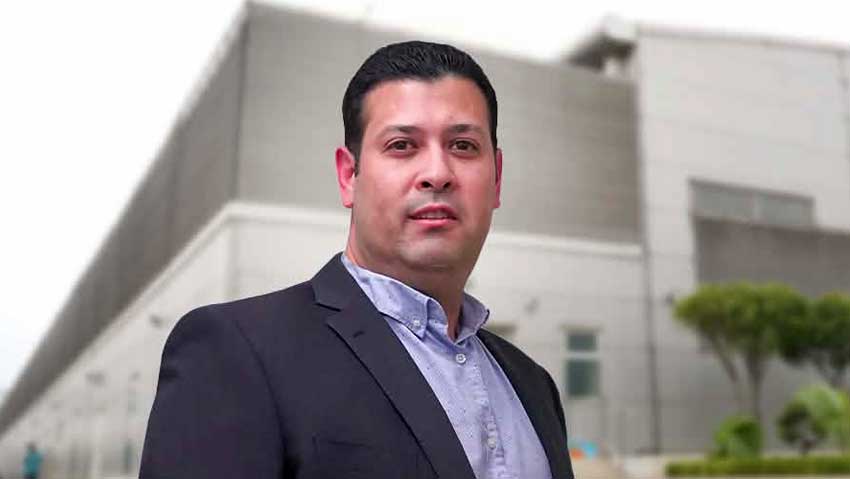
Jorge Macedo, Head of Operations at BAT Bangladesh
As Bangladesh faces mounting water stress driven by rapid urbanisation, agricultural demand and climate change, responsible water management is increasingly becoming a priority for both government and industry.
Jorge Macedo, Head of Operations at BAT Bangladesh, oversees the company’s manufacturing and supply chain functions. With more than two decades of experience.
Working with BAT in Mexico, America and Europe, he discusses with the Daily Observer BAT Bangladesh’s approach to water stewardship, climate-smart agriculture and sustainable industrial operations.
Following is the excerpt of his exclusive interview with the Daily Observer:
DO: Bangladesh is facing increasing water stress, with groundwater depletion and climate-related variability. From an industrial perspective, how important is responsible water management for long-term economic and operational resilience?
Jorge: In Bangladesh, water is a critical resource for communities, agriculture and industry. Responsible water management is therefore essential for both operational continuity and long-term economic sustainability. Groundwater levels are declining in many areas, while climate change is increasing seasonal variability.
Water stewardship is not simply about regulatory compliance it is a strategic focus. BAT Bangladesh has invested in condensate recovery systems, sewage treatment plants and effluent treatment plants to improve water efficiency. As a result, we have been able to keep water withdrawal under control, with total water withdrawn in 2025 about 14.5% lower than in 2023, demonstrating continued progress even during a complex year of consolidation.
These efforts are already producing results. Water withdrawal improvements have been realized at our Savar and Kushtia facilities. Currently, approximately 39% of operational water is recycled, exceeding our original targets.
DO: BAT Bangladesh is the first company in the country to achieve Alliance for Water Stewardship (AWS) Core Certification. How has this framework influenced your operations and governance?
Jorge: Achieving the Alliance for Water Stewardship (AWS) Core Certification has been a major milestone for us. Our facilities in Savar, the Green Leaf Threshing Plant in Kushtia, and Manikganj have already received certification. In 2025, all manufacturing sites maintained their AWS certification.
The AWS framework provides a structured approach to responsible water management. It allows us to integrate water efficiency into day-to-day operations, governance systems and community engagement.
More importantly, AWS goes beyond compliance. It encourages continuous improvement by ensuring water withdrawal is minimised, recycling is maximised and local ecosystems are protected.
DO: Agriculture accounts for a large share of freshwater use in Bangladesh. How are climate-smart initiatives helping farmers conserve water and build resilience?
Jorge: Water scarcity is one of the biggest challenges farmers face today. BAT Bangladesh works with more than 35,000 farmers and promotes climate-smart agricultural practices designed to increase productivity while conserving water.
One example is Alternative Furrow Irrigation, which allows farmers to irrigate alternating rows rather than the entire field. This significantly reduces water use while maintaining crop productivity.
DO: BAT Bangladesh’s safe drinking water initiative has supported communities for more than a decade. How do you ensure long-term sustainability of the initiative and its impact on the community?
Jorge: Our flagship safe drinking water initiative, operates around 120 water filtration plants across 25 districts, providing safe drinking water to approximately 300,000 beneficiaries in arsenic- and salinity-affected areas, including regions from Kushtia to Manikganj, and Rangamati to Satkhira.
Community engagement lies at the heart of the initiative. Local residents take an active role in running the filtration plants, supported by continuous guidance from the project team to ensure long-term effectiveness and sustainability.
DO: On World Water Day, what message would you share with policymakers, businesses and communities about addressing water challenges in Bangladesh?
Jorge: World Water Day reminds us that addressing water challenges requires collective action. Policymakers need to establish clear governance frameworks and incentives that encourage sustainable water use. Businesses must adopt efficient water management practices and reduce their environmental impact. Communities also have an important role to play by using water responsibly.
Collaboration across sectors is essential, as addressing these challenges demands a coordinated and collective approach.
Jorge Macedo, Head of Operations at BAT Bangladesh, oversees the company’s manufacturing and supply chain functions. With more than two decades of experience.
Working with BAT in Mexico, America and Europe, he discusses with the Daily Observer BAT Bangladesh’s approach to water stewardship, climate-smart agriculture and sustainable industrial operations.
Following is the excerpt of his exclusive interview with the Daily Observer:
DO: Bangladesh is facing increasing water stress, with groundwater depletion and climate-related variability. From an industrial perspective, how important is responsible water management for long-term economic and operational resilience?
Jorge: In Bangladesh, water is a critical resource for communities, agriculture and industry. Responsible water management is therefore essential for both operational continuity and long-term economic sustainability. Groundwater levels are declining in many areas, while climate change is increasing seasonal variability.
Water stewardship is not simply about regulatory compliance it is a strategic focus. BAT Bangladesh has invested in condensate recovery systems, sewage treatment plants and effluent treatment plants to improve water efficiency. As a result, we have been able to keep water withdrawal under control, with total water withdrawn in 2025 about 14.5% lower than in 2023, demonstrating continued progress even during a complex year of consolidation.
These efforts are already producing results. Water withdrawal improvements have been realized at our Savar and Kushtia facilities. Currently, approximately 39% of operational water is recycled, exceeding our original targets.
DO: BAT Bangladesh is the first company in the country to achieve Alliance for Water Stewardship (AWS) Core Certification. How has this framework influenced your operations and governance?
Jorge: Achieving the Alliance for Water Stewardship (AWS) Core Certification has been a major milestone for us. Our facilities in Savar, the Green Leaf Threshing Plant in Kushtia, and Manikganj have already received certification. In 2025, all manufacturing sites maintained their AWS certification.
The AWS framework provides a structured approach to responsible water management. It allows us to integrate water efficiency into day-to-day operations, governance systems and community engagement.
More importantly, AWS goes beyond compliance. It encourages continuous improvement by ensuring water withdrawal is minimised, recycling is maximised and local ecosystems are protected.
DO: Agriculture accounts for a large share of freshwater use in Bangladesh. How are climate-smart initiatives helping farmers conserve water and build resilience?
Jorge: Water scarcity is one of the biggest challenges farmers face today. BAT Bangladesh works with more than 35,000 farmers and promotes climate-smart agricultural practices designed to increase productivity while conserving water.
One example is Alternative Furrow Irrigation, which allows farmers to irrigate alternating rows rather than the entire field. This significantly reduces water use while maintaining crop productivity.
DO: BAT Bangladesh’s safe drinking water initiative has supported communities for more than a decade. How do you ensure long-term sustainability of the initiative and its impact on the community?
Jorge: Our flagship safe drinking water initiative, operates around 120 water filtration plants across 25 districts, providing safe drinking water to approximately 300,000 beneficiaries in arsenic- and salinity-affected areas, including regions from Kushtia to Manikganj, and Rangamati to Satkhira.
Community engagement lies at the heart of the initiative. Local residents take an active role in running the filtration plants, supported by continuous guidance from the project team to ensure long-term effectiveness and sustainability.
DO: On World Water Day, what message would you share with policymakers, businesses and communities about addressing water challenges in Bangladesh?
Jorge: World Water Day reminds us that addressing water challenges requires collective action. Policymakers need to establish clear governance frameworks and incentives that encourage sustainable water use. Businesses must adopt efficient water management practices and reduce their environmental impact. Communities also have an important role to play by using water responsibly.
Collaboration across sectors is essential, as addressing these challenges demands a coordinated and collective approach.

Loading...
Loading...
Also read








Editor : Iqbal Sobhan Chowdhury
Published by the Editor on behalf of the Observer Ltd. from Globe Printers, 24/A, New Eskaton Road, Ramna, Dhaka.
Editorial, News and Commercial Offices : Aziz Bhaban (2nd floor), 93, Motijheel C/A, Dhaka-1000.
Phone: PABX- 41053001-06; Advertisement: 41053012; 01793317829, 01550707291, E-mail: [email protected], [email protected] Online: email: [email protected] 41053014; 01550707297 Advertisement: 01550707296
Published by the Editor on behalf of the Observer Ltd. from Globe Printers, 24/A, New Eskaton Road, Ramna, Dhaka.
Editorial, News and Commercial Offices : Aziz Bhaban (2nd floor), 93, Motijheel C/A, Dhaka-1000.
Phone: PABX- 41053001-06; Advertisement: 41053012; 01793317829, 01550707291, E-mail: [email protected], [email protected] Online: email: [email protected] 41053014; 01550707297 Advertisement: 01550707296


