
Power outages during extreme heat have become a harsh and recurring reality, intensifying the suffering of people across both urban and rural areas. The summer season already brings discomfort through rising temperatures and humidity, but frequent load shedding turns this natural hardship into a severe crisis. Nights without electricity feel especially unbearable, as people struggle to sleep in hot, suffocating conditions with little relief. This ongoing situation not only causes physical discomfort but also disrupts mental well-being, economic productivity, and social stability.
There is a direct and unavoidable relationship between rising temperatures and increasing electricity demand. As heat intensifies, people rely heavily on fans, air conditioners, refrigerators, and other cooling systems to maintain comfort. At the same time, industries require uninterrupted power to sustain production. When demand surpasses supply, load shedding becomes a necessary measure to maintain balance in the power grid. In developing countries like Bangladesh, despite improvements in electricity generation capacity, consistent supply is often hindered by fuel shortages, maintenance challenges, and infrastructural limitations, making power cuts a frequent occurrence.
The impact of load shedding on public life is profound. During extreme heat, the absence of electricity creates unbearable living conditions. Nights are particularly distressing due to hot, humid air, poor ventilation, and increased mosquito activity. Children, elderly individuals, and patients are the most vulnerable. Children may become restless and fall ill due to excessive heat, while elderly people face heightened risks of high blood pressure, heart complications, and breathing difficulties. In urban areas, water supply is often disrupted because pumping systems depend on electricity, and offices experience reduced productivity as employees struggle to work efficiently.
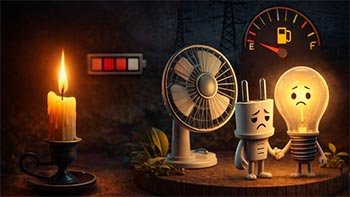
The health risks associated with load shedding during extreme heat are significant and often underestimated. Excessive heat can lead to dehydration, heatstroke, dizziness, nausea, and extreme fatigue. Children are particularly susceptible to rapid dehydration, while elderly individuals struggle due to reduced ability to regulate body temperature. Patients with heart or respiratory conditions may face life-threatening complications. Although hospitals often rely on generators, these are not always sufficient or reliable for extended outages, potentially disrupting critical medical services and putting lives at risk.
Urban life, which heavily depends on electricity, becomes particularly strained during power outages. Essential services such as elevators, internet access, mobile charging, and security systems all rely on uninterrupted power. Load shedding disrupts online education, business meetings, and communication, while also compromising safety due to inactive surveillance systems and poor lighting conditions. As a result, daily life in cities comes to a near standstill during prolonged outages.
Several underlying factors contribute to the persistence of load shedding. These include insufficient electricity generation, shortages of fuel such as gas and oil, outdated and inefficient infrastructure, and unplanned or excessive electricity consumption. Additionally, electricity theft and wastage further strain the system. Addressing these issues requires comprehensive and long-term strategies rather than temporary solutions.
To mitigate this crisis, coordinated efforts are needed at individual, social, and governmental levels. At the individual level, people must adopt energy-saving habits such as turning off unnecessary appliances, using energy-efficient devices, and maximizing the use of natural daylight. Socially, awareness campaigns and educational initiatives can encourage responsible electricity usage and reduce wastage. Communities can play an active role in promoting sustainable practices.
At the governmental level, increasing electricity production and investing in infrastructure modernization are essential. Diversifying energy sources is also crucial, with a strong focus on renewable energy such as solar, wind, and hydroelectric power. In particular, solar energy offers great potential, especially in rural areas where it can reduce dependence on the national grid. Expanding renewable energy initiatives can help ensure a more stable and sustainable power supply in the future.
Ultimately, awareness is the first step toward meaningful change. Solving the problem of load shedding is not solely the responsibility of the government; it requires collective effort and accountability. By adopting energy-efficient practices and supporting sustainable solutions, society can gradually reduce the burden on the power system.
Load shedding during extreme heat is a complex and multifaceted issue that affects every aspect of life, from health and comfort to economic stability. It is not merely a temporary inconvenience but a long-term challenge that demands strategic planning, technological advancement, and collective responsibility. Through cooperation, awareness, and sustainable initiatives, it is possible to build a more reliable power system and reduce the suffering caused by frequent power outages.
The writer is founder, Jatiya Rogi Kaliyan Society





